


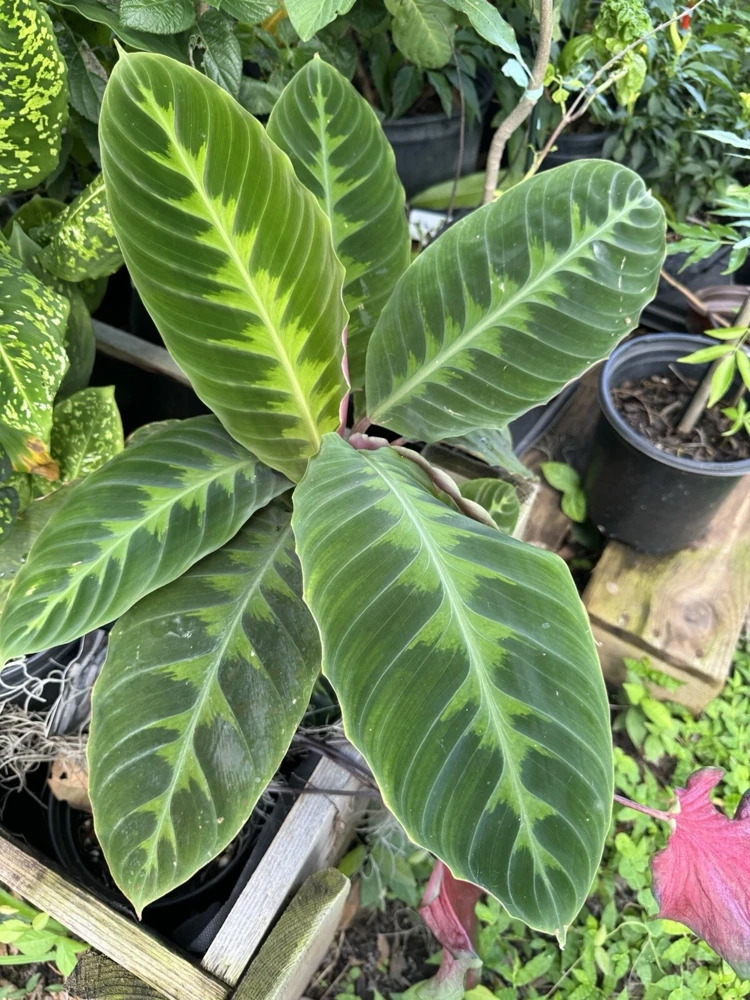
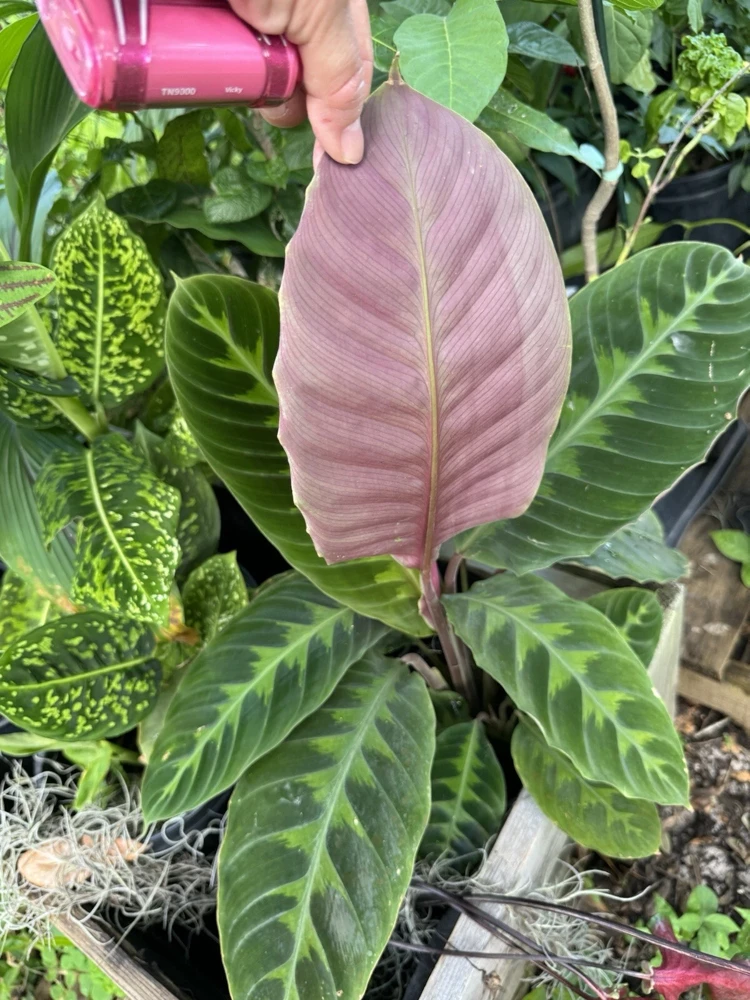
Calathea Zebrina Live Plant – Zebra Prayer Plant – Potted Houseplant – Indoor
Original price was: $50.99.$41.99Current price is: $41.99.
Enhance your indoor space with a stunning calathea zebrina live plant, also known as the zebra prayer plant care. This tropical houseplant features unique, velvety leaves with vibrant green stripes, adding a touch of exotic elegance to any room. Perfect for those seeking a beautiful and engaging indoor plant.
Estimated arrival
Oct 27
Nov 01 - Nov 03
Nov 06 - Nov 10
Shop With Confidence
30-Day Plant Health Guarantee
Arrives damaged? We’ll replace it free — see our return policy.
Responsive Support
Email us anytime, we reply within 1 business day.
Expert Packaging
Temperature-controlled shipping to protect your plants in transit.
Secure Checkout
Pay safely with Visa, Mastercard, PayPal.
Plant Specifications
-
USDA Hardiness Zone
Indoor plant (not applicable for USDA zones) -
Soil Type
Well-draining, peat-based potting mix -
Sunlight Exposure
Bright indirect light -
Expected Planting Period
Year-round indoors
Overview
Transform your living space with the captivating beauty of a calathea zebrina live plant. This stunning tropical houseplant, often referred to as the zebra prayer plant care due to its distinctive leaf patterns, is a true showstopper. Native to the Brazilian rainforests, the Calathea Zebrina (scientific name: Goeppertia zebrina or formerly Calathea zebrina) is celebrated for its incredibly ornate foliage. Each leaf boasts a rich green surface adorned with contrasting dark green stripes, resembling a zebra’s pattern, and a vibrant purple underside. As a member of the ‘prayer plant’ family (Marantaceae), its leaves exhibit nyctinasty, folding upwards at night and unfurling with the morning light, adding a dynamic and engaging element to your indoor garden. This particular specimen is a healthy, established indoor calathea plant, ready to thrive in its new home and provide years of visual delight.
The allure of the calathea zebrina live plant extends beyond its aesthetic charm; it’s a living piece of art that brings a touch of the jungle into your home. Its velvety leaves are not only beautiful but also soft to the touch, making it a favorite among plant enthusiasts. This plant is an excellent choice for anyone looking to add unique texture and color to their plant collection. With proper tropical houseplant care, your Calathea Zebrina will flourish, becoming a focal point in any room. Its striking appearance makes it an ideal gift for plant lovers or a perfect addition to your own botanical haven.
Key Benefits
The calathea zebrina live plant offers a multitude of benefits, making it a highly desirable addition to any indoor plant collection. Its unique characteristics contribute to both aesthetic appeal and environmental well-being:
-
Stunning Visual Appeal: The primary draw of the zebra prayer plant care is its dramatic foliage. The bold, contrasting stripes of dark green on a lighter green background, coupled with a deep purple underside, create a mesmerizing display that instantly elevates any interior decor. It’s a living piece of art that continuously evolves with its daily leaf movements.
-
Air Purification Qualities: Like many houseplants, the Calathea Zebrina contributes to a healthier indoor environment by naturally filtering airborne toxins. It helps to improve air quality, making your living space fresher and more pleasant.
-
Unique Leaf Movement (Nyctinasty): Witness the fascinating ‘prayer’ movement as the leaves fold up at night and spread out again during the day. This natural rhythm is a captivating feature, reminding you of the plant’s tropical origins and adding an interactive element to plant ownership.
-
Non-Toxic to Pets: For homes with curious pets, the Calathea Zebrina is considered non-toxic, providing peace of mind while still offering lush greenery. This makes it a safe choice for families with cats or dogs.
-
Enhances Humidity: As a tropical plant, it naturally releases moisture into the air, subtly contributing to increased humidity levels in its immediate surroundings. This can be beneficial in dry indoor environments.
-
Focal Point for Decor: Its distinctive striped foliage plant pattern ensures it stands out. Whether placed on a desk, shelf, or as a floor plant, it demands attention and acts as a natural centerpiece, enhancing the aesthetic of any room.
-
Therapeutic Presence: Caring for an indoor calathea plant can be a calming and rewarding experience. The vibrant green hues and the act of nurturing a living thing can contribute to reduced stress and overall well-being.
Plant Care & Growing Tips
Caring for your calathea zebrina live plant, while requiring attention, is a rewarding experience that will result in a vibrant and healthy specimen. Originating from the humid undergrowth of rainforests, this plant thrives in conditions that mimic its natural habitat. The key to successful tropical houseplant care for your Calathea Zebrina lies in understanding its specific needs regarding light, water, humidity, and soil. Providing the right environment will ensure its stunning striped foliage plant remains lush and colorful.
Sunlight requirements: The Calathea Zebrina prefers bright, indirect light. Direct sunlight can scorch its delicate leaves, causing them to fade or develop brown spots. A north-facing window or a spot several feet away from an east or west-facing window is ideal. Ensure it receives consistent, diffused light throughout the day. Watering schedule and soil moisture preferences: This plant likes consistently moist, but not soggy, soil. Water thoroughly when the top inch of soil feels dry to the touch. It’s crucial to use filtered, distilled, or rainwater, as Calatheas are sensitive to chemicals like chlorine and fluoride found in tap water, which can lead to brown leaf tips. Never let the plant sit in standing water, as this can cause root rot.
Soil type and drainage requirements: A well-draining, peat-based potting mix is best for your zebra prayer plant care. Look for a mix designed for tropical plants or amend a standard potting mix with perlite or orchid bark to improve drainage and aeration. Temperature range and USDA hardiness zone: Calathea Zebrina thrives in warm temperatures, ideally between 65-80°F (18-27°C). Avoid temperatures below 60°F (15°C) and sudden temperature fluctuations. It is generally grown as an indoor plant and does not have a specific USDA hardiness zone for outdoor cultivation in most regions. Fertilization schedule and type: Feed your indoor calathea plant every 2-4 weeks during the growing season (spring and summer) with a balanced liquid fertilizer diluted to half strength. Reduce feeding in fall and winter when growth slows. Common problems and solutions: Brown leaf tips often indicate low humidity or chemical sensitivity from tap water. Increase humidity with a humidifier or pebble tray and use purified water. Yellowing leaves can signal overwatering, while crispy, curling leaves suggest underwatering or too much direct light. Keep an eye out for common pests like spider mites, which can be treated with neem oil or insecticidal soap.
Size & Details
This calathea zebrina live plant is typically shipped in a nursery pot, ready for you to either keep it in its current container or transplant it into a decorative pot of your choice. While exact dimensions can vary slightly, our plants are carefully selected to be healthy and robust. When mature, a zebra prayer plant care can reach heights of 2-3 feet tall and spread 1-2 feet wide, forming a beautiful, dense clump of foliage. The leaves themselves can grow quite large, often up to 12-18 inches in length, showcasing their intricate striped foliage plant patterns prominently. This particular offering is a young, established plant, meaning it has a strong root system and is well on its way to reaching its full, magnificent potential under proper tropical houseplant care.
The plant will arrive carefully packaged to ensure its safety during transit, minimizing stress. It is a moderate-growth plant, meaning it will gradually increase in size over time, providing continuous beauty without becoming unmanageable too quickly. Expect to see new leaves unfurl regularly during the warmer months, each one a fresh display of its vibrant patterns. This indoor calathea plant is an excellent long-term investment for any plant enthusiast, offering enduring elegance and a captivating presence in your home.
Frequently Asked Questions
-
Q: How big does this Calathea Zebrina plant get? A: A mature calathea zebrina live plant can typically reach a height of 2 to 3 feet and spread about 1 to 2 feet wide, with individual leaves growing up to 18 inches long. Its size makes it a striking floor plant or a large tabletop specimen.
-
Q: What size pot does it come in? A: The plant will arrive in a standard nursery pot, typically between 4 to 6 inches in diameter, suitable for its current size and root system. You can choose to repot it into a slightly larger decorative pot upon arrival if desired.
-
Q: Is this an indoor or outdoor plant? A: The Calathea Zebrina is primarily an indoor calathea plant. It thrives in controlled indoor environments where temperatures and humidity can be maintained. It is not suitable for outdoor planting in most climates due to its tropical nature.
-
Q: How much sunlight does it need? A: This zebra prayer plant care prefers bright, indirect light. Direct sunlight can harm its leaves, causing them to burn or lose their vibrant coloration. Place it in a spot with filtered light, away from direct sun exposure.
-
Q: Is this plant easy to care for? A: Calathea Zebrina is considered moderately challenging. It requires consistent attention to humidity, watering, and light to thrive. It’s best suited for those with some experience in tropical houseplant care or enthusiasts willing to learn its specific needs.
-
Q: Is it good for beginners? A: While not the easiest plant for absolute beginners, a dedicated new plant parent can certainly succeed with the striped foliage plant by carefully following care instructions. Patience and observation are key to understanding its signals.
-
Q: What condition will it arrive in? A: Your plant will arrive healthy and carefully packaged to protect it during transit. We take utmost care to ensure it reaches you in excellent condition, ready to be introduced to its new home.
-
Q: Is it shipped in soil? A: Yes, the calathea zebrina live plant is shipped in its nursery pot with appropriate soil, ensuring minimal shock and a smooth transition to your home.
-
Q: Is this plant pet-safe? A: Yes, the Calathea Zebrina is generally considered non-toxic to cats and dogs, making it a safe choice for households with pets. However, it’s always best to prevent pets from ingesting plant material.
-
Q: What’s the minimum temperature it can tolerate? A: This tropical plant prefers temperatures above 60°F (15°C). It is sensitive to cold drafts and temperatures below this range, which can cause leaf damage and stress to the plant.
Be the first to review “Calathea Zebrina Live Plant – Zebra Prayer Plant – Potted Houseplant – Indoor”
People Also Viewed
Vegetable Seeds
Peperomia Pellucida Seeds – Crab Claw Herb (Rau Cang Cua) – 200+ Count – Vegetable Seeds


Vegetable Seeds
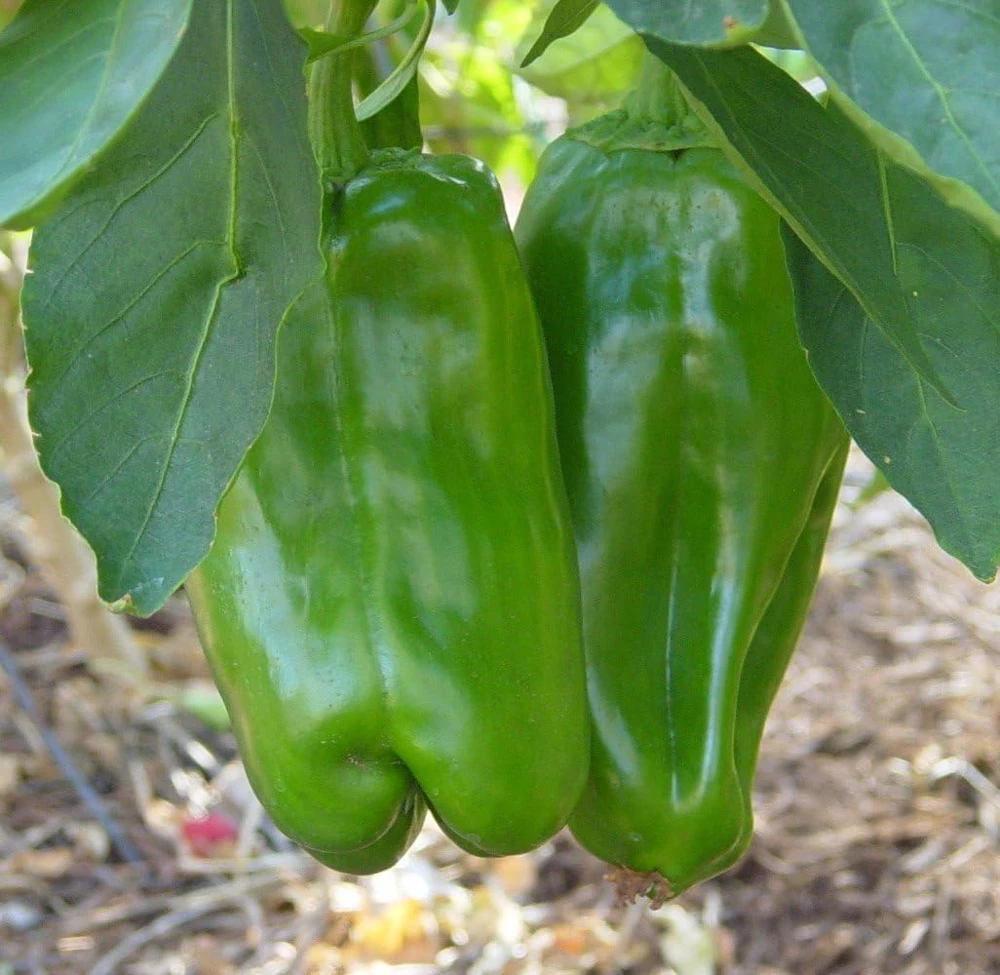
Big Bertha Sweet Pepper Seeds – 10 Count – Giant Bell Peppers



Reviews
There are no reviews yet.