
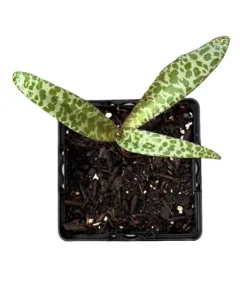
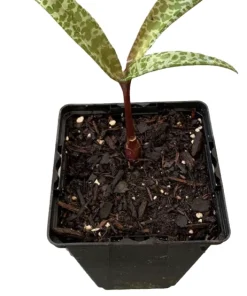
Leopard Lily Live Plant – Tropical Flowering Garden Plant – Potted
Original price was: $41.99.$33.99Current price is: $33.99.
Bring exotic beauty to your garden with the stunning leopard lily live plant. This vibrant tropical flowering plant, also known as the blackberry lily or belamcanda chinensis, features unique spotted blooms and attractive foliage. Perfect for adding a touch of the tropics to your outdoor landscape.
Estimated arrival
Oct 27
Nov 01 - Nov 03
Nov 06 - Nov 10
Shop With Confidence
30-Day Plant Health Guarantee
Arrives damaged? We’ll replace it free — see our return policy.
Responsive Support
Email us anytime, we reply within 1 business day.
Expert Packaging
Temperature-controlled shipping to protect your plants in transit.
Secure Checkout
Pay safely with Visa, Mastercard, PayPal.
Plant Specifications
-
USDA Hardiness Zone
USDA zones 5-10 -
Soil Type
Well-draining soil -
Sunlight Exposure
Full sun to partial shade -
Expected Planting Period
Spring to early summer
Overview
Introduce a touch of exotic elegance to your garden with the captivating leopard lily live plant. Also known as the blackberry lily (Belamcanda chinensis), this unique and striking perennial is celebrated for its vibrant, orange-spotted flowers that resemble a leopard’s coat. A true conversation starter, this tropical flowering plant is a fantastic addition to garden beds, borders, or even patio containers. Each leopard lily live plant arrives healthy and ready to thrive, promising a spectacular display of color from summer into fall. Its distinctive blooms and architectural foliage make it a favorite among gardeners seeking something out of the ordinary. Discover the joy of growing this resilient and beautiful plant that will undoubtedly become a focal point in your outdoor sanctuary.
The leopard lily live plant offers a unique aesthetic that combines the delicate beauty of lilies with the intriguing patterns of exotic wildlife. Its adaptability and low-maintenance nature make it suitable for both experienced gardeners and those just starting their horticultural journey. Bring home this magnificent specimen and enjoy its enduring charm and vibrant presence throughout the growing season.
Key Benefits
The leopard lily live plant offers a multitude of benefits, making it an excellent choice for any garden. Its unique features contribute to both aesthetic appeal and ease of care, ensuring a rewarding gardening experience. You’ll find that caring for your leopard lily live plant is a delightful and straightforward process.
- Stunning Visual Appeal: The most striking feature of the leopard lily live plant is its vibrant orange flowers adorned with dark red spots, creating an exotic, leopard-like pattern. These eye-catching blooms provide a spectacular focal point and bring a unique flair to any garden design.
- Extended Bloom Time: Enjoy a long season of color as the tropical flowering plant typically blooms from mid-summer through early fall. This extended flowering period ensures continuous beauty in your landscape when many other plants are fading.
- Low Maintenance: This hardy perennial is surprisingly easy to care for, making it ideal for busy gardeners. Once established, it requires minimal attention, tolerating a range of conditions and resisting many common pests and diseases.
- Drought Tolerant: The belamcanda chinensis is known for its resilience and ability to withstand periods of drought, making it a sustainable choice for water-wise gardening. This also means less frequent watering is required, saving time and resources.
- Attractive Seed Pods: After the flowers fade, they are replaced by interesting seed pods that split open to reveal shiny, black, berry-like seeds, resembling blackberries. These provide additional ornamental value, especially in the fall and winter months.
- Versatile Landscaping Use: Whether planted in mass, as a specimen plant, in mixed borders, or in containers, the leopard lily live plant adapts well to various garden settings. Its upright growth habit adds vertical interest to your plant arrangements.
- Attracts Pollinators: The bright flowers of the leopard lily live plant attract beneficial pollinators like bees and butterflies to your garden, contributing to a healthy ecosystem.
Plant Care & Growing Tips
Caring for your leopard lily live plant is straightforward, ensuring a beautiful and thriving addition to your garden. This resilient tropical flowering plant adapts well to various conditions, but optimal care will result in the most spectacular blooms. Understanding the specific needs of belamcanda chinensis will help you cultivate a robust and healthy plant for years to come.
Sunlight: The leopard lily live plant thrives in full sun to partial shade. For the most abundant blooms, aim for at least 6 hours of direct sunlight per day. In hotter climates, some afternoon shade can be beneficial to protect the foliage from scorching. Watering: While tolerant of drought once established, young plants and those in their first season will benefit from regular watering. Keep the soil consistently moist but not waterlogged. Once mature, water sparingly, allowing the soil to dry out between waterings. Ensure good drainage to prevent root rot. Soil: This plant prefers well-draining soil. It is not particularly fussy about soil type and can grow in sandy, loamy, or clay soils, as long as drainage is adequate. Amending heavy clay soils with organic matter can improve drainage and aeration. Temperature & Hardiness: The leopard lily live plant is typically hardy in USDA zones 5-10. It can withstand cold temperatures in winter, with its foliage dying back and returning vigorously in spring. In colder zones, a layer of mulch can provide extra protection. Fertilization: Fertilize sparingly. A balanced slow-release fertilizer applied in spring, or a light feeding with a liquid fertilizer every few weeks during the growing season, is sufficient. Avoid over-fertilizing, which can lead to lush foliage but fewer flowers. Common Problems: The blackberry lily is generally pest and disease resistant. Occasionally, leaf spots or rust may appear, especially in humid conditions. Ensure good air circulation and avoid overhead watering to minimize these issues. Slugs and snails might nibble on young foliage, which can be managed with organic baits or by hand-picking.
Size & Details
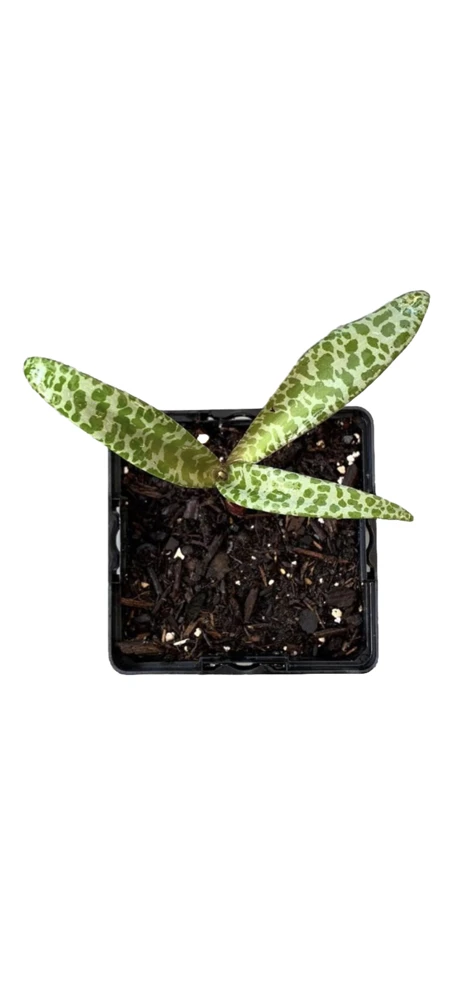
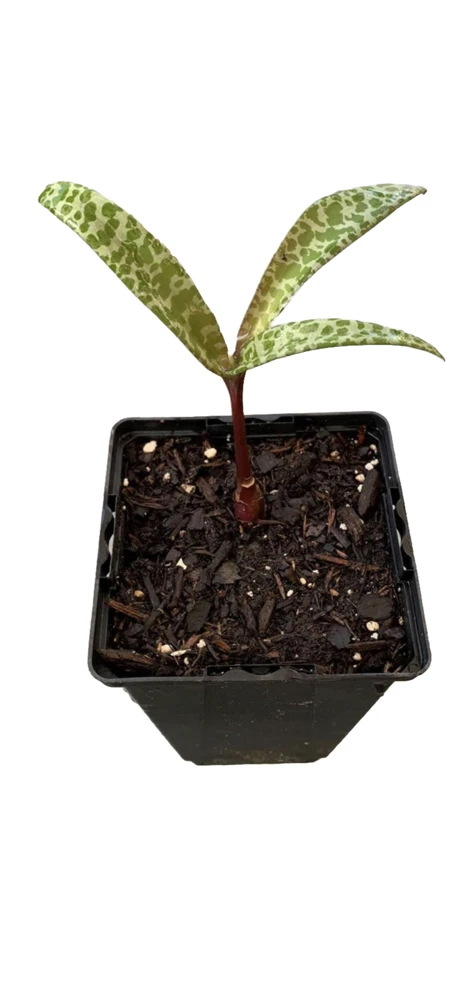
The leopard lily live plant is typically shipped as a healthy, established plant in a nursery pot, ready for transplanting into your garden or a larger container. Upon arrival, the plant will have a robust root system and developing foliage, indicating its readiness to grow. This tropical flowering plant generally reaches a mature height of 2-3 feet (60-90 cm) with a similar spread, forming an attractive clump. Its upright, sword-like leaves provide a strong vertical element in the garden. The plant exhibits a moderate growth rate, establishing itself well within the first year and producing its distinctive blooms from mid-summer onwards. The unique seed pods of the belamcanda chinensis further add to its charm, providing visual interest well into the autumn season. Expect your plant to begin flowering in its first or second season, depending on planting time and growing conditions. The vibrant orange flowers, spotted with dark red, are usually 2-3 inches in diameter.
Frequently Asked Questions
- Q: How big does this plant get? A: The leopard lily live plant typically grows to a height of 2-3 feet (60-90 cm) and spreads similarly, forming an attractive clump. Its upright form makes it a great choice for adding vertical interest to your garden.
- Q: Is this an indoor or outdoor plant? A: The leopard lily live plant is primarily an outdoor plant, thriving in garden beds and borders. While it can be grown in containers, it prefers outdoor conditions where it can receive adequate sunlight and air circulation.
- Q: How much sunlight does it need? A: For the best flowering performance, the leopard lily live plant requires at least 6 hours of direct sunlight per day, preferably full sun. It can tolerate partial shade, especially in hotter climates, but may produce fewer blooms.
- Q: Is this plant easy to care for? A: Yes, the leopard lily live plant is considered easy to care for. It’s a low-maintenance perennial that is drought-tolerant once established and generally resistant to pests and diseases, making it suitable for beginners.
- Q: What condition will it arrive in? A: Your leopard lily live plant will arrive as a healthy, potted specimen with an established root system, carefully packaged to ensure its safe journey. It will be ready for immediate planting in your garden or a larger pot.
- Q: How long until it blooms? A: The leopard lily live plant typically begins blooming in its first or second season after planting, usually from mid-summer through early fall. The exact timing can depend on planting conditions and regional climate.
- Q: Will it survive winter in my zone? A: The leopard lily live plant is hardy in USDA Zones 5-10. In these zones, its foliage will die back in winter, but the plant will return vigorously in spring. In colder zones, mulching can provide extra winter protection.
- Q: What’s the best soil for a leopard lily? A: This tropical flowering plant prefers well-draining soil. It is adaptable to various soil types, including sandy, loamy, or clay, as long as good drainage is provided. Amending heavy soils with organic matter is beneficial.
- Q: Can I grow the blackberry lily in a container? A: Yes, the blackberry lily can be grown in containers, especially if you live in a colder climate and want to move it indoors for winter, or if you have limited garden space. Ensure the container has drainage holes and is sufficiently large.
- Q: Do the seeds of belamcanda chinensis resemble blackberries? A: Yes, after the flowers fade, they are replaced by seed pods that split open to reveal clusters of shiny, black, berry-like seeds, which is why it’s commonly called the blackberry lily.
Be the first to review “Leopard Lily Live Plant – Tropical Flowering Garden Plant – Potted”
People Also Viewed
Houseplants
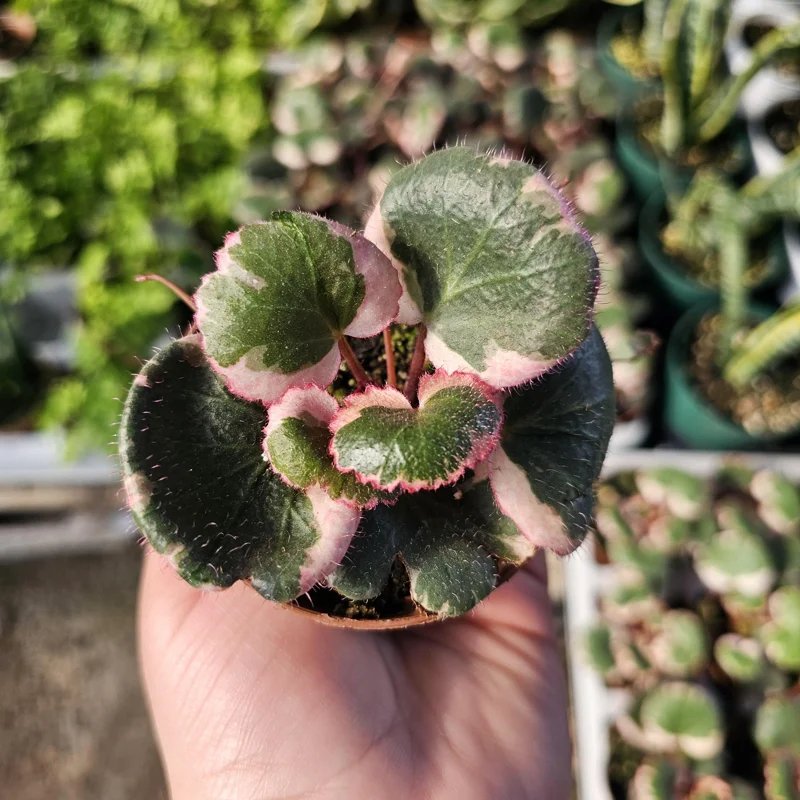
Tricolor Strawberry Geranium Live Plant – Saxifraga Stolonifera – 2in/4in Pot – Indoor/Outdoor
Trees
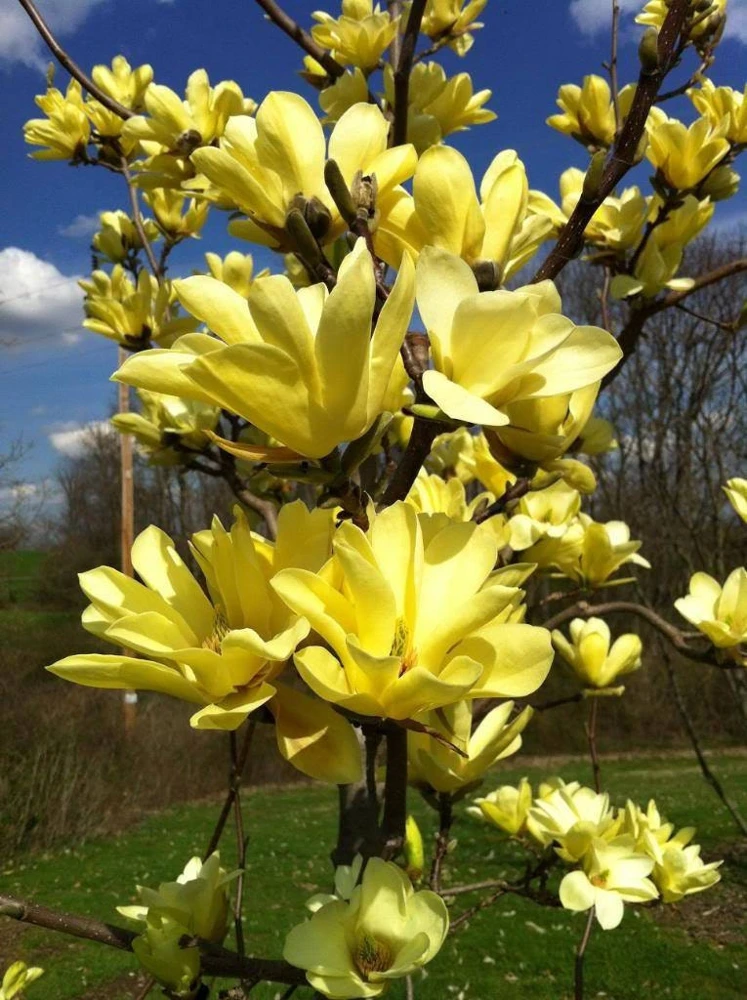
Yellow Bird Magnolia Live Plant 6-12″ Tall – 2.5″ Pot – Full Sun to Partial Shade Outdoor Tree
Reviews
There are no reviews yet.