
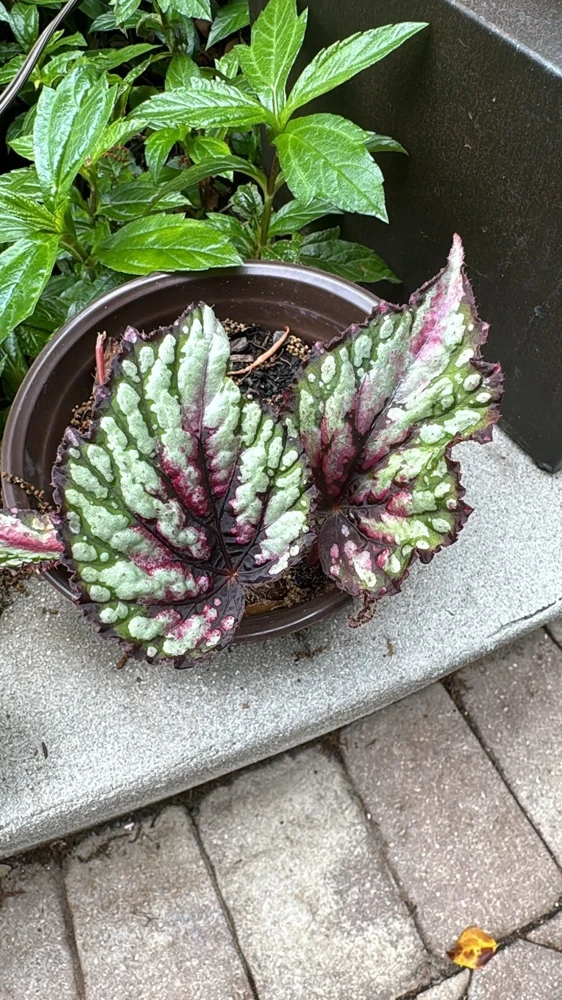
Begonia Live Plant – Flowering & Colorful Foliage Indoor Houseplant
Original price was: $55.99.$45.99Current price is: $45.99.
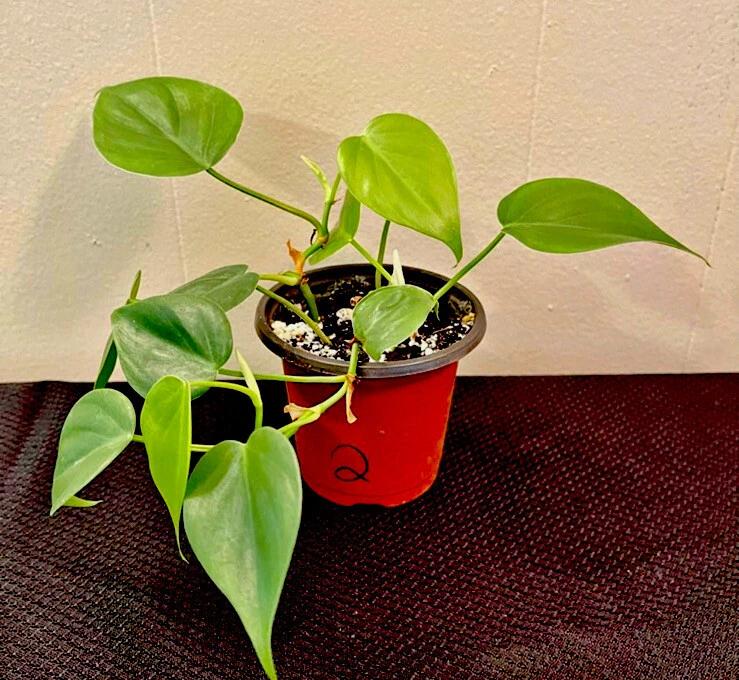
Bring vibrant life indoors with a begonia live plant. This stunning houseplant features both remarkable flowering and brilliantly colored foliage, making it a perfect decorative accent. Ideal for brightening up any room, it’s a popular choice for plant enthusiasts seeking visual appeal and a touch of nature.
Estimated arrival
Oct 27
Nov 01 - Nov 03
Nov 06 - Nov 10
Shop With Confidence
30-Day Plant Health Guarantee
Arrives damaged? We’ll replace it free — see our return policy.
Responsive Support
Email us anytime, we reply within 1 business day.
Expert Packaging
Temperature-controlled shipping to protect your plants in transit.
Secure Checkout
Pay safely with Visa, Mastercard, PayPal.
Plant Specifications
-
USDA Hardiness Zone
year-round indoors -
Soil Type
well-draining, peat-based potting mix -
Sunlight Exposure
bright indirect light -
Expected Planting Period
year-round indoors
Overview
Discover the captivating beauty of the begonia live plant, a delightful addition to any indoor garden. Known for its incredible diversity, Begonias offer a spectacular array of colors and patterns, both in their foliage and their blooms. This particular variety, a gorgeous flowering begonia, promises to transform your living space with its vibrant hues and unique textures. Begonias are cherished by gardeners and plant lovers alike for their ornamental value and relatively straightforward care, making them an excellent choice for both beginners and experienced enthusiasts. Originating from tropical and subtropical regions, these plants thrive in conditions that mimic their natural habitat, bringing a touch of exotic elegance right into your home. Whether you’re looking to add a splash of color to your desk or create a lush indoor display, a begonia houseplant is an exceptional choice that offers continuous visual interest throughout the year.
Key Benefits
A begonia live plant offers numerous advantages, making it a popular and rewarding choice for indoor gardening. Its striking appearance and manageable care requirements contribute to a healthier and more beautiful living environment. The vibrant foliage and delicate flowers provide constant aesthetic appeal, enhancing the ambiance of any room.
- Stunning Visual Appeal: Begonias are renowned for their incredibly diverse and beautiful foliage, which can display a range of colors from deep greens and reds to silvers and purples. Coupled with their charming flowers, they provide year-round decorative interest that is hard to match.
- Air Purifying Qualities: Like many houseplants, Begonias contribute to improved indoor air quality by absorbing common household toxins and releasing fresh oxygen, promoting a healthier living space.
- Versatile Decor: With their varied forms and sizes, Begonias can fit into almost any decor style, from modern minimalist to classic bohemian. They make excellent centerpieces, shelf accents, or additions to a plant collection, ideal for those seeking colorful foliage plants.
- Relatively Easy Care: While they appreciate consistent attention, Begonias are not overly demanding. With the right light and watering schedule, they can thrive and reward you with continuous beauty, making indoor begonia care a manageable task.
- Compact Growth Habit: Many Begonia varieties maintain a compact size, making them perfect for smaller spaces, apartments, or offices where space is at a premium.
- Enhances Mood and Well-being: Surrounding yourself with living plants, especially vibrant ones like a begonia live plant, has been shown to reduce stress, improve concentration, and boost overall mood.
- Unique Leaf Textures: Beyond color, Begonia leaves often feature fascinating textures, from smooth and glossy to velvety and ruffled, adding another dimension of interest to your plant collection.
Plant Care & Growing Tips
Proper care is essential to ensure your begonia live plant flourishes and continues to display its beautiful foliage and flowers. Begonias thrive in conditions that mimic their natural tropical habitat, which generally means warmth, humidity, and consistent moisture. Providing the right environment will lead to a healthy and vibrant plant that can be enjoyed for years. Understanding the nuances of indoor begonia care is key to success.
When it comes to sunlight, Begonias prefer bright, indirect light. Direct sun, especially harsh afternoon sun, can scorch their delicate leaves, leading to discoloration and damage. An east-facing window is often ideal, providing gentle morning sun, or a few feet away from a south or west-facing window. Rotate your plant periodically to ensure even growth. Watering should be consistent but careful; allow the top inch of soil to dry out between waterings. Overwatering is a common problem that can lead to root rot, so ensure your pot has good drainage. Underwatering will cause the leaves to wilt and become crispy. The ideal soil for a begonia houseplant is a well-draining, peat-based potting mix that retains some moisture but doesn’t become waterlogged. A mix formulated for African violets often works well.
Begonias prefer consistent temperatures, typically between 65-75°F (18-24°C), and do not tolerate cold drafts or temperatures below 50°F (10°C). They also appreciate high humidity, which can be provided by placing the pot on a pebble tray with water, using a room humidifier, or grouping plants together. Fertilize your flowering begonia every 2-4 weeks during the growing season (spring and summer) with a balanced liquid fertilizer diluted to half strength. Reduce or stop fertilizing in fall and winter when growth slows. Regular pruning helps maintain a bushy shape and encourages more blooms and vibrant foliage. Watch out for common pests like spider mites and mealybugs; inspect your plant regularly and treat any infestations promptly with insecticidal soap.
Size & Details
This begonia live plant is typically shipped as a young, healthy specimen, ready to establish itself in your home environment. While specific dimensions can vary, most indoor Begonias grow to a manageable size, generally reaching a height of 6-12 inches and a similar spread, making them perfect for tabletops, shelves, or windowsills. The plant comes planted in a nursery pot, ensuring its roots are protected during transit and ready for easy transplanting into your preferred decorative container upon arrival. With proper care, you can expect this plant to establish quickly and begin showcasing its full potential of colorful foliage plants and charming blooms within a few weeks. Its moderate growth rate means it won’t outgrow its space too quickly, offering lasting beauty.
Frequently Asked Questions
- Q: How big does this begonia live plant get? A: Most indoor Begonias, including this variety, typically grow to be about 6-12 inches tall and wide. Their compact size makes them ideal for various indoor settings, from desks to windowsills.
- Q: Is this an indoor or outdoor plant? A: This is primarily an indoor houseplant, though it can be moved outdoors to a shaded, protected spot during warm summer months. It thrives best when grown indoors with controlled conditions, making indoor begonia care straightforward.
- Q: How much sunlight does a begonia houseplant need? A: Begonias prefer bright, indirect sunlight. Direct afternoon sun can scorch their leaves, so a location with filtered light or an east-facing window is often ideal.
- Q: What condition will the begonia live plant arrive in? A: Your begonia live plant will arrive carefully packaged in its nursery pot, ensuring its roots are protected. It will be a healthy, young plant ready to be acclimated to its new home.
- Q: Is this flowering begonia easy to care for? A: Yes, Begonias are considered relatively easy to care for, especially for those with some experience with houseplants. Consistent watering and bright, indirect light are the main requirements for a thriving plant.
- Q: When is the best time to plant or repot this begonia? A: You can plant or repot your begonia at any time of year when growing indoors. However, spring is often preferred as the plant is entering its active growing season, which aids in quicker establishment.
- Q: What’s the minimum temperature this begonia houseplant can tolerate? A: Begonias are sensitive to cold and generally prefer temperatures above 60°F (15°C). They should be protected from drafts and temperatures below 50°F (10°C) to prevent stress or damage.
- Q: How do I ensure my begonia has vibrant, colorful foliage plants? A: To maintain vibrant colorful foliage plants and abundant blooms, ensure your begonia receives adequate indirect light, consistent humidity, and is fertilized regularly during the growing season. Proper indoor begonia care is crucial.
- Q: Does this begonia have flowers or is it just foliage? A: This particular variety is a flowering begonia, meaning it will produce attractive blooms in addition to its stunning foliage, offering dual ornamental appeal.
- Q: How often should I water my begonia? A: Water your begonia when the top inch of soil feels dry to the touch. This typically translates to once or twice a week, depending on environmental factors like humidity and temperature. Avoid letting the plant sit in standing water.
Be the first to review “Begonia Live Plant – Flowering & Colorful Foliage Indoor Houseplant”
People Also Viewed

Reviews
There are no reviews yet.