
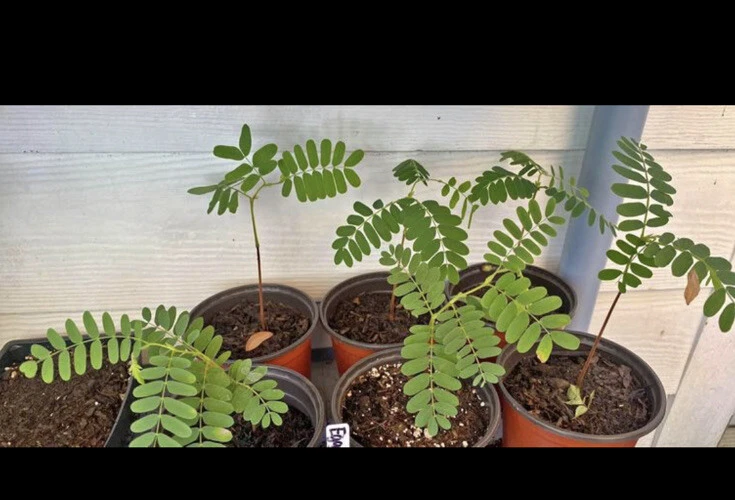
Organic Tamarind Tree Live Plant – Tamarindus indica Tropical Fruit Tree
Original price was: $65.99.$53.99Current price is: $53.99.
Bring the exotic taste of the tropics to your home with an organic tamarind tree live plant. This beautiful Tamarindus indica tropical fruit tree is perfect for adding unique flavor to your dishes and a lush, green accent to your garden or patio.
Estimated arrival
Oct 27
Nov 01 - Nov 03
Nov 06 - Nov 10
Shop With Confidence
30-Day Plant Health Guarantee
Arrives damaged? We’ll replace it free — see our return policy.
Responsive Support
Email us anytime, we reply within 1 business day.
Expert Packaging
Temperature-controlled shipping to protect your plants in transit.
Secure Checkout
Pay safely with Visa, Mastercard, PayPal.
Plant Specifications
-
USDA Hardiness Zone
USDA zones 9-11, or indoors -
Soil Type
Well-draining soil, sandy loam -
Sunlight Exposure
Full sun (6-8+ hours direct light) -
Expected Planting Period
Year-round indoors; spring to early summer outdoors (in suitable zones)
Overview
Discover the joy of growing your own exotic fruit with this premium tamarind tree live plant. Known botanically as Tamarindus indica, the tamarind tree is a stunning tropical specimen cherished for its distinctive sweet and sour pods. This particular plant is organically grown, ensuring you receive a healthy, vibrant addition to your collection that’s free from synthetic pesticides and fertilizers. Whether you’re an avid gardener looking for a unique fruiting tree or a culinary enthusiast eager to harvest fresh tamarind, this organic tamarind tree offers a rewarding experience. It’s a robust and relatively easy-to-care-for plant that, with proper attention, will flourish and eventually produce its coveted fruit, providing both ornamental beauty and delicious bounty.
The tamarind tree originates from tropical Africa and is now cultivated widely in tropical and subtropical regions around the world. It’s a long-lived tree that can grow quite large in its native habitat, but it can also be successfully grown in containers in cooler climates, allowing you to move it indoors during colder months. Its graceful, fern-like foliage provides ample shade and an attractive appearance, making it a wonderful focal point in any garden or patio setting. Embrace the opportunity to cultivate this magnificent tamarindus indica plant and enjoy the rich flavors of fresh, home-grown tamarind.
Key Benefits
Cultivating a tamarind tree live plant offers a multitude of benefits, from its aesthetic appeal to its practical uses in the kitchen. This versatile tropical tree is a fantastic addition to any home garden:
- Exotic Fruit Production: Enjoy harvesting your own fresh tamarind pods, renowned for their tangy and sweet pulp used in a variety of cuisines, including Indian, Thai, and Mexican dishes. There’s nothing quite like the flavor of home-grown ingredients.
- Ornamental Beauty: The tamarind tree boasts delicate, feathery leaves and a spreading canopy, providing elegant shade and a lush, tropical ambiance to your outdoor space or a striking presence as an indoor specimen.
- Culinary Versatility: The fruit pulp from your organic tamarind tree can be used to make sauces, chutneys, drinks, candies, and even medicinal remedies. Its unique flavor profile adds depth to countless recipes.
- Long-Lived & Robust: Tamarind trees are known for their longevity and resilience, making them a lasting investment for your garden. With good care, your tree can provide fruit for many years.
- Air Purification: Like many plants, the tamarind tree contributes to better air quality by absorbing carbon dioxide and releasing oxygen, creating a healthier environment around your home.
- Unique Garden Addition: Stand out from traditional fruit trees with this interesting and less common tropical fruit tree. It’s a conversation starter and a unique plant for any collector.
- Sustainable Living: Growing your own food, especially an organic tamarind tree, reduces your carbon footprint and provides you with fresh, healthy produce right at your fingertips.
Plant Care & Growing Tips
Caring for your tamarind tree live plant requires attention to its tropical origins, but it is generally a forgiving species. For optimal growth and fruit production, understanding its specific needs is crucial. This tropical fruit tree thrives in warm climates, ideally in USDA zones 9-11 if planted directly in the ground. In cooler regions, it can be grown in a large container and moved indoors when temperatures drop, protecting it from frost which can severely damage or kill the plant.
Sunlight requirements: The tamarind tree loves full sun, needing at least 6-8 hours of direct sunlight per day to grow vigorously and produce fruit. If growing indoors, place it near a south-facing window or use supplemental grow lights. Watering schedule: While somewhat drought-tolerant once established, young tamarind trees need consistent moisture. Water thoroughly when the top inch or two of soil feels dry, ensuring good drainage. Avoid overwatering, which can lead to root rot. Soil type and drainage: A well-draining soil mix is paramount. A good quality potting mix amended with sand or perlite works well for container growing. In the ground, ensure the soil is not heavy clay. Fertilization: Feed your tamarindus indica plant with a balanced, slow-release fertilizer during the growing season (spring and summer) to encourage healthy growth and fruiting. Reduce feeding in fall and winter. Pruning: Prune to shape the tree, remove dead or diseased branches, and encourage a strong structure. This also helps manage its size, especially for container-grown plants. With these tips, you’ll be well on your way to a thriving tamarind tree live plant.
Size & Details
This tamarind tree live plant is carefully cultivated to ensure a healthy start in your garden. It is shipped as a young, actively growing plant in a pot, ready for transplanting into a larger container or directly into your garden if your climate permits. The exact size will vary slightly depending on the growth stage, but it typically arrives with established roots and several healthy leaves, generally ranging from 6 to 12 inches in height. Tamarind trees are known for their moderate to fast growth rate under ideal conditions, and while they can reach impressive sizes in their native habitat, they can be maintained at a more manageable size through pruning when grown in containers. Expect your tropical fruit tree to begin producing fruit within 3-7 years, depending on growing conditions and care. It’s an investment that will yield delicious rewards for years to come.
Frequently Asked Questions
- Q: How big does this plant get? A: In its natural tropical habitat, a tamarind tree can grow very large, over 50 feet tall. However, when grown in a container, its size can be managed through pruning, typically staying between 6-15 feet tall, making it suitable for patios or large indoor spaces.
- Q: Is this an indoor or outdoor plant? A: The tamarind tree live plant is a tropical species. It can be grown outdoors year-round in USDA Zones 9-11. In cooler climates, it should be grown in a pot and brought indoors during the colder months to protect it from frost.
- Q: How much sunlight does it need? A: This organic tamarind tree requires full sun, meaning at least 6 to 8 hours of direct sunlight daily, to thrive and produce fruit. Indoors, place it in the brightest possible location.
- Q: Is this plant easy to care for? A: While it has specific tropical needs, the tamarind tree is considered relatively easy to care for once its basic requirements for sun, water, and well-draining soil are met. It’s a good choice for intermediate gardeners.
- Q: What condition will it arrive in? A: Your tamarindus indica plant will arrive as a healthy, live plant in a nursery pot with established roots, carefully packaged to ensure its safe journey to your home. It will be ready for immediate transplanting.
- Q: How long until it blooms and fruits? A: A young tamarind tree live plant grown from seed or a small cutting typically begins to flower and produce fruit within 3 to 7 years, given optimal growing conditions and care.
- Q: Can I use the fruit for cooking? A: Absolutely! The fruit from your tropical fruit tree is perfect for culinary use. The pulp is a key ingredient in many dishes, sauces, drinks, and desserts, offering a distinct sweet and sour flavor.
- Q: What is the best soil for a tamarind tree? A: Tamarind trees prefer well-draining soil. A sandy loam mix or a good quality potting mix amended with perlite or coarse sand to improve drainage is ideal for container growing.
- Q: Will it survive winter in my zone? A: If you are outside of USDA Zones 9-11, your tamarind tree live plant will not survive winter outdoors. It must be brought indoors to a warm, brightly lit location when temperatures drop below 40-50°F (4-10°C).
- Q: Is the tamarind tree drought tolerant? A: Once established, mature tamarind trees show some drought tolerance. However, young trees and those grown in containers will require consistent watering, especially during dry periods, to ensure healthy growth.
Be the first to review “Organic Tamarind Tree Live Plant – Tamarindus indica Tropical Fruit Tree”
People Also Viewed
Succulents
Mother of Thousands Live Plant – Kalanchoe Daigremontiana in 2 Inch Pot, Indoor Succulent
Reviews
There are no reviews yet.