
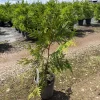
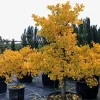
Acer palmatum ‘Wildfire’ Coral Bark Japanese Maple Tree Live Plant #1 Container Size, Zones 6-9
Original price was: $124.49.$82.99Current price is: $82.99.
Bring year-round beauty to your landscape with the wildfire japanese maple, a rare coral bark japanese maple. This live plant in a #1 container offers stunning seasonal foliage and vibrant bark for exceptional winter interest. Perfect for adding a touch of elegance and dramatic color.
Estimated arrival
Oct 25
Oct 30 - Nov 01
Nov 04 - Nov 08
Shop With Confidence
30-Day Plant Health Guarantee
Arrives damaged? We’ll replace it free — see our return policy.
Responsive Support
Email us anytime, we reply within 1 business day.
Expert Packaging
Temperature-controlled shipping to protect your plants in transit.
Secure Checkout
Pay safely with Visa, Mastercard, PayPal.
Plant Specifications
-
USDA Hardiness Zone
6-9 -
Soil Type
Well-draining, slightly acidic to neutral -
Sunlight Exposure
Partial shade to full sun (with afternoon shade in hot climates) -
Expected Planting Period
Early spring to early fall
Overview
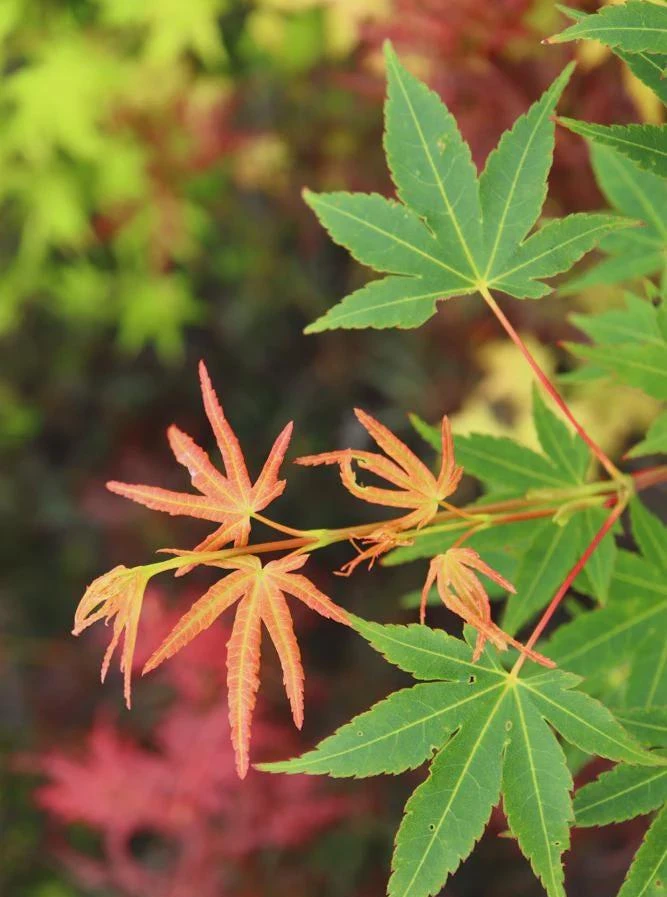
Transform your garden into a dynamic display of color and texture with the wildfire japanese maple, an exquisite live plant that promises year-round visual appeal. This particular variety, known botanically as Acer palmatum ‘Wildfire’, is a highly sought-after coral bark japanese maple, celebrated for its unique bark coloration and graceful form. Aptly named ‘Wildfire’, this tree truly ignites the landscape, providing vibrant seasonal foliage and striking bark tones that add significant interest even during the quietest winter months. It’s an ideal choice for gardeners seeking a distinctive specimen tree that offers a continuous spectacle of nature’s artistry.
The ‘Wildfire’ cultivar is a relatively rare selection, prized for its ability to deliver a consistent show of color from spring through winter. As a live plant, it arrives ready to be planted in your garden, offering an immediate impact. Its adaptability and stunning aesthetic make it a cornerstone for any landscape design focused on continuous beauty. Embrace the allure of this remarkable tree and watch your garden come alive with its fiery charm.
Key Benefits
The wildfire japanese maple offers a multitude of benefits, making it an exceptional addition to any garden or landscape. Its distinctive features contribute to its appeal and value as a premium ornamental tree, ensuring it stands out in every season.
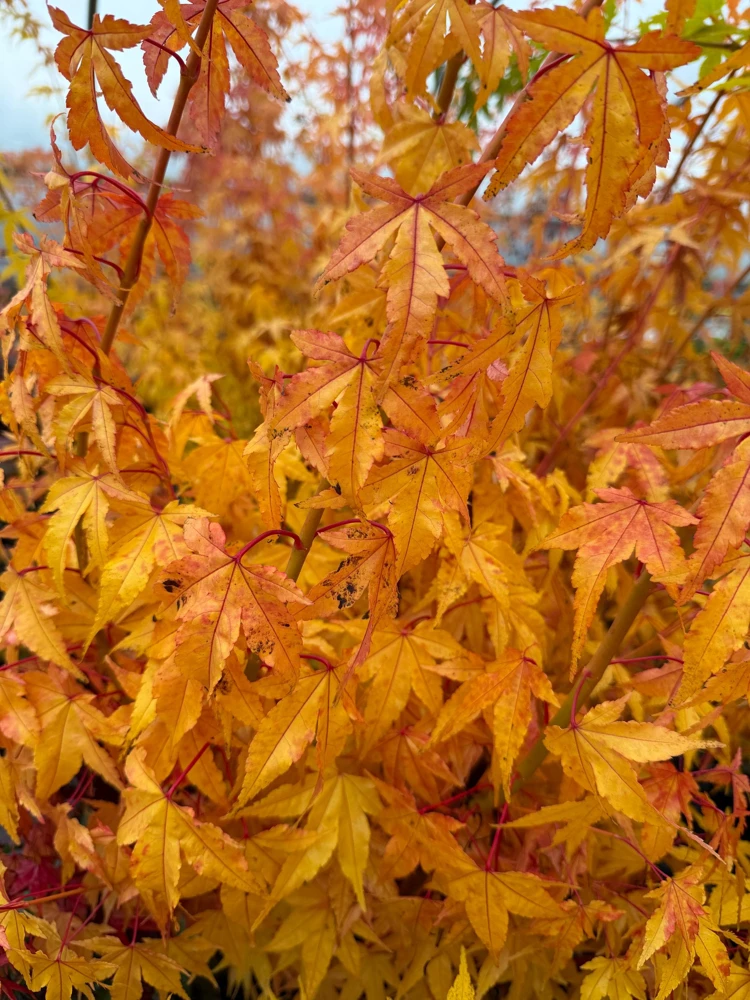
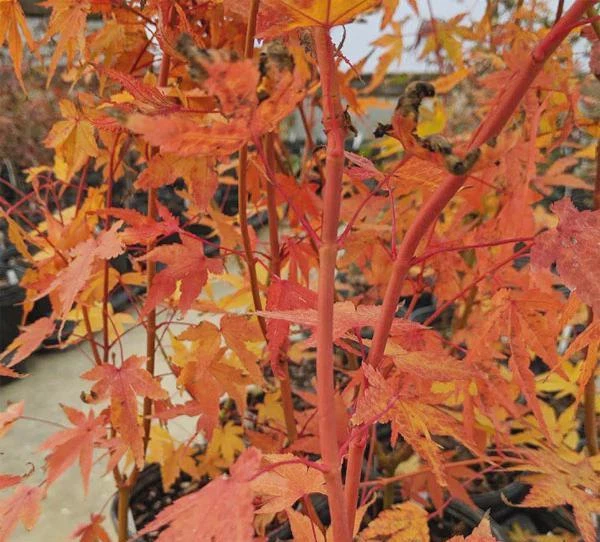
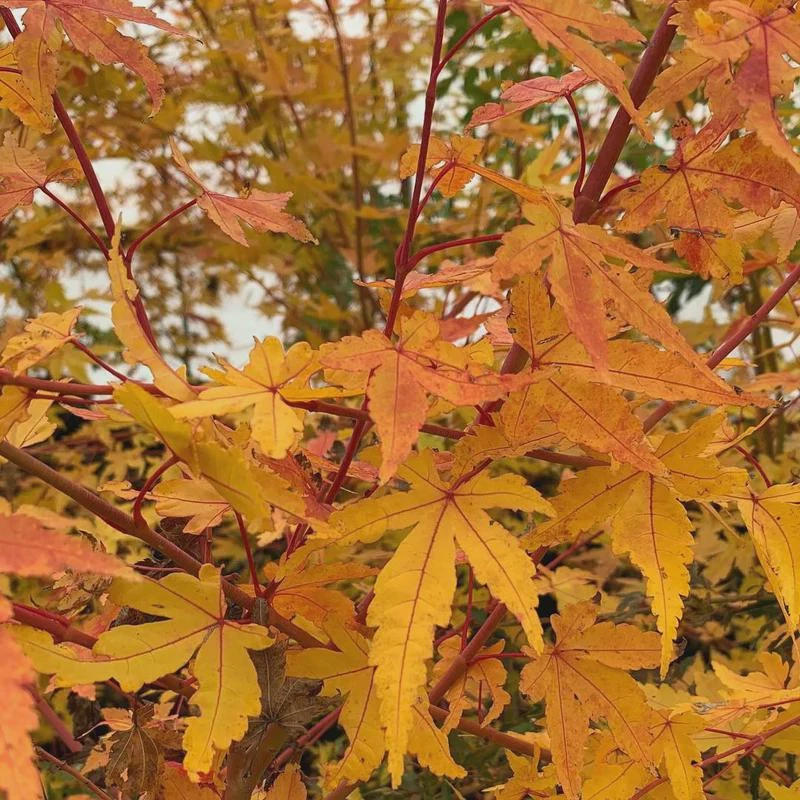
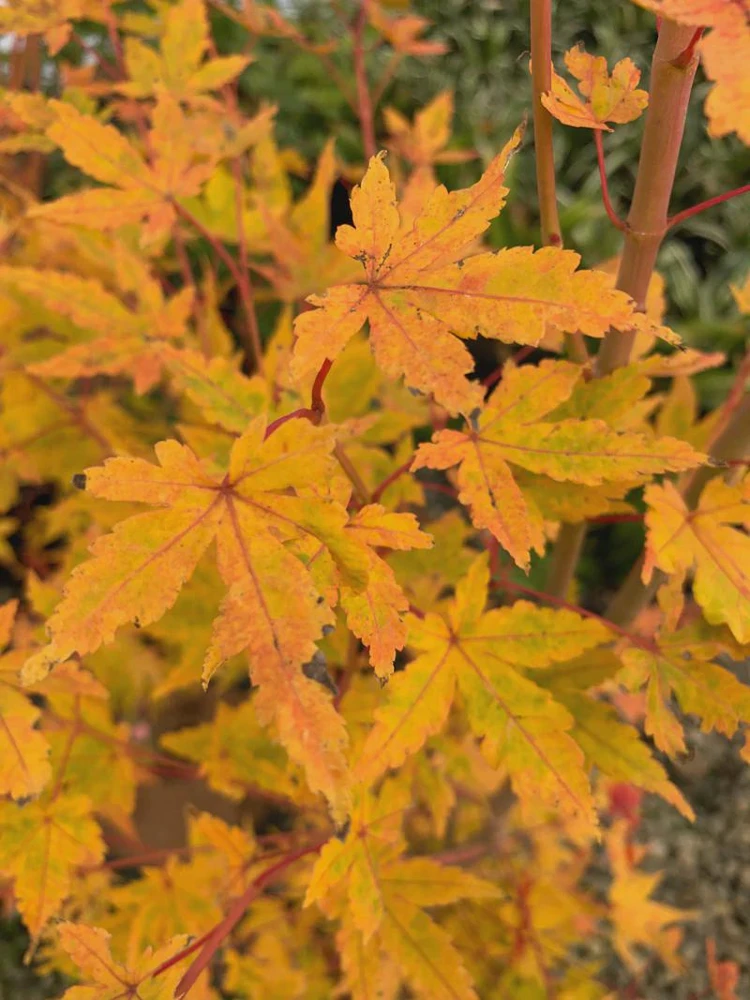
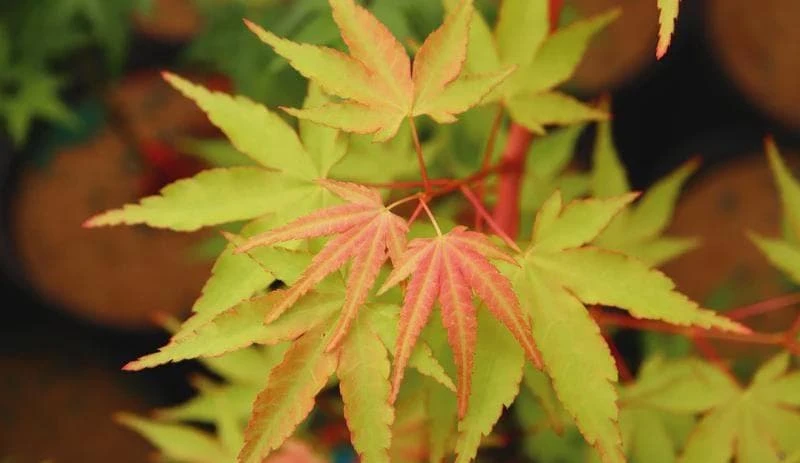
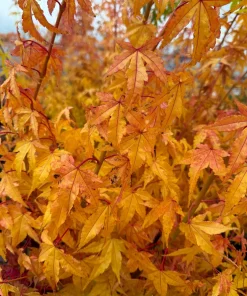
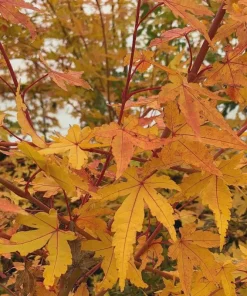
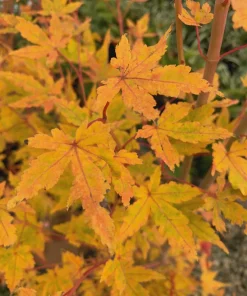
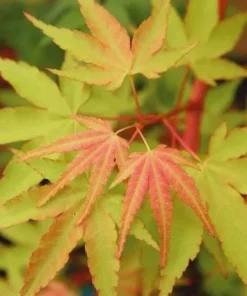
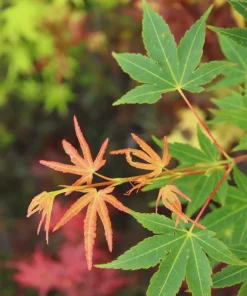
- Spectacular Four-Season Color: Enjoy vibrant chartreuse-green leaves in spring and summer, transitioning to fiery golden yellows and rich oranges in fall. This constant change ensures your garden always has a focal point.
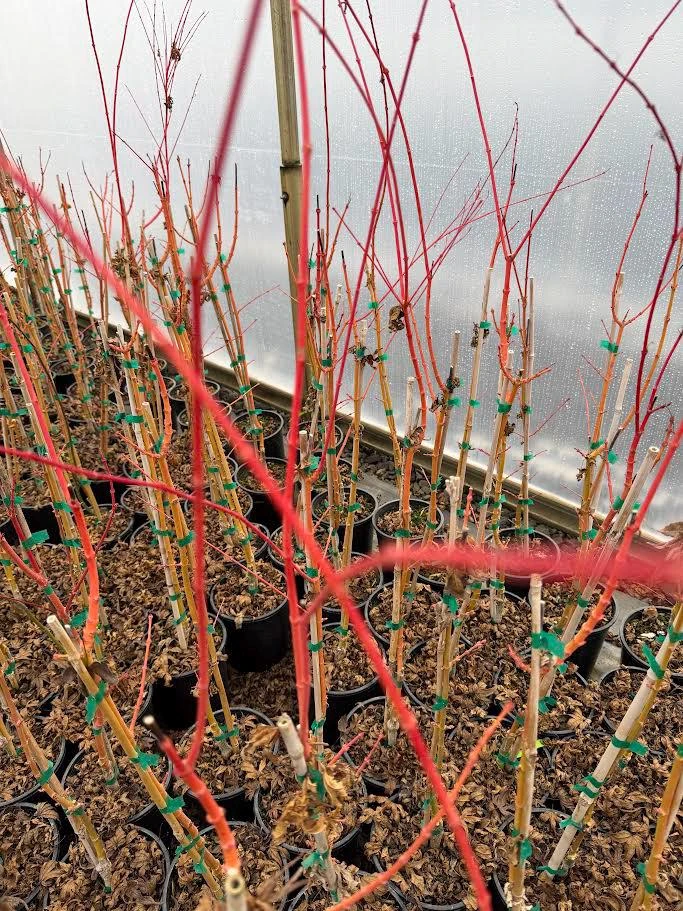
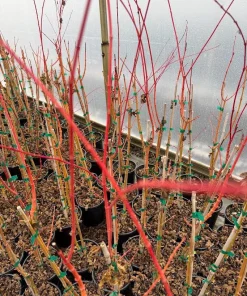
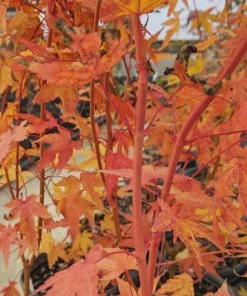
- Exceptional Winter Interest: The ‘Wildfire’ truly shines in colder months. Lower branches display golden yellow to glowing orange hues, while upper branches boast brilliant fiery red tones, creating a stunning flame-like presence. This makes it a perfect Japanese maple winter interest plant.
- Rare & Unique Variety: This coral bark japanese maple is a rare find, offering a unique aesthetic that sets it apart from more common varieties. Its distinctive bark coloration and elegant growth habit make it a collector’s item.
- Compact Growth for Versatility: Projected to reach about 15 feet in 20 years, its moderate size makes it perfect for small gardens, focal plantings, or adding a sophisticated touch to various landscape designs.
- Graceful Form & Texture: The delicate foliage and striking bark create a beautiful textural contrast, providing architectural interest and a sense of tranquility to your outdoor space.
- Pollinator Friendly: While primarily grown for its foliage and bark, the subtle flowers can attract beneficial pollinators to your garden in spring.
- Low Maintenance Elegance: Once established, the wildfire japanese maple is relatively low maintenance, requiring minimal care to thrive and display its magnificent colors.
Plant Care & Growing Tips
Caring for your wildfire japanese maple is straightforward, ensuring it flourishes and provides its beautiful four-season display. Understanding its specific needs will help you cultivate a healthy and vibrant tree. This acer palmatum wildfire thrives in conditions that mimic its native habitat, offering both beauty and resilience.
For sunlight, the ‘Wildfire’ prefers a location with partial shade, especially in hotter climates. While it can tolerate full sun in cooler regions, afternoon shade will protect its delicate leaves from scorching and help maintain vibrant bark colors. Aim for 4-6 hours of morning sun with protection from intense midday and afternoon rays. Well-draining soil is crucial; Japanese maples are sensitive to wet feet. A slightly acidic to neutral soil pH (6.0-7.0) is ideal. Amend heavy clay soils with organic matter like compost or pine bark to improve drainage and aeration. When watering, keep the soil consistently moist but not waterlogged. Deep watering once or twice a week is generally sufficient, adjusting frequency based on weather and soil type. Reduce watering in winter when the tree is dormant.
The ‘Wildfire’ is hardy in USDA Zones 6-9, making it suitable for a wide range of climates. Protect young trees from harsh winter winds, which can cause bark damage. Fertilize sparingly in early spring with a balanced, slow-release granular fertilizer formulated for trees and shrubs. Avoid over-fertilizing, as this can lead to excessive growth at the expense of bark color. Pruning should be done in late fall or early winter when the tree is dormant, or in late summer after the leaves have fully hardened. Focus on removing dead, damaged, or crossing branches to maintain an open structure and enhance the visibility of its stunning bark. Watch for common pests like aphids or scale; treat with horticultural oil or insecticidal soap if necessary. Proper care will ensure your four season Japanese maple remains a stunning centerpiece.
Size & Details
The wildfire japanese maple is a live plant shipped in a #1 container size, providing a well-established root system for successful transplanting. This particular cultivar is a slow to moderately growing tree, projected to reach a mature height of approximately 15 feet over 20 years, with a similar spread. Its graceful, upright form makes it an excellent choice for a variety of landscape applications, from a striking specimen plant to an elegant addition in a mixed border. The tree’s delicate chartreuse-green leaves in spring and summer transition to brilliant golden yellows and rich oranges in the fall, providing a dynamic display of color.
What truly sets the ‘Wildfire’ apart is its exceptional winter interest. As temperatures drop, the bark on its lower branches develops glowing golden yellow to orange tones, while the upper branches ignite with brilliant fiery reds. This creates a breathtaking visual spectacle, ensuring your garden remains vibrant even in the coldest months. This rare new selection is prized for its unique bark coloration and elegant, airy habit, making it a true centerpiece that delights in every season. This Japanese maple winter interest selection is an investment in year-round beauty.
Frequently Asked Questions
- Q: How big does this wildfire japanese maple get? A: The ‘Wildfire’ Japanese Maple is a moderately sized tree, typically reaching about 15 feet in height and spread over approximately 20 years. Its compact nature makes it suitable for various garden sizes.
- Q: What size pot does it come in? A: This live plant is shipped in a #1 container size, ensuring it has a healthy root system ready for planting in your garden or a larger decorative pot.
- Q: Is this an indoor or outdoor plant? A: The wildfire japanese maple is an outdoor plant, best suited for garden landscapes where it can receive the necessary light, temperature fluctuations, and space to grow.
- Q: How much sunlight does it need? A: This tree thrives in partial shade, particularly in hotter climates where afternoon sun can be intense. In cooler regions, it can tolerate more sun, but some afternoon protection is always beneficial.
- Q: Is this plant easy to care for? A: Once established, the ‘Wildfire’ Japanese Maple is relatively low maintenance. It requires consistent moisture, well-draining soil, and protection from extreme conditions.
- Q: What condition will it arrive in? A: Your coral bark japanese maple will arrive as a healthy, live plant in its #1 nursery container, carefully packaged to ensure its safe journey.
- Q: When is the best time to plant a four season Japanese maple? A: The best times to plant are in early spring or early fall, allowing the tree to establish its root system before extreme temperatures set in.
- Q: Will it survive winter in my zone? A: Yes, the ‘Wildfire’ Japanese Maple is hardy in USDA Zones 6-9, meaning it can withstand winter temperatures in these regions. Protection from harsh winds is recommended for young trees.
- Q: What makes this Japanese maple special for winter? A: Its most notable winter feature is its vibrant bark, which transforms to golden yellow, orange, and fiery red tones, providing exceptional color and interest when most other plants are dormant. This is why it’s a popular choice for Japanese maple winter interest.
- Q: What kind of soil does it prefer? A: It prefers well-draining, slightly acidic to neutral soil. Amending heavy soils with organic matter will improve drainage and aeration, which is crucial for its health.
Be the first to review “Acer palmatum ‘Wildfire’ Coral Bark Japanese Maple Tree Live Plant #1 Container Size, Zones 6-9”
People Also Viewed
Vegetable Seeds
City Garden Mix Lettuce Seeds – Pelleted Multi-Seed Variety, 10 Pellets (50-70 Seeds)
Reviews
There are no reviews yet.