
Coral Bark Japanese Maple Tree Live Plant – 1 Gallon Pot – 18-24″ Height
Original price was: $139.49.$92.99Current price is: $92.99.
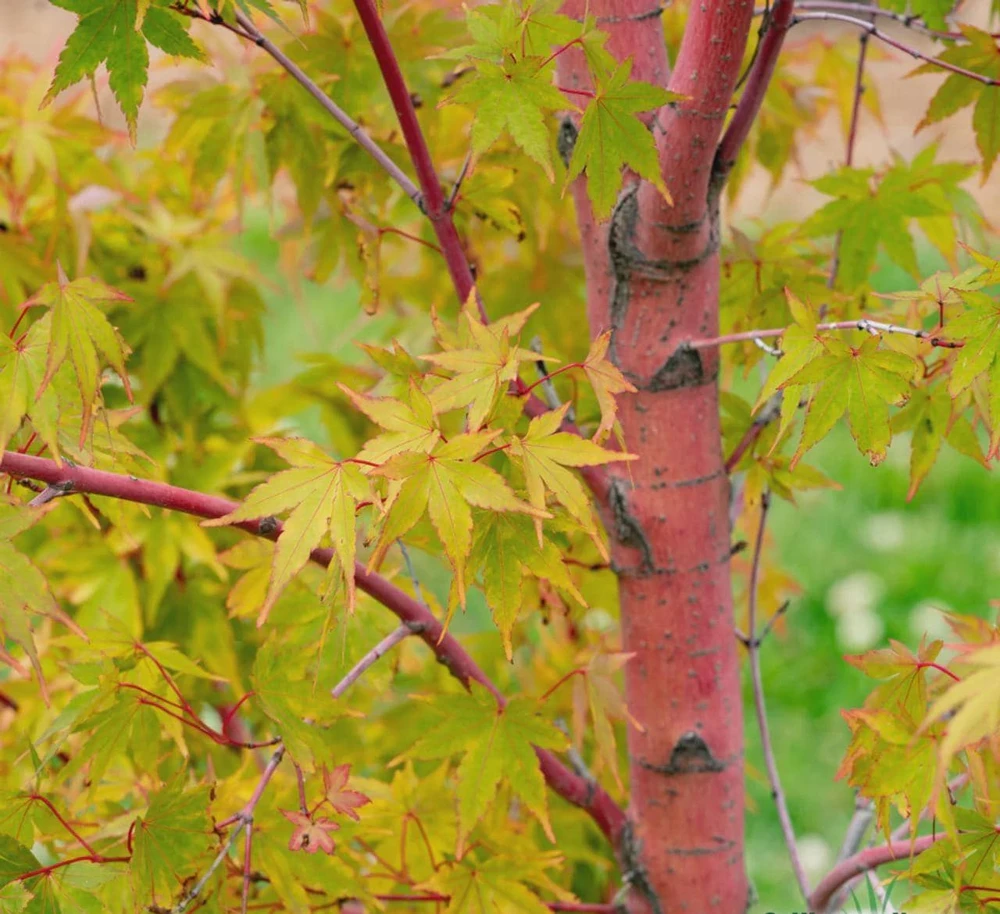
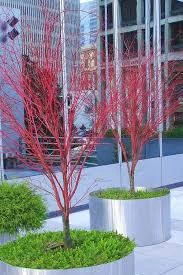
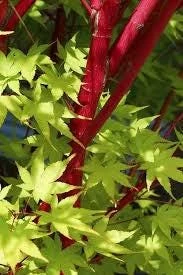
Add a touch of elegance to your landscape with the coral bark japanese maple. This stunning japanese maple tree, also known as Acer palmatum Sango Kaku, offers vibrant coral-red bark, especially striking in winter. Arriving in a 1-gallon pot, it’s ready to thrive outdoors.
Estimated arrival
Oct 25
Oct 30 - Nov 01
Nov 04 - Nov 08
Shop With Confidence
30-Day Plant Health Guarantee
Arrives damaged? We’ll replace it free — see our return policy.
Responsive Support
Email us anytime, we reply within 1 business day.
Expert Packaging
Temperature-controlled shipping to protect your plants in transit.
Secure Checkout
Pay safely with Visa, Mastercard, PayPal.
Plant Specifications
-
USDA Hardiness Zone
USDA Zones 5-8 -
Soil Type
Well-draining, slightly acidic soil -
Sunlight Exposure
Partial shade to full sun (with afternoon shade in hot climates) -
Expected Planting Period
Spring to early fall
Overview
Experience the captivating beauty of the coral bark japanese maple, a truly remarkable live plant that transforms your garden with its distinctive features. Scientifically known as Acer palmatum Sango Kaku, this deciduous tree is celebrated not only for its delicate, deeply lobed green leaves in spring and summer, which turn a brilliant gold in autumn, but most notably for its stunning, coral-red bark that provides unparalleled vibrant winter color. This striking bark is particularly eye-catching against a snowy backdrop or the muted tones of a winter landscape, making it a focal point in any garden. Perfect for adding year-round interest, the coral bark japanese maple is a popular choice among gardeners and landscapers seeking both elegance and enduring appeal.
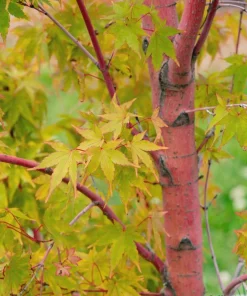
Originating from Japan, the Japanese maple has been cultivated for centuries, and the ‘Sango Kaku’ cultivar stands out for its unique bark. As a young tree, its stems glow with an intense coral-red hue, which gradually deepens with age. This particular specimen is a healthy live plant, ready to be integrated into your outdoor space, whether as a specimen tree, part of a mixed border, or even in a large container.
Key Benefits
The coral bark japanese maple offers a wealth of benefits that make it an exceptional addition to any garden. Its unique characteristics provide aesthetic appeal and year-round interest, establishing it as a garden favorite.
- Exceptional Winter Interest: The most striking feature is its brilliant coral-red bark, which intensifies during the colder months, providing spectacular vibrant winter color when most other plants are dormant. This makes it a true standout in the winter garden landscape.
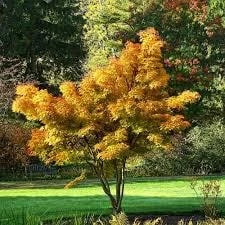
- Stunning Seasonal Foliage: Enjoy delicate, light green leaves in spring and summer that transition to a breathtaking golden-yellow in autumn, offering a multi-season display of color. This adds dynamic beauty to your outdoor space.
- Graceful Form and Texture: This japanese maple tree develops an elegant, upright, and vase-shaped habit with finely textured leaves, contributing a sophisticated and artistic element to your garden design. Its delicate appearance belies its hardiness.
- Versatile Landscaping Plant: Ideal as a specimen tree, in mixed borders, near water features, or even in large containers on patios, thanks to its manageable size and striking appearance. It adapts well to various garden settings.
- Low Maintenance Appeal: Once established, the Acer palmatum Sango Kaku is relatively easy to care for, requiring minimal pruning and general attention, making it suitable for both experienced and novice gardeners. Its resilience is a major advantage.
- Attracts Beneficial Wildlife: While not a primary pollinator, its dense canopy can offer shelter and nesting sites for small birds, contributing to local biodiversity.
- Long-Lived Beauty: With proper care, this red stem maple can live for many decades, becoming a cherished and enduring part of your garden’s legacy.
Plant Care & Growing Tips
Caring for your coral bark japanese maple involves understanding its specific needs to ensure its vibrant health and characteristic beauty. This japanese maple tree thrives in conditions that mimic its natural habitat. For optimal growth and the most intense bark color, choose a location that receives partial shade, especially in hotter climates. Morning sun with afternoon shade is ideal, as too much direct, intense sun can scorch the delicate leaves, particularly in summer. In cooler regions, it can tolerate more sun, but protection from harsh midday rays is always beneficial.
Soil quality is paramount for Acer palmatum Sango Kaku. It prefers well-draining, slightly acidic soil that is rich in organic matter. Avoid heavy clay soils that retain too much moisture, as this can lead to root rot. If your soil is poor, amend it with compost or other organic materials to improve drainage and fertility. Consistent moisture is crucial, especially during its establishment period and dry spells. Water deeply and regularly, allowing the top inch or two of soil to dry out slightly between waterings. Avoid overhead watering to prevent fungal issues. Mulching around the base of the tree with a 2-4 inch layer of organic mulch will help retain soil moisture, regulate soil temperature, and suppress weeds. This red stem maple is generally hardy in USDA Zones 5-8, but young trees may benefit from winter protection in the colder parts of its range.
Fertilization should be done sparingly. A balanced, slow-release fertilizer applied in early spring before new growth emerges is usually sufficient. Over-fertilization can harm the tree. Pruning is best done in late summer or early autumn after the leaves have fully hardened off, or in winter when the tree is dormant. Avoid spring pruning, as Japanese maples are prone to ‘bleeding’ sap heavily at that time. Focus on removing dead, damaged, or crossing branches to maintain its elegant shape and promote good air circulation. Regular inspection for pests and diseases will help catch any issues early. With proper care, your coral bark japanese maple will provide years of stunning beauty and vibrant winter color.
Size & Details
This offering is for one thriving coral bark japanese maple live plant, carefully nurtured and delivered in a 1-gallon nursery pot. At the time of shipment, the tree typically measures between 18-24 inches in height from the base of the pot. While exact growth rates can vary based on environmental conditions and care, this japanese maple tree is known for its moderate growth, generally adding 1-2 feet per year once established. Expect it to reach a mature height of 15-20 feet with a spread of 10-15 feet over many years, forming a beautiful, upright, vase-shaped canopy. The plant is shipped with its roots intact within the nursery container, ensuring a smooth transition to your garden. Its distinctive red stem maple characteristics will become more pronounced as it matures.
Frequently Asked Questions
- Q: How big does this plant get? A: The coral bark japanese maple typically grows to a mature height of 15-20 feet with a spread of 10-15 feet. Its growth rate is moderate, adding 1-2 feet per year once established.
- Q: What size pot does it come in? A: This japanese maple tree is shipped in a 1-gallon nursery pot, and the plant itself measures approximately 18-24 inches in height at the time of delivery.
- Q: Is this an indoor or outdoor plant? A: The coral bark japanese maple is an outdoor tree. It is best suited for planting in your garden or a large outdoor container where it can receive the necessary light and temperature fluctuations for healthy growth and optimal bark color.
- Q: How much sunlight does it need? A: This tree prefers partial shade, especially in warmer climates, where morning sun and afternoon shade are ideal. In cooler regions, it can tolerate more sun, but protection from intense midday sun is always recommended to prevent leaf scorch.
- Q: Is this plant easy to care for? A: Yes, the Acer palmatum Sango Kaku is considered relatively low maintenance once established. It requires consistent watering, well-draining soil, and minimal pruning to thrive. It’s a great choice for both experienced and beginner gardeners.
- Q: What condition will it arrive in? A: Your coral bark japanese maple will arrive as a healthy, live plant, securely packaged in its 1-gallon nursery pot with soil. We take great care to ensure it reaches you in excellent condition, ready for planting.
- Q: When is the best time to plant? A: The ideal time to plant your red stem maple is in spring or early fall. This allows the tree to establish its root system before the stress of summer heat or winter cold.
- Q: Will it survive winter in my zone? A: This coral bark japanese maple is hardy in USDA Zones 5-8. If you are in a colder zone (Zone 5), you may want to provide some winter protection for young trees, such as mulching heavily around the base.
- Q: What makes its bark red? A: The vibrant coral-red bark of the Acer palmatum Sango Kaku is a natural genetic trait that intensifies in color during the colder months, especially after leaf drop, providing stunning vibrant winter color.
- Q: Does it have good fall color? A: Absolutely! While famous for its winter bark, the leaves of the coral bark japanese maple also put on a beautiful display in autumn, turning a brilliant golden-yellow before they drop.
Be the first to review “Coral Bark Japanese Maple Tree Live Plant – 1 Gallon Pot – 18-24″ Height”
People Also Viewed

Reviews
There are no reviews yet.