
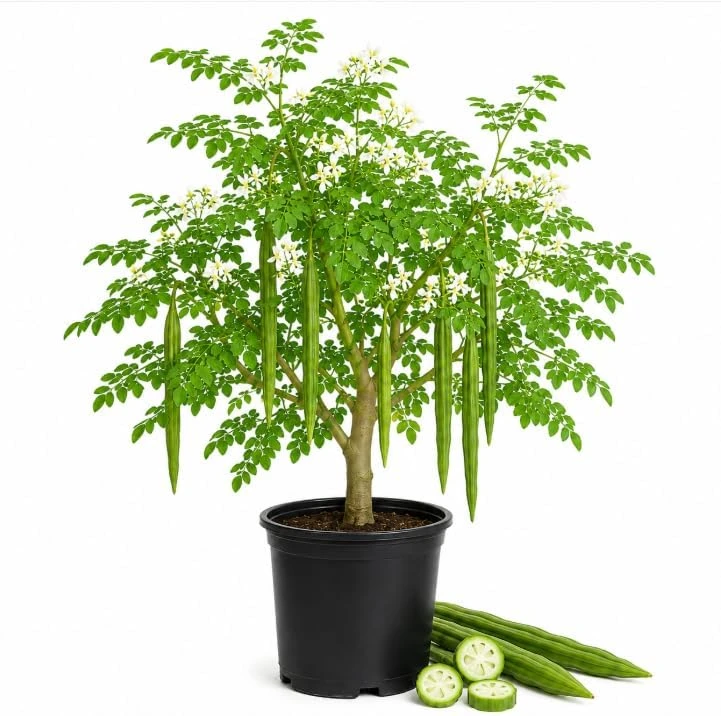
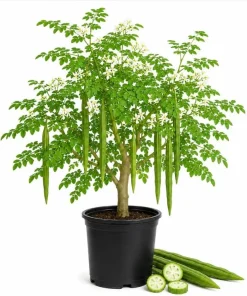
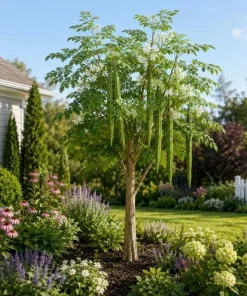
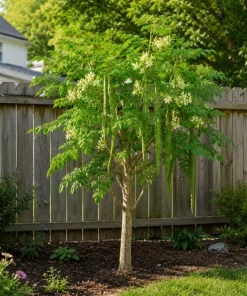
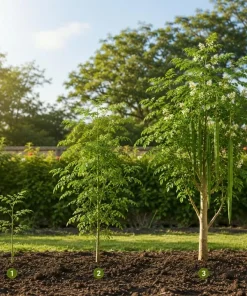
Moringa Tree Live Plant – Oleifera Drumstick Tree – 1 Gallon Pot – 1 to 2 Ft Tall – Outdoor Garden
Original price was: $62.99.$37.99Current price is: $37.99.
Cultivate your own superfood with this vibrant moringa tree live plant. Arriving in a 1-gallon pot and standing 1 to 2 feet tall, this moringa oleifera drumstick tree is ready to thrive in your outdoor garden. Known for its rapid growth and nutritional leaves, it’s an excellent addition for both beauty and wellness.
Estimated arrival
Oct 14
Oct 19 - Oct 21
Oct 24 - Oct 28
Shop With Confidence
30-Day Plant Health Guarantee
Arrives damaged? We’ll replace it free — see our return policy.
Responsive Support
Email us anytime, we reply within 1 business day.
Expert Packaging
Temperature-controlled shipping to protect your plants in transit.
Secure Checkout
Pay safely with Visa, Mastercard, PayPal.
Plant Specifications
-
USDA Hardiness Zone
USDA Zones 9 to 11 -
Soil Type
Well-draining sandy or loamy soil -
Sunlight Exposure
Full sun to partial shade -
Expected Planting Period
Spring to fall (for blooming), year-round warm climates
Overview
Bring the incredible benefits of the ‘Miracle Tree’ to your home with this healthy moringa tree live plant. Scientifically known as Moringa oleifera, this fast-growing and drought-resistant tree is a powerhouse of nutrition and an attractive addition to any garden. Our moringa oleifera drumstick tree arrives well-established in a 1-gallon pot, typically standing between 1 and 2 feet tall, ready for planting in your outdoor space. Originating from India, this versatile plant is celebrated for its edible leaves, pods, and flowers, all packed with vitamins, minerals, and antioxidants. Whether you’re looking to enhance your diet with fresh, nutrient-rich greens or simply wish to add a unique and beneficial tree to your landscape, this moringa tree live plant is an excellent choice.
The Moringa oleifera drumstick tree is often called the ‘Miracle Tree’ due to its remarkable nutritional profile and diverse uses. It’s a robust and adaptable plant, known for its ability to flourish even in challenging conditions. With proper care, your moringa tree will quickly establish itself, providing you with a continuous supply of its valuable leaves. Experience the joy of growing your own superfood and enjoy the fresh, earthy flavor of moringa in your daily meals.
Key Benefits
Adding a moringa tree live plant to your garden offers a multitude of advantages, from its health-boosting properties to its aesthetic appeal. This remarkable tree is not only beautiful but also incredibly functional, providing a sustainable source of nutrition right in your backyard. Discover the many reasons why the moringa oleifera drumstick tree is highly prized:
- Nutrient-Rich Superfood: Moringa leaves are packed with vitamins A, C, E, and K, calcium, potassium, iron, and protein. Incorporating them into your diet can boost overall health and well-being. This makes the moringa tree live plant a valuable asset for any health-conscious gardener.
- Rapid Growth & High Yield: Known for its fast growth rate, the moringa tree can provide abundant harvests of leaves and pods, allowing for continuous enjoyment of its benefits throughout the growing season.
- Medicinal Properties: Traditional medicine systems have long utilized moringa for its anti-inflammatory, antioxidant, and anti-diabetic properties. Growing your own moringa oleifera drumstick tree gives you direct access to these natural remedies.
- Drought Tolerant: Once established, moringa trees are remarkably resilient and can withstand periods of drought, making them a sustainable choice for various climates. This makes grow moringa tree an excellent option for gardeners in drier regions.
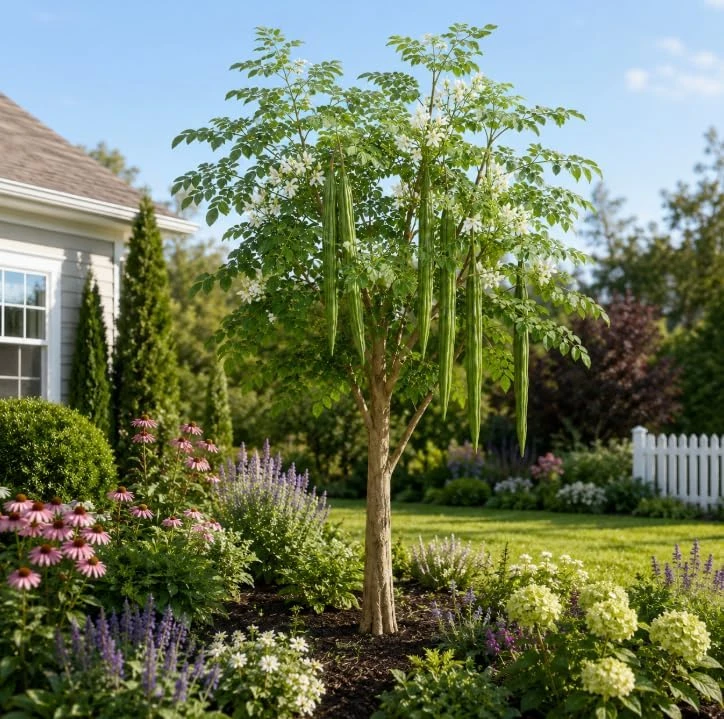
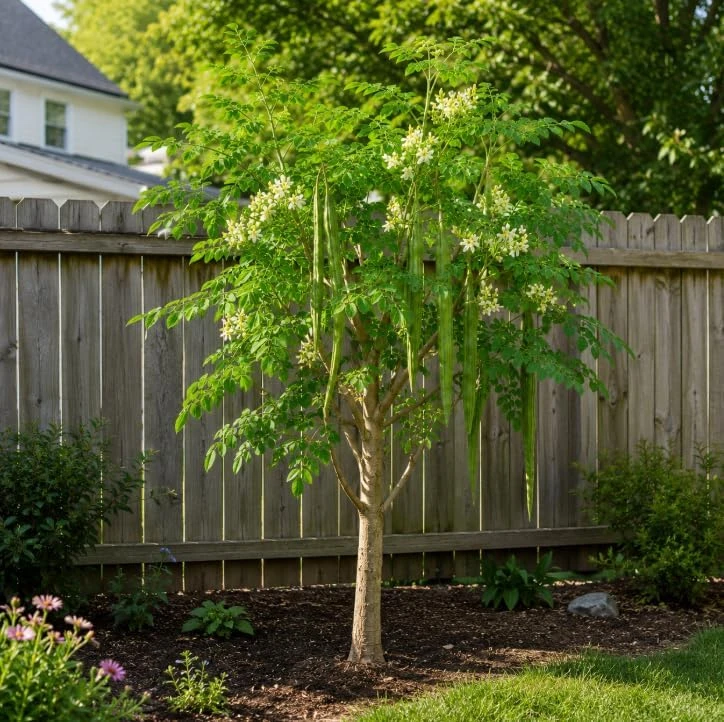
- Beautiful Blooms: The tree produces delicate, fragrant, creamy-white flowers that are not only attractive but also edible, adding another layer of appeal to your garden.
- Easy to Maintain: Despite its exotic origins, the moringa tree is relatively low-maintenance, requiring minimal fuss once planted in the right conditions. Learning about caring for moringa tree is straightforward.
- Versatile Culinary Use: The leaves can be used fresh in salads, smoothies, and stir-fries, or dried and powdered for teas and supplements. The young pods, known as ‘drumsticks,’ are also a popular vegetable in many cuisines.
Plant Care & Growing Tips
Ensuring your moringa tree live plant thrives requires understanding its specific needs for sunlight, water, and soil. This resilient tree is generally easy to care for, making it suitable for both experienced gardeners and those new to growing tropical plants. Proper care will ensure a robust and productive moringa oleifera drumstick tree for years to come.
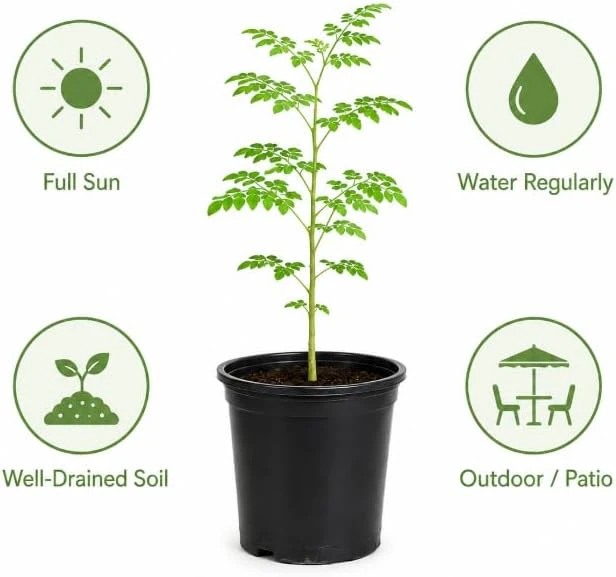
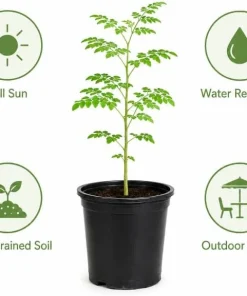
Sunlight Requirements: The moringa tree loves sunlight. It performs best in full sun, meaning at least 6-8 hours of direct sunlight per day. While it can tolerate partial shade, too little sun may result in leggy growth and reduced leaf production. For optimal growth and health, choose a sunny spot in your garden for your moringa tree live plant. When you grow moringa tree, remember that light is key.
Watering Schedule & Soil Moisture: Moringa trees prefer consistent moisture but are highly susceptible to root rot in waterlogged conditions. Water regularly, especially during dry spells and in its first year of establishment. Allow the top inch or two of soil to dry out between waterings. Once established, they become more drought-tolerant. Ensure excellent drainage to prevent standing water around the roots.
Soil Type and Drainage: This tree thrives in well-draining sandy or loamy soil. It is adaptable to various soil types but absolutely requires good drainage. If your soil is heavy clay, amend it with sand, compost, or perlite to improve aeration and drainage. The ideal pH range for moringa is slightly acidic to neutral (6.5-7.0).
Temperature Range and USDA Hardiness Zone: The moringa oleifera drumstick tree prefers warm temperatures, ideally between 77°F (25°C) and 95°F (35°C). It is sensitive to frost and will not survive prolonged freezing temperatures. It is best suited for USDA Zones 9 to 11. In colder climates, it can be grown in a large container and brought indoors during winter, or treated as an annual.
Fertilization: Moringa trees are not heavy feeders but can benefit from a balanced, all-purpose fertilizer during their active growing season (spring and summer). A slow-release granular fertilizer or a liquid feed applied every 4-6 weeks can encourage vigorous growth. Organic matter like compost can also be incorporated into the soil. For more on caring for moringa tree, consider regular feeding.
Pruning: Regular pruning is beneficial for moringa trees, encouraging bushier growth and facilitating easier harvesting of leaves. You can prune your tree to maintain a desired height and shape. Pruning also helps to prevent the tree from becoming too tall and spindly. Understanding moringa plant benefits includes knowing how to prune for maximum yield.
Size & Details
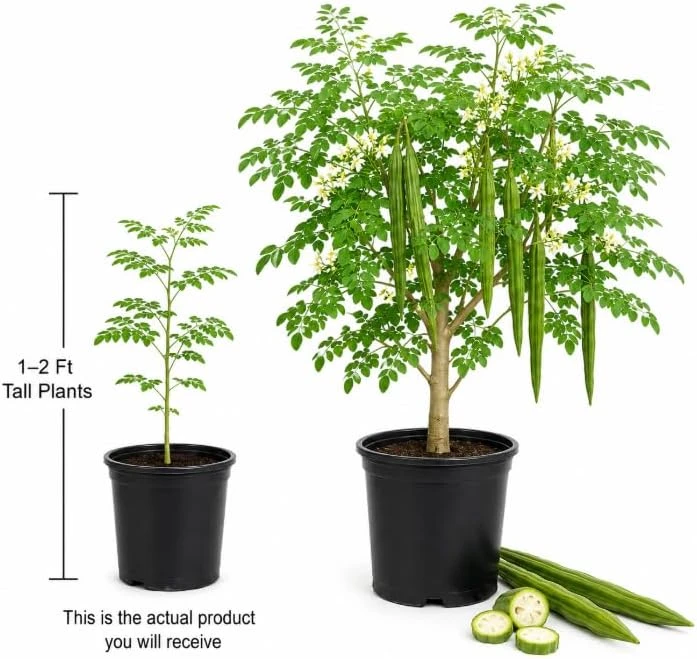
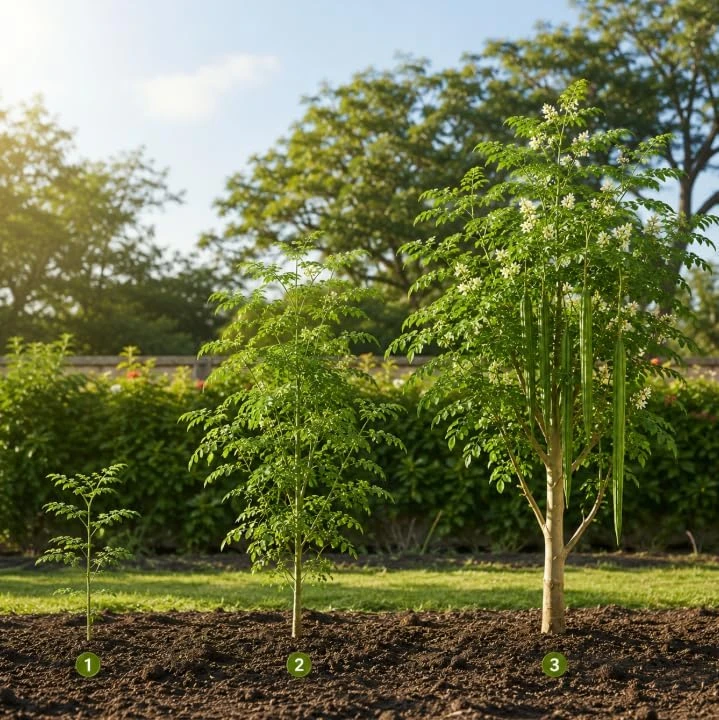
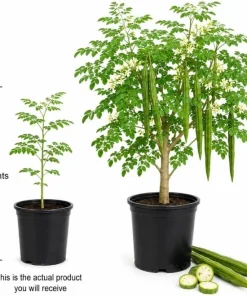
This moringa tree live plant is supplied in a 1-gallon pot, providing a healthy root system ready for transplanting. At the time of shipment, the plant typically stands between 1 to 2 feet tall, offering a substantial start for your garden. Moringa trees are known for their rapid growth rate, often reaching heights of 10-15 feet in just a few years under ideal conditions, though they can be pruned to maintain a smaller, more manageable size. The tree will produce vibrant green foliage and, during its blooming season from spring to fall, will display delicate white flowers. Your plant will arrive carefully packaged to ensure its health and vitality, ready to be planted directly into your garden or a larger container if you are in a colder climate.
Frequently Asked Questions
- Q: How big does this moringa tree get? A: This moringa tree live plant is currently 1 to 2 feet tall in a 1-gallon pot. In optimal conditions, it can grow rapidly to 10-15 feet or more, but it can be pruned to your desired height and shape for easier harvesting.
- Q: Is this an indoor or outdoor plant? A: The moringa oleifera drumstick tree is generally an outdoor plant, thriving in warm climates (USDA Zones 9-11). In colder regions, it can be grown in a large pot and brought indoors during winter, or treated as an annual.
- Q: How much sunlight does a moringa tree need? A: This tree requires at least 6-8 hours of direct sunlight daily to grow vigorously and produce abundant leaves. Full sun exposure is ideal for the best results when you grow moringa tree.
- Q: Is this plant easy to care for? A: Yes, the moringa tree is considered relatively easy to care for. It’s drought-tolerant once established and not overly picky about soil, provided it has good drainage and plenty of sun. Learning about caring for moringa tree is quite simple.
- Q: What condition will it arrive in? A: Your moringa tree live plant will arrive well-rooted in its 1-gallon nursery pot, carefully packaged to minimize stress during transit, ensuring it reaches you in healthy condition.
- Q: Can I use the leaves for cooking? A: Absolutely! The leaves of the moringa oleifera drumstick tree are highly nutritious and can be used fresh in salads, smoothies, and stir-fries, or dried and powdered to add to various dishes and beverages. This is one of the main moringa plant benefits.
- Q: When is the best time to plant my moringa tree? A: The best time to plant your moringa tree outdoors is in spring or early summer, after all danger of frost has passed, allowing it ample time to establish itself before cooler weather returns.
- Q: What are the ideal temperatures for this plant? A: The moringa tree prefers warm temperatures, ideally between 77°F (25°C) and 95°F (35°C). It is sensitive to frost and should be protected from freezing temperatures.
- Q: Can I grow moringa in a pot permanently? A: Yes, you can grow a moringa tree in a large pot permanently, especially if you live outside its recommended hardiness zones. Ensure the pot has good drainage and is large enough to accommodate root growth.
- Q: How often should I water my moringa tree? A: Water regularly, allowing the top inch or two of soil to dry out between waterings. Avoid overwatering, as moringa is susceptible to root rot. Adjust frequency based on climate and soil type.
Be the first to review “Moringa Tree Live Plant – Oleifera Drumstick Tree – 1 Gallon Pot – 1 to 2 Ft Tall – Outdoor Garden”
People Also Viewed
Shrubs
Japanese Spurge – Pachysandra Terminalis Live Plant – Bare Root Groundcover – Outdoor – 0-1ft
Flower Plants
White Fuchsia Live Plant – White & Purple Flowers – 4-6 Inch Tall in 5 Inch Pot – Indoor/Outdoor
Flower Seeds
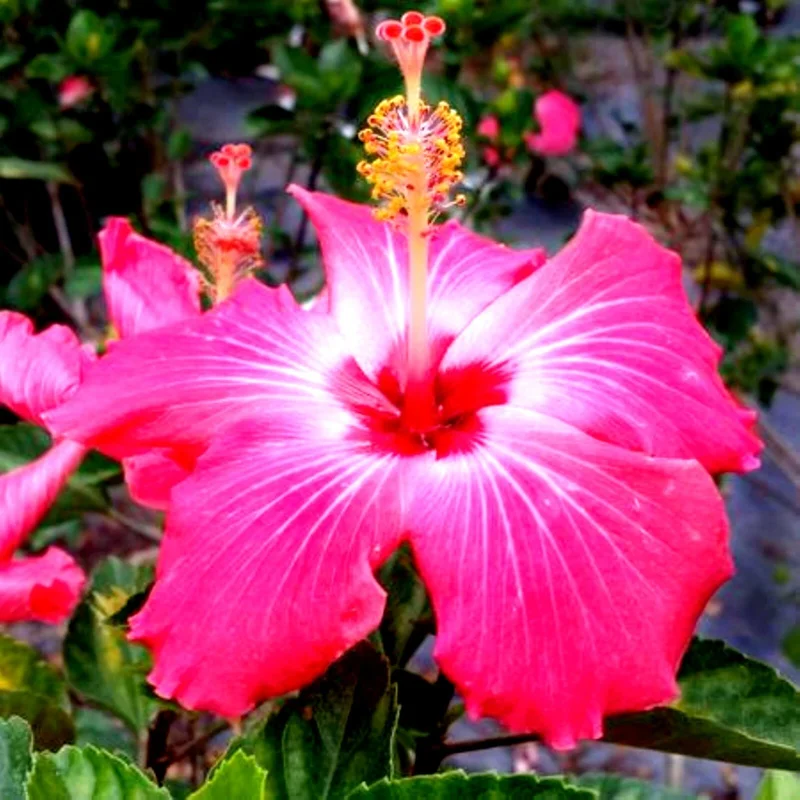
Madagascar Hibiscus Moscheutos Seeds – Rose Of Sharon – 10 Seed Pack – Indoor & Outdoor
Reviews
There are no reviews yet.