
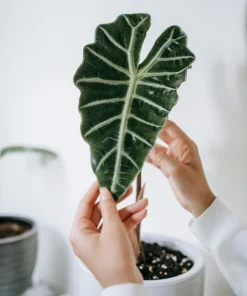
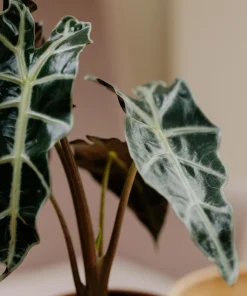
Alocasia Frydek Green Velvet Live Plant – 2 Pack, 5-9 Inches Tall, Indoor Air-Purifying
Original price was: $56.50.$31.50Current price is: $31.50.
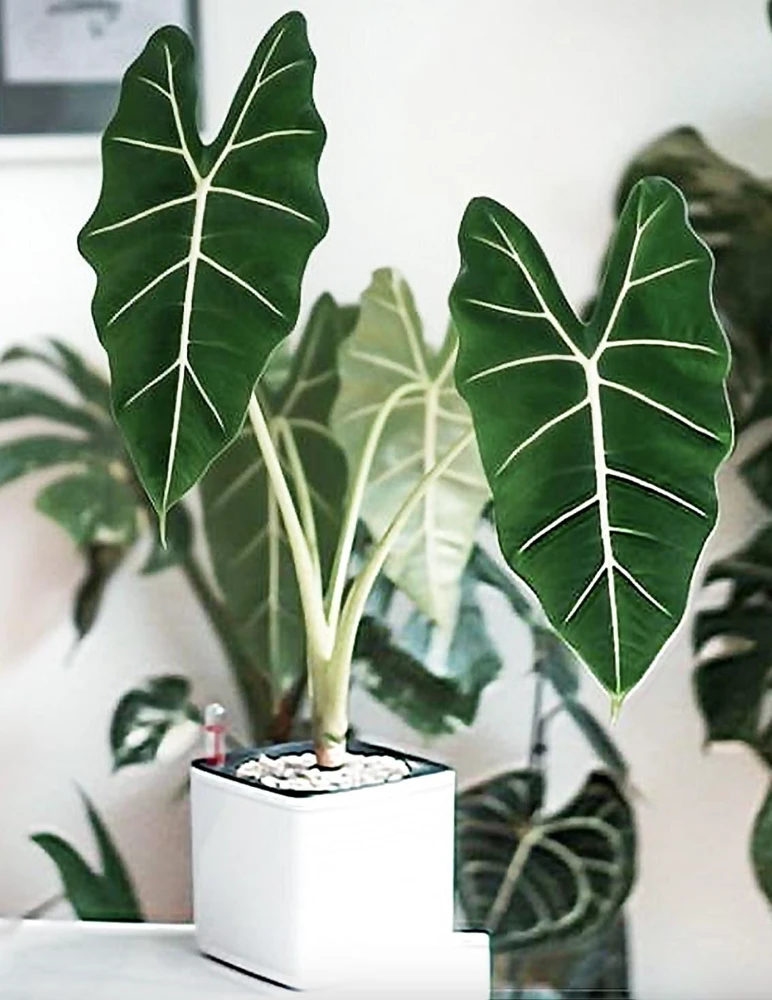
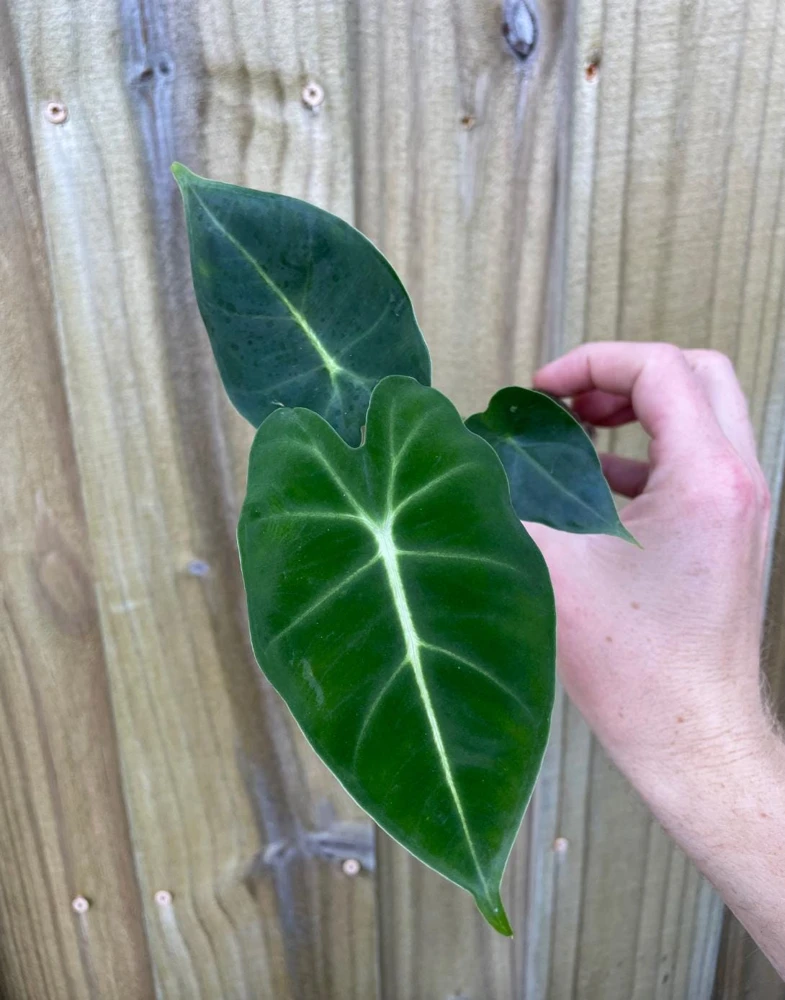
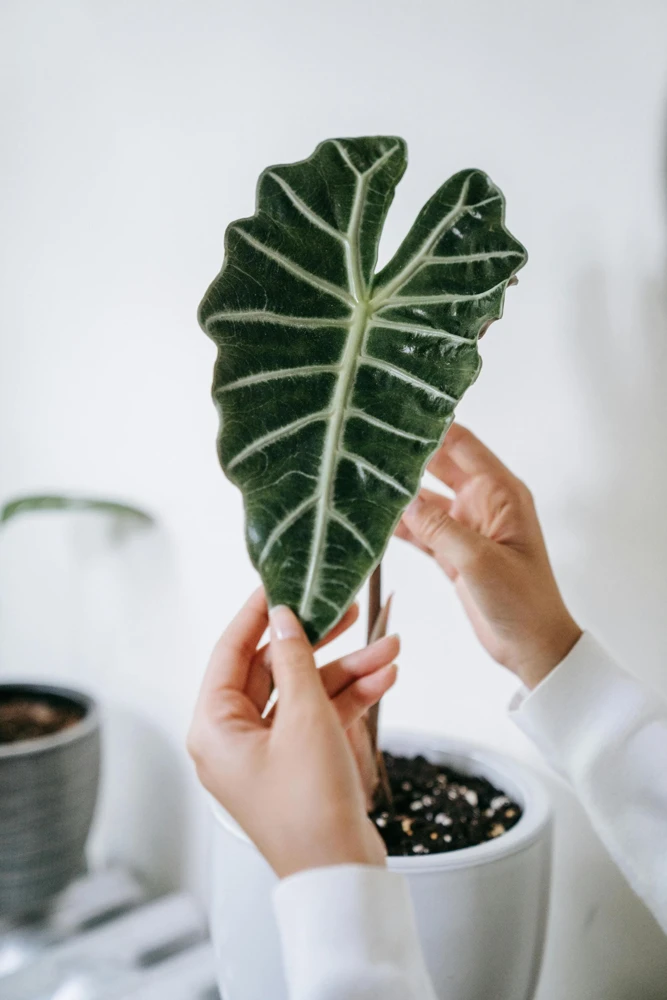
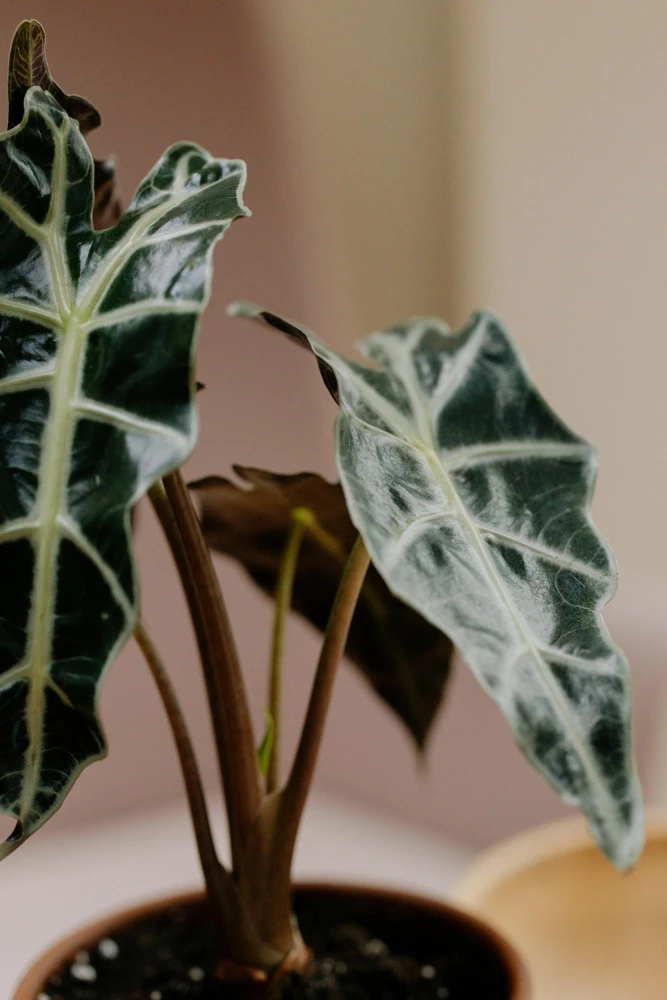
Bring exotic beauty to your home with the Alocasia Frydek live plant. This stunning aroid, also known as green velvet alocasia, features deeply lobed, velvety dark green leaves with striking white veins. Perfect for adding a touch of jungle elegance and known for its air-purifying qualities, it thrives as an indoor houseplant.
Estimated arrival
Oct 25
Oct 30 - Nov 01
Nov 04 - Nov 08
Shop With Confidence
30-Day Plant Health Guarantee
Arrives damaged? We’ll replace it free — see our return policy.
Responsive Support
Email us anytime, we reply within 1 business day.
Expert Packaging
Temperature-controlled shipping to protect your plants in transit.
Secure Checkout
Pay safely with Visa, Mastercard, PayPal.
Plant Specifications
-
USDA Hardiness Zone
USDA zones 10–11 (indoors elsewhere) -
Soil Type
Well-draining, aerated potting mix -
Sunlight Exposure
Bright indirect light -
Expected Planting Period
Year-round indoors
Overview
Transform your living space with the exquisite Alocasia Frydek live plant. This tropical beauty, often referred to as green velvet alocasia or Frydek Elephant Ear, is celebrated for its dramatic foliage and unique texture. Each plant boasts large, arrow-shaped leaves with a luxurious, velvety finish and prominent, contrasting white-to-pale green veins that truly make it a showstopper. Native to the tropical rainforests of the Philippines, this Alocasia variety brings an undeniable sense of exotic elegance to any indoor plant collection. Our offering includes a convenient pack of 2 plants, each standing 5-9 inches tall, ready to thrive and purify the air in your home. The Alocasia Frydek live plant is a fantastic choice for both seasoned plant enthusiasts and those looking to elevate their indoor greenery with something truly special.
The botanical name for this captivating species is Alocasia micholitziana ‘Frydek’. It’s a hybrid known for its compact size compared to other Alocasias, making it an ideal choice for tabletops, shelves, or as a focal point in smaller spaces. Its striking appearance and relatively manageable care requirements contribute to its growing popularity among houseplant lovers. Discover the joy of nurturing this magnificent plant and watch as its vibrant foliage becomes a natural work of art in your home.
Key Benefits
The Alocasia Frydek live plant offers a multitude of benefits that extend beyond its stunning visual appeal, making it a valuable addition to any indoor environment. Its unique characteristics contribute to both aesthetic pleasure and improved indoor air quality.
- Dramatic Visual Appeal: The deeply lobed, velvety dark green leaves with prominent white veins create a striking contrast, making the green velvet alocasia a captivating focal point in any room. Its unique texture adds depth and interest to your plant collection.
- Air Purification: Like many houseplants, the Alocasia Frydek live plant actively works to filter common indoor air pollutants, contributing to a healthier and fresher living environment. It helps remove toxins, improving the overall quality of the air you breathe.
- Compact Growth Habit: Unlike some larger Alocasia varieties, the ‘Frydek’ cultivar maintains a more manageable size, typically reaching 1-2 feet in height. This makes it ideal for smaller spaces, shelves, or desks where larger plants might be overwhelming.
- Tropical Ambiance: Its exotic appearance instantly transports you to a lush rainforest, creating a calming and vibrant atmosphere in your home or office. It adds a touch of the tropics without requiring extensive outdoor space.
- Unique Texture: The velvety texture of the leaves is a rare and delightful feature, inviting touch and adding another sensory dimension to your plant experience. This tactile quality sets it apart from many other houseplants.
- Relatively Easy Care: While it requires consistent attention to its environment, understanding the specific needs of the frydek elephant ear makes it a rewarding plant to care for, even for intermediate plant parents. Proper care leads to vigorous growth and vibrant foliage.
- Conversation Starter: Its distinct and beautiful appearance makes it a natural conversation starter, drawing admiration and curiosity from guests. It’s a plant that truly stands out.
Plant Care & Growing Tips
Caring for your Alocasia Frydek live plant, also known as green velvet alocasia, involves understanding its tropical origins and replicating those conditions as closely as possible. Consistent care will ensure your plant thrives and maintains its stunning foliage. These plants appreciate stability, so try to avoid frequent relocation once you find an ideal spot.
Sunlight Requirements: The Alocasia Frydek thrives in bright, indirect light. Direct sunlight can scorch its delicate velvety leaves, leading to irreversible damage. Place your plant near an east or north-facing window, or a few feet away from a south or west-facing window where it receives ample light without direct exposure. If your home lacks sufficient natural light, a grow light can provide the necessary intensity for healthy growth. Aim for at least 6-8 hours of bright, indirect light daily.
Watering Schedule and Soil Moisture: Watering is crucial for the frydek elephant ear. Allow the top 1-2 inches of soil to dry out between waterings. Overwatering can lead to root rot, a common issue for Alocasias, while underwatering can cause the leaves to droop and yellow. Water thoroughly until water drains from the bottom of the pot, then discard any excess. Reduce watering slightly during cooler, less active growth periods in winter. High humidity is also key; consider using a pebble tray, a humidifier, or grouping it with other plants to increase ambient moisture around your Alocasia Frydek care routine.
Soil Type and Drainage: A well-draining, aerated potting mix is essential. A good blend typically includes potting soil, perlite, and orchid bark or coco coir to ensure excellent drainage and prevent waterlogging. This type of soil mimics the loose, rich forest floor where Alocasias naturally grow. Ensure your pot has drainage holes to facilitate proper water runoff. Repotting should be done every 1-2 years, or when the plant becomes root-bound, preferably in spring.
Temperature and Humidity: Alocasia Frydek prefers warm temperatures, ideally between 65-80°F (18-27°C). Avoid temperatures below 60°F (15°C) as this can stress the plant and lead to dormancy or decline. High humidity (60-80%) is vital for this tropical plant. Low humidity can cause browning leaf edges and make the plant more susceptible to pests. Misting daily, using a humidifier, or placing the plant in a high-humidity room like a bathroom can help maintain ideal conditions. The USDA hardiness zone for outdoor planting is typically 10-11, but it is predominantly grown as an indoor plant in most climates.
Fertilization: During the growing season (spring and summer), feed your Alocasia Frydek with a balanced liquid fertilizer diluted to half strength every 2-4 weeks. Reduce or stop fertilizing during fall and winter when the plant’s growth slows down. Over-fertilization can lead to nutrient burn, so always err on the side of caution.
Common Problems and Solutions: Yellowing leaves can indicate overwatering or nutrient deficiency. Brown, crispy edges suggest low humidity or underwatering. Pests like spider mites and mealybugs can be an issue; regularly inspect your plant and treat with insecticidal soap or neem oil at the first sign of infestation. Drooping leaves often signify thirst, but can also be a sign of overwatering if the soil is consistently soggy. Understanding Alocasia Frydek care helps in identifying and addressing these issues promptly.
Size & Details
This offering includes a pack of 2 healthy Alocasia Frydek live plant specimens, each carefully cultivated to bring lush greenery to your home. Each plant typically stands between 5 to 9 inches tall from the base of the pot to the tip of its tallest leaf, providing an immediate impact upon arrival. These plants are shipped in their nursery pots, ensuring minimal transplant shock and allowing them to acclimate easily to their new environment. The ‘Frydek’ cultivar is known for its moderate growth rate, allowing it to gradually mature into a stunning centerpiece.
When fully mature, a well-cared-for green velvet alocasia can reach an average height of 1 to 2 feet and a similar spread, depending on growing conditions and pot size. The leaves themselves can grow quite large, showcasing the plant’s dramatic veining and velvety texture. Expect to see new leaves unfurl regularly during the active growing season, each one a testament to the plant’s vitality. These plants are ideal for adding vertical interest to your plant collection and can be easily integrated into various interior design styles, from modern minimalist to bohemian jungle.
Frequently Asked Questions
- Q: How big does this plant get? A: Each Alocasia Frydek live plant in this pack measures 5-9 inches tall upon arrival. With proper care, a mature plant can reach an average height of 1-2 feet, making it a manageable size for most indoor spaces.
- Q: Is this an indoor or outdoor plant? A: The Alocasia Frydek is primarily grown as an indoor houseplant in most climates due to its tropical nature. It can be grown outdoors in USDA Zones 10-11, but it will need protection from direct sun and cold temperatures.
- Q: How much sunlight does it need? A: This green velvet alocasia thrives in bright, indirect light. Avoid direct sunlight, which can scorch its leaves. An east or north-facing window is often ideal, or a few feet away from a south or west-facing window.
- Q: Is this plant easy to care for? A: The Alocasia Frydek is considered an intermediate-level plant. It requires consistent attention to humidity, watering, and light, but with proper Alocasia Frydek care, it can be a very rewarding plant for enthusiasts.
- Q: What condition will it arrive in? A: Your plants will arrive healthy and well-packaged in their nursery pots, ready to be placed in your home. We take great care to ensure they are protected during transit.
- Q: How often should I water my Frydek Elephant Ear? A: Water when the top 1-2 inches of soil feel dry to the touch. It’s better to slightly under-water than over-water, as they are prone to root rot. Adjust frequency based on your home’s humidity and temperature.
- Q: Is the Alocasia Frydek pet-safe? A: No, like many Alocasias, the frydek elephant ear is toxic if ingested by pets or humans due to calcium oxalates. Keep it out of reach of children and pets.
- Q: What kind of soil does it need? A: A well-draining, aerated potting mix is best. A blend of potting soil, perlite, and orchid bark or coco coir works well to provide the necessary drainage and nutrients for optimal growth.
- Q: How do I provide enough humidity for it? A: To boost humidity for your Alocasia Frydek live plant, you can use a humidifier, place it on a pebble tray filled with water, or group it with other plants. Misting can offer temporary relief but is less effective than other methods.
- Q: When is the best time to repot my Alocasia Frydek? A: Repotting is best done in the spring, typically every 1-2 years, or when you notice the plant has become root-bound. Choose a pot that is only slightly larger than the current one.
Be the first to review “Alocasia Frydek Green Velvet Live Plant – 2 Pack, 5-9 Inches Tall, Indoor Air-Purifying”
People Also Viewed
Flower Seeds
3000+ Giant Rattle Poppy Seeds – P. Somniferum Flower Seeds – Massive Heads & Blooms, White
Houseplants
Reviews
There are no reviews yet.