
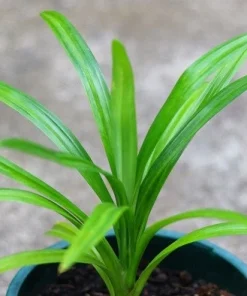
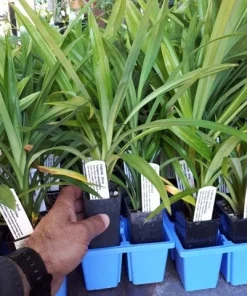
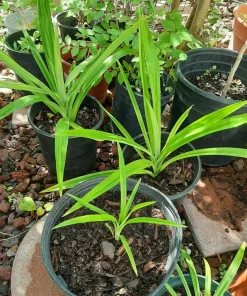
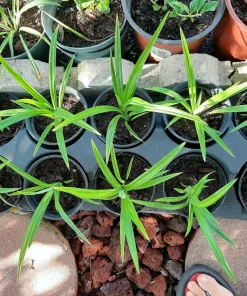
Pandan Plant Live 4-6 Inch – Pandanus Amaryllifolius for Cooking & Home Garden
Original price was: $69.10.$44.10Current price is: $44.10.
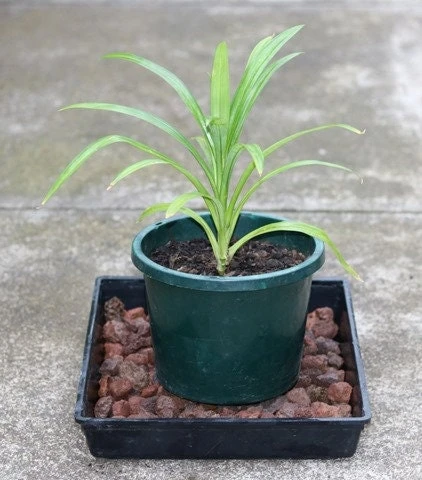
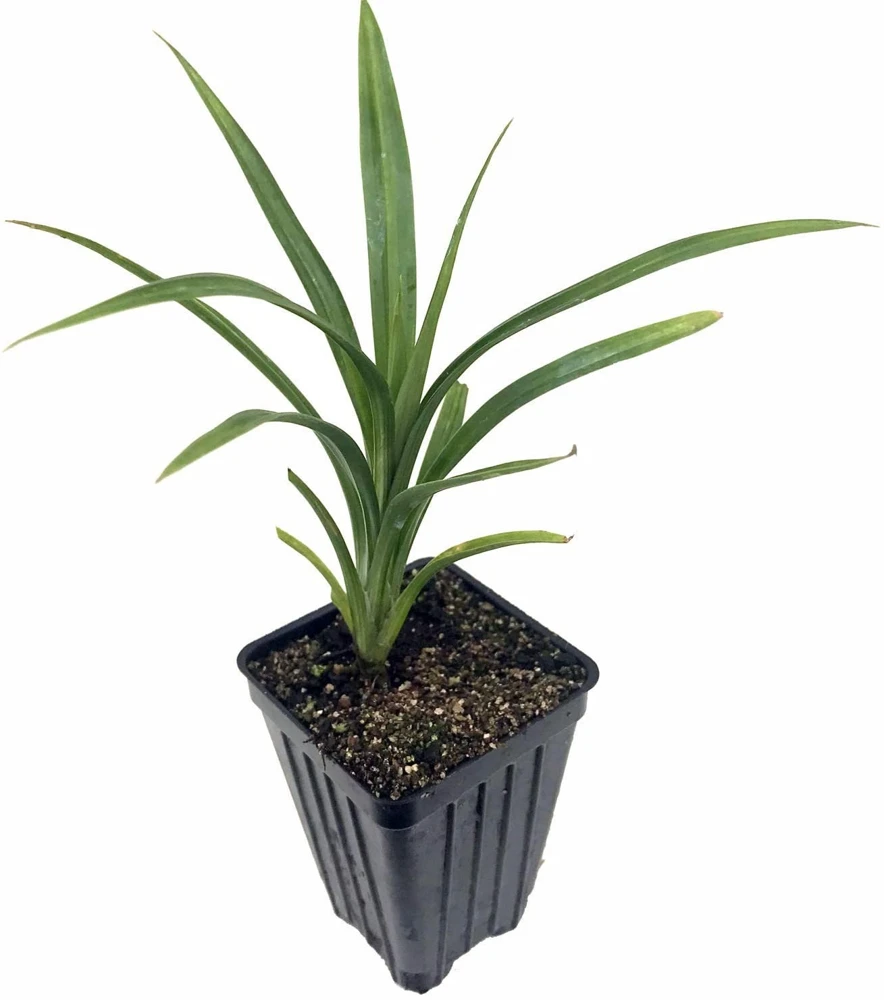
Bring the exotic flavors of Southeast Asia to your home with this pandan plant live. Standing 4-6 inches tall, this pandanus amaryllifolius is ideal for culinary use, adding a unique, aromatic essence to rice, desserts, and beverages. Grow it indoors or outdoors with proper pandan plant care.
Estimated arrival
Oct 25
Oct 30 - Nov 01
Nov 04 - Nov 08
Shop With Confidence
30-Day Plant Health Guarantee
Arrives damaged? We’ll replace it free — see our return policy.
Responsive Support
Email us anytime, we reply within 1 business day.
Expert Packaging
Temperature-controlled shipping to protect your plants in transit.
Secure Checkout
Pay safely with Visa, Mastercard, PayPal.
Plant Specifications
-
USDA Hardiness Zone
USDA Zones 10-11 (outdoors) or indoors year-round -
Soil Type
Moist, well-draining potting mix -
Sunlight Exposure
Full sun to partial afternoon shade -
Expected Planting Period
Year-round indoors; spring to summer outdoors in warm climates
Overview
Discover the delightful aroma and flavor of the pandan plant live, also known as pandanus amaryllifolius or pandan grass. This healthy 4-6 inch live plant is ready to be a vibrant addition to your home garden or kitchen. Widely celebrated in Southeast Asian cuisine, pandan leaves impart a distinctive, sweet, and nutty fragrance, often compared to vanilla, rose, and almond. It’s an essential ingredient for flavoring rice dishes, curries, desserts, and beverages, making it a favorite among chefs and home cooks alike. This upright tropical plant features slender, green leaves and develops aerial roots at its base, adding a unique aesthetic to its practical culinary value. Growing your own pandan ensures a fresh supply of these aromatic leaves right at your fingertips, allowing you to explore new culinary horizons and elevate your dishes with authentic flavor.
Key Benefits
Cultivating your own pandan plant live offers a multitude of advantages, both in the kitchen and as a decorative plant. Its versatility and ease of pandan plant care make it a rewarding choice for gardeners of all levels.
-
Culinary Versatility: The primary benefit of the pandan plant live is its incredible culinary use. The leaves are indispensable for flavoring a wide array of Southeast Asian dishes, from fragrant rice and savory chicken to sweet desserts and refreshing drinks. You can easily make a pandan paste for later use or wrap meats in the leaves before cooking for an infused flavor.
-
Exotic Aroma and Flavor: Pandan leaves provide a unique, aromatic profile that is difficult to replicate with other ingredients. Its sweet and slightly grassy notes add depth and complexity to both sweet and savory recipes, transforming ordinary meals into extraordinary culinary experiences.
-
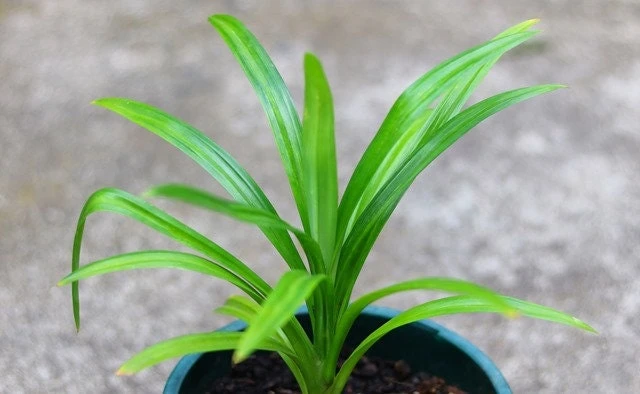
Attractive Foliage: Beyond its culinary uses, the pandanus amaryllifolius is an attractive plant with lush, green, sword-like leaves. Its upright growth habit and aerial roots make it an interesting ornamental specimen, suitable for adding a tropical touch to your indoor or outdoor space.
-
Easy to Grow: Despite its exotic nature, the pandan plant is relatively easy to care for, thriving in warm, moist conditions. With basic attention to sunlight and watering, even beginner gardeners can successfully grow pandan indoors or in suitable outdoor climates.
-
Fresh Supply of Leaves: Having a live plant means you’ll always have fresh pandan leaves available for your cooking needs. This ensures the maximum potency of flavor and aroma compared to dried or frozen alternatives.
-
Natural Air Freshener: The pleasant, subtle fragrance of the pandan plant can also act as a natural air freshener, adding a fresh, clean scent to your home.
Plant Care & Growing Tips
Proper pandan plant care is essential for a thriving and productive plant. This tropical plant prefers warm, humid environments, making it suitable for growing outdoors in appropriate climates or indoors as a potted houseplant. For outdoor cultivation, choose a garden site that receives full, all-day sun to partial afternoon shade. The soil should be moist but well-draining, retaining moisture without becoming soggy. While established plants can tolerate some drought, consistent moisture promotes the healthiest growth. When planting, break up the soil to the depth of the root ball and an area twice as wide. Plant the pandan at the same depth it was growing in its nursery container and water thoroughly to settle the soil.
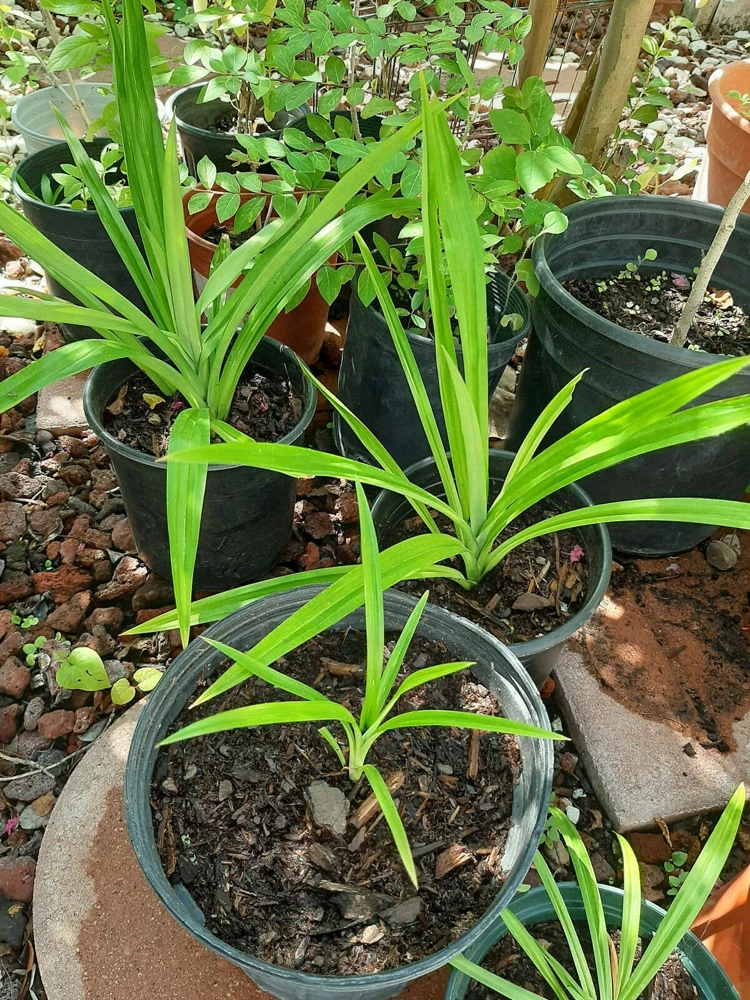
If you choose to grow pandan indoors, ensure your container has bottom drainage holes to prevent waterlogging. Young plants thrive in smaller 10-inch diameter pots, while more mature plants will require a deeper container that is 2 to 4 inches wider than the root ball. Transplant every two to three years as the roots become crowded. Fill the container one-third full with a standard potting soil or a mix formulated for tropical plants. Place the root ball on top and fill around it until the top of the root ball is just beneath the soil surface, then water generously. Temperatures below 55 degrees Fahrenheit can damage pandan plants, and freezes will kill them. Indoor plants perform best in a sunny, south-facing window, or they can be moved outdoors to full sun during warmer summer months. Water garden plants once a week with 1 to 3 inches of water, or enough to keep the soil moist. Indoor plants need watering when the top 1 inch of soil begins to dry. Newly planted pandans generally don’t require immediate fertilization and are quite resilient to pests and diseases.
Size & Details
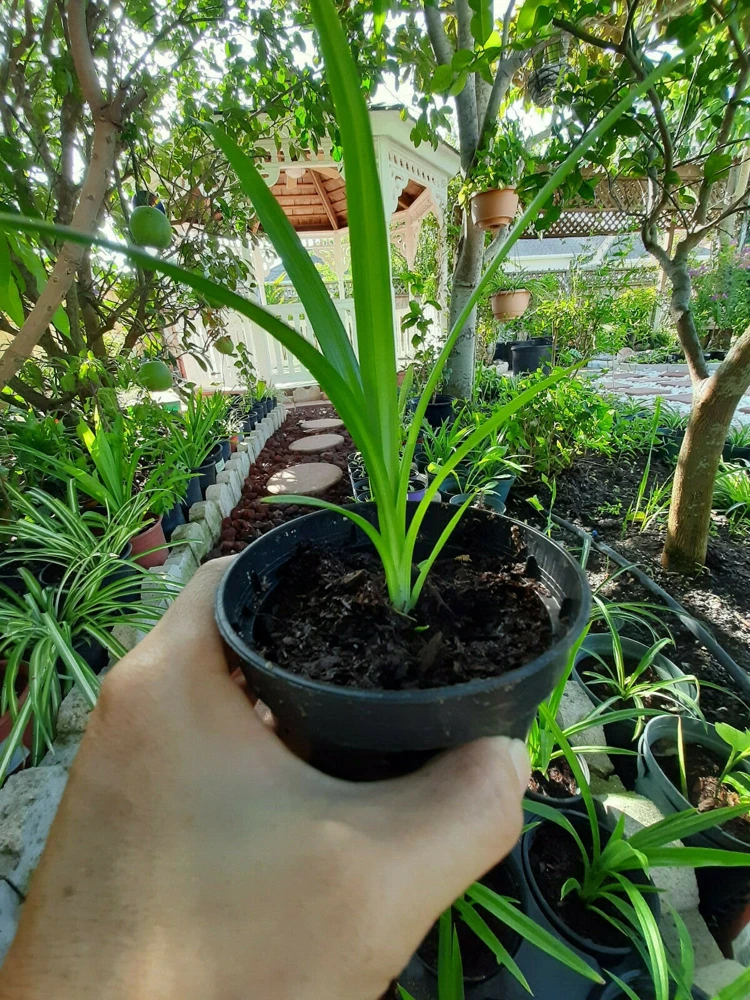
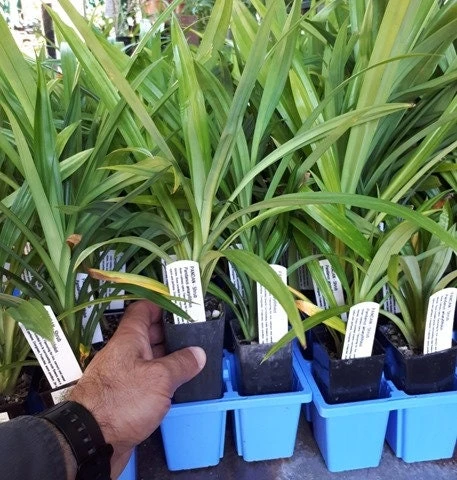
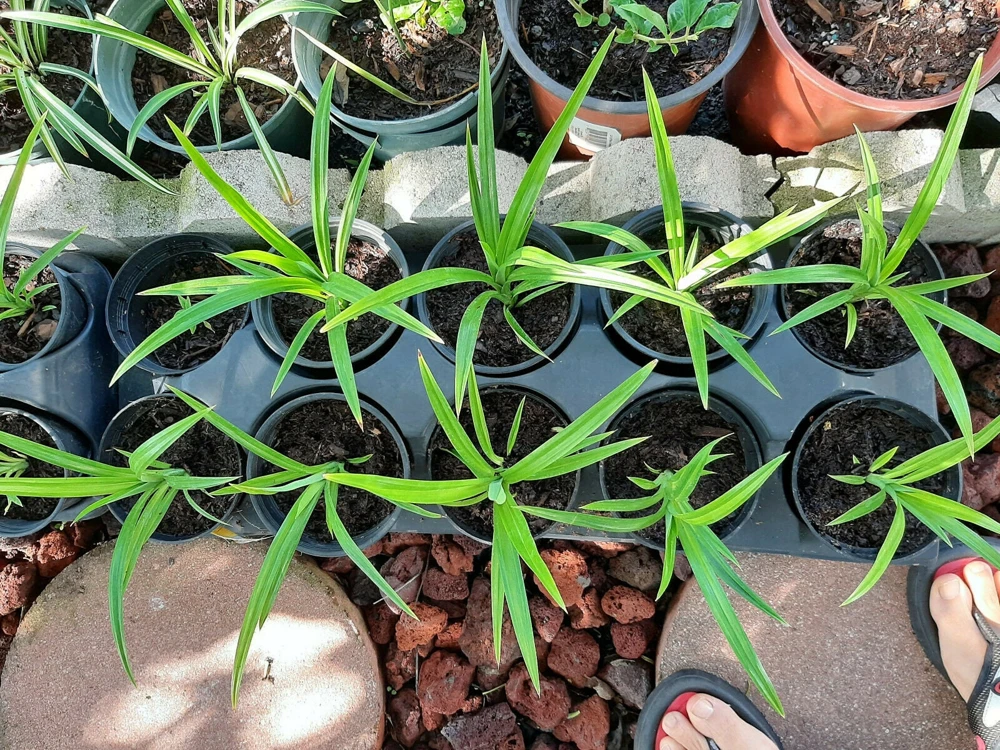
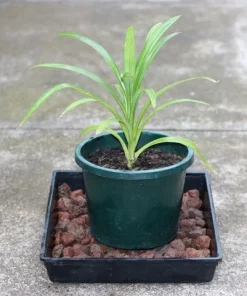
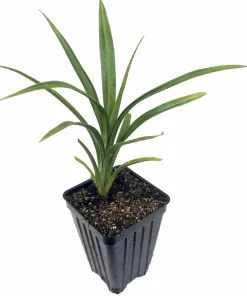
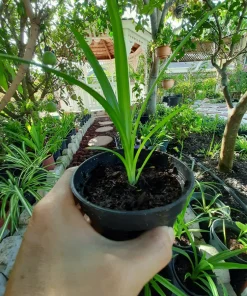
You will receive one healthy pandan plant live, typically 4-6 inches tall, ready for planting. This tropical herb, botanically known as pandanus amaryllifolius, is shipped in a nursery container with soil, ensuring its health and vitality upon arrival. In optimal conditions, pandan plants can grow quite large, reaching up to 3-5 feet tall with a similar spread when mature, though container-grown plants tend to stay smaller. Its growth rate is moderate, allowing you to enjoy fresh leaves relatively quickly. The plant produces suckers from its base, which can be used for propagation, allowing you to expand your collection. Expect consistent leaf production throughout the growing season, providing a continuous supply for your culinary adventures. This pandan grass specimen is a young, vigorous plant, poised to establish itself and flourish in its new environment.
Frequently Asked Questions
-
Q: How big does this pandan plant get? A: This pandan plant live will arrive 4-6 inches tall. When mature, pandan plants can reach 3-5 feet tall and wide, especially when planted outdoors in ideal conditions. Potted indoor plants tend to remain more compact.
-
Q: Is this an indoor or outdoor plant? A: This pandanus amaryllifolius can be grown both indoors and outdoors. It thrives outdoors in warm, tropical climates (USDA Zones 10-11) or can be grown as a potted plant and brought indoors when temperatures drop below 55°F.
-
Q: How much sunlight does it need? A: Whether you grow pandan indoors or out, it prefers full sun to partial afternoon shade. If growing indoors, place it in a sunny, south-facing window to ensure it receives adequate light.
-
Q: Is this plant easy to care for? A: Yes, pandan plant care is relatively straightforward. It requires consistent moisture, warmth, and adequate sunlight. It’s a robust plant that is not prone to many serious pest or disease issues, making it suitable for beginners.
-
Q: What condition will the pandan plant arrive in? A: You will receive one healthy pandan plant live, 4-6 inches tall, carefully packaged in its nursery container with soil to ensure it arrives in excellent condition, ready for planting or repotting.
-
Q: Can I use the leaves for cooking right away? A: Once your pandan plant live has settled into its new environment and started producing new growth, you can begin harvesting leaves. It’s best to allow the plant some time to establish itself before extensive harvesting.
-
Q: What type of soil does a pandan plant prefer? A: Pandan plants thrive in moist, well-draining soil. A standard potting mix or a soil formulated for tropical plants works well, especially for potted plants. Ensure the soil retains moisture without becoming soggy.
-
Q: How can I propagate my pandan grass? A: You can propagate pandan grass from the suckers that grow at its base. Simply cut them from the main plant with a disinfected knife and plant them in a moist, sterile medium. They typically root in four to six weeks.
-
Q: Will it survive winter in my zone? A: Pandan plants are tropical and cannot tolerate cold. Temperatures below 55°F can damage them, and freezes will kill them. If you live in a zone with cold winters, it’s best to grow pandan indoors or bring your potted plant inside for the winter months.
Be the first to review “Pandan Plant Live 4-6 Inch – Pandanus Amaryllifolius for Cooking & Home Garden”
People Also Viewed


Reviews
There are no reviews yet.