

50 Iris Flower Seeds – Bulk Pack for Garden Planting
Original price was: $49.99.$24.99Current price is: $24.99.
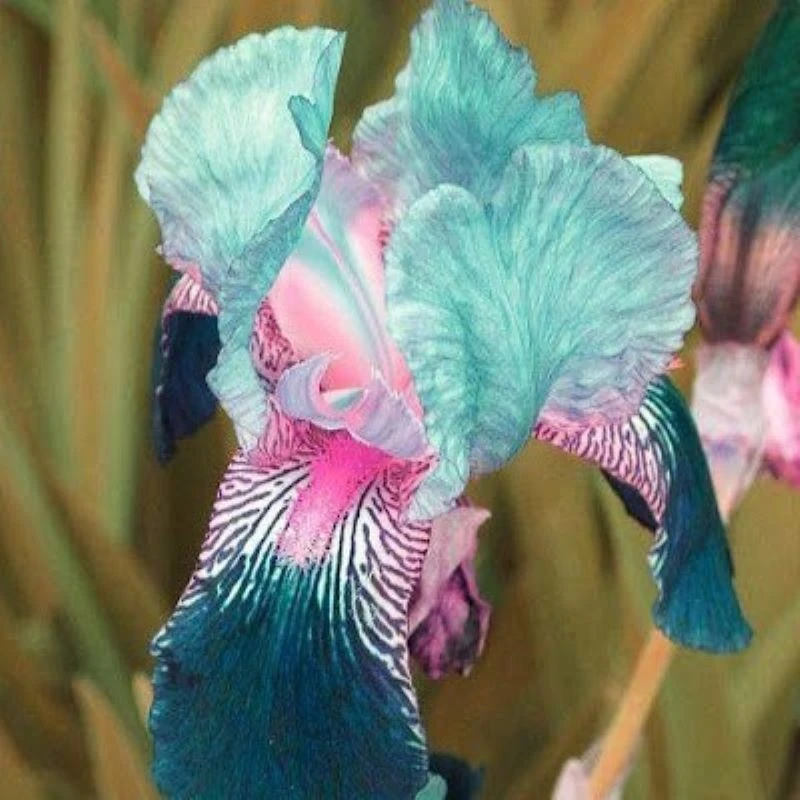
Cultivate beautiful iris flower seeds in your garden with this bulk pack of 50 fresh seeds. Ideal for creating vibrant floral displays, these seeds provide an economical alternative to bulbs.
Estimated arrival
Oct 25
Oct 30 - Nov 01
Nov 04 - Nov 08
Shop With Confidence
30-Day Plant Health Guarantee
Arrives damaged? We’ll replace it free — see our return policy.
Responsive Support
Email us anytime, we reply within 1 business day.
Expert Packaging
Temperature-controlled shipping to protect your plants in transit.
Secure Checkout
Pay safely with Visa, Mastercard, PayPal.
Plant Specifications
-
USDA Hardiness Zone
USDA zones 3-9 -
Soil Type
Well-draining soil -
Sunlight Exposure
Full sun to partial shade -
Expected Planting Period
Fall or early spring (after stratification)
Overview
Transform your garden into a tapestry of color with our premium iris flower seeds. This generous pack of 50 fresh seeds offers a fantastic opportunity to grow a multitude of stunning iris plants, providing a continuous display of their iconic, intricate blooms. Growing iris from seed is a rewarding and cost-effective method to establish a beautiful iris patch, allowing you to enjoy the full lifecycle of these magnificent flowers. Unlike purchasing mature bulbs, starting with iris flower seeds gives you the satisfaction of nurturing your plants from their very beginning, observing their growth and eventual spectacular flowering. These seeds are carefully selected for freshness, ensuring a high germination rate and robust plant development, making them suitable for both novice and experienced gardeners eager to expand their floral collections.
Irises are celebrated worldwide for their distinctive, elegant blossoms and a wide array of colors, from classic purples and blues to striking yellows, whites, and bi-colors. Our iris flower seeds provide a diverse genetic pool, potentially yielding a fascinating variety of flower forms and hues. This approach not only saves money compared to buying individual bulbs but also offers the excitement of anticipating unique variations in your garden. Whether you’re planning a large-scale garden project or simply wish to add a touch of sophistication to your flower beds, these seeds are an excellent choice. Prepare to be enchanted by the beauty and resilience of these timeless garden favorites.
Key Benefits
Cultivating iris plants from seed offers numerous advantages for any gardener, providing both aesthetic appeal and a sense of accomplishment. These benefits extend from the initial planting phase through years of enjoyment.
- Economical Gardening Solution: Starting with iris flower seeds is significantly more cost-effective than purchasing mature iris bulbs or plants, allowing you to establish a large iris collection for a fraction of the price. This makes it an ideal option for gardeners looking to fill significant spaces or embark on large-scale landscaping projects without breaking the bank.
- Diverse Color Palettes: Seeds often produce a wider genetic variation, meaning you could discover unique color combinations and patterns not commonly found in commercially available bulbs. This adds an element of surprise and individuality to your garden, making each bloom a delightful discovery.
- Rewarding Growth Experience: There’s immense satisfaction in nurturing a plant from a tiny seed to a magnificent flowering specimen. Watching your iris flower seeds germinate and grow into mature plants provides a deeply fulfilling gardening experience, connecting you more intimately with nature.
- Longevity and Perennial Beauty: Iris plants are hardy perennials, meaning they will return year after year, often multiplying over time. Once established, your iris patch will provide continuous beauty with minimal effort, becoming a lasting feature in your landscape.
- Attract Pollinators: Iris flowers, with their vibrant colors and intricate structures, are excellent attractors for beneficial pollinators like bees and butterflies. By planting these seeds, you contribute to local biodiversity and support a healthy garden ecosystem.
- Versatile Landscape Use: Irises are incredibly versatile and can be used in various garden settings, including borders, rock gardens, cottage gardens, and even as cut flowers. Their striking appearance makes them a focal point wherever they are planted.
Plant Care & Growing Tips
Successfully growing iris from seed requires a bit of patience and attention to specific cultural requirements. To ensure your iris flower seeds germinate and thrive, it’s crucial to mimic their natural growing conditions. Begin by preparing a well-draining seed-starting mix in trays or small pots. Iris seeds often benefit from a period of cold stratification to break dormancy. You can achieve this by placing the seeds in a moist medium (like peat moss or sand) in a sealed bag in your refrigerator for 4-8 weeks before planting. Alternatively, outdoor fall planting allows nature to provide the necessary cold period, with germination typically occurring the following spring.
Once planted, whether indoors or out, ensure the soil remains consistently moist but not waterlogged. Planting iris seeds should be done at a shallow depth, usually about 1/4 to 1/2 inch deep. Provide your seedlings with plenty of light; if growing indoors, a grow light is highly recommended to prevent leggy growth. As seedlings grow, gradually acclimate them to outdoor conditions before transplanting them into their permanent garden location. Irises generally prefer a location with full sun, meaning at least six hours of direct sunlight per day, though some varieties can tolerate partial shade, especially in hotter climates.
When it comes to ongoing iris plant care, well-draining soil is paramount to prevent rhizome rot. Amend heavy clay soils with organic matter like compost or sand to improve drainage. Water regularly during dry spells, especially during the growing season, but allow the soil to dry out slightly between waterings. Fertilize sparingly with a balanced, low-nitrogen fertilizer in early spring. Deadhead spent blooms to encourage the plant to put energy into rhizome development rather than seed production, unless you specifically want more seeds. Keep an eye out for common pests like iris borers and address any issues promptly. Proper care will lead to robust iris flower seeds developing into stunning, healthy plants.
Size & Details
This offering includes 50 iris flower seeds, providing an ample quantity for establishing a significant planting area or for multiple planting attempts. Iris plants grown from these seeds typically reach a mature height of 1 to 3 feet, depending on the specific variety and growing conditions. The spread can be similar, forming attractive clumps over time. While individual seed germination times can vary, you can generally expect seedlings to emerge within a few weeks to several months after planting, especially if cold stratification is applied.
Flowering usually begins in the second or third year after planting from seed, as the plants need time to establish a strong root system and mature rhizomes. The seeds are packaged fresh to ensure viability and are ready for planting upon arrival. These are not bulbs, but true seeds, offering a different and often more diverse approach to growing irises. The growth rate is moderate, with plants gradually increasing in size and producing more blooms each subsequent year once established. This bulk pack is an excellent value for gardeners looking for fresh flower seeds.
Frequently Asked Questions
- Q: How many iris seeds are included in this pack? A: This pack contains 50 iris flower seeds, providing a generous quantity for multiple plantings or an extensive garden display. This allows for a good chance of successful germination and a vibrant iris patch.
- Q: Is it difficult to grow iris from seed? A: Growing iris from seed requires patience and specific steps like cold stratification, but it is a rewarding process. With proper care and attention to soil and light, even beginner gardeners can succeed in growing iris plants from these seeds.
- Q: When is the best time for planting iris seeds? A: The best time for planting iris seeds is typically in the fall, allowing them to undergo natural cold stratification over winter for spring germination. If planting indoors, stratify them in a refrigerator for 4-8 weeks before planting in late winter or early spring.
- Q: How long does it take for iris seeds to flower? A: Iris plants grown from seed usually take 2 to 3 years to reach maturity and produce their first blooms. This period allows the plant to develop a strong root system and healthy rhizomes.
- Q: What kind of light do iris plants need? A: Iris plants thrive in full sun, requiring at least 6 hours of direct sunlight per day. While some varieties can tolerate partial shade, especially in very hot climates, abundant sunlight promotes the best flowering.
- Q: What kind of soil is best for iris plants? A: Irises prefer well-draining soil. If your soil is heavy clay, it’s recommended to amend it with organic matter like compost or sand to improve drainage and prevent rhizome rot.
- Q: What is involved in basic iris plant care? A: Basic iris plant care includes providing full sun, well-draining soil, regular watering during dry periods, and occasional fertilization. Deadheading spent blooms and monitoring for pests are also important for healthy growth.
- Q: Will these seeds produce different colored iris flowers? A: Yes, starting from fresh flower seeds often results in a variety of colors and patterns due to genetic diversity. This means you could get a delightful mix of iris blooms in your garden.
- Q: Are these iris seeds suitable for containers? A: While irises are typically grown in the ground, certain dwarf varieties can be grown in large containers with good drainage. Ensure the container is spacious enough to accommodate rhizome growth.
- Q: What is the USDA hardiness zone for iris? A: Most iris varieties are hardy in USDA zones 3-9, though specific hardiness can vary slightly by cultivar. They are generally quite resilient and can tolerate a range of climates.
Be the first to review “50 Iris Flower Seeds – Bulk Pack for Garden Planting”
People Also Viewed
Vegetable Seeds
Cherokee Wax Bean Seeds – 50 Yellow Bush Bean Seeds – AAS Winner
Reviews
There are no reviews yet.