

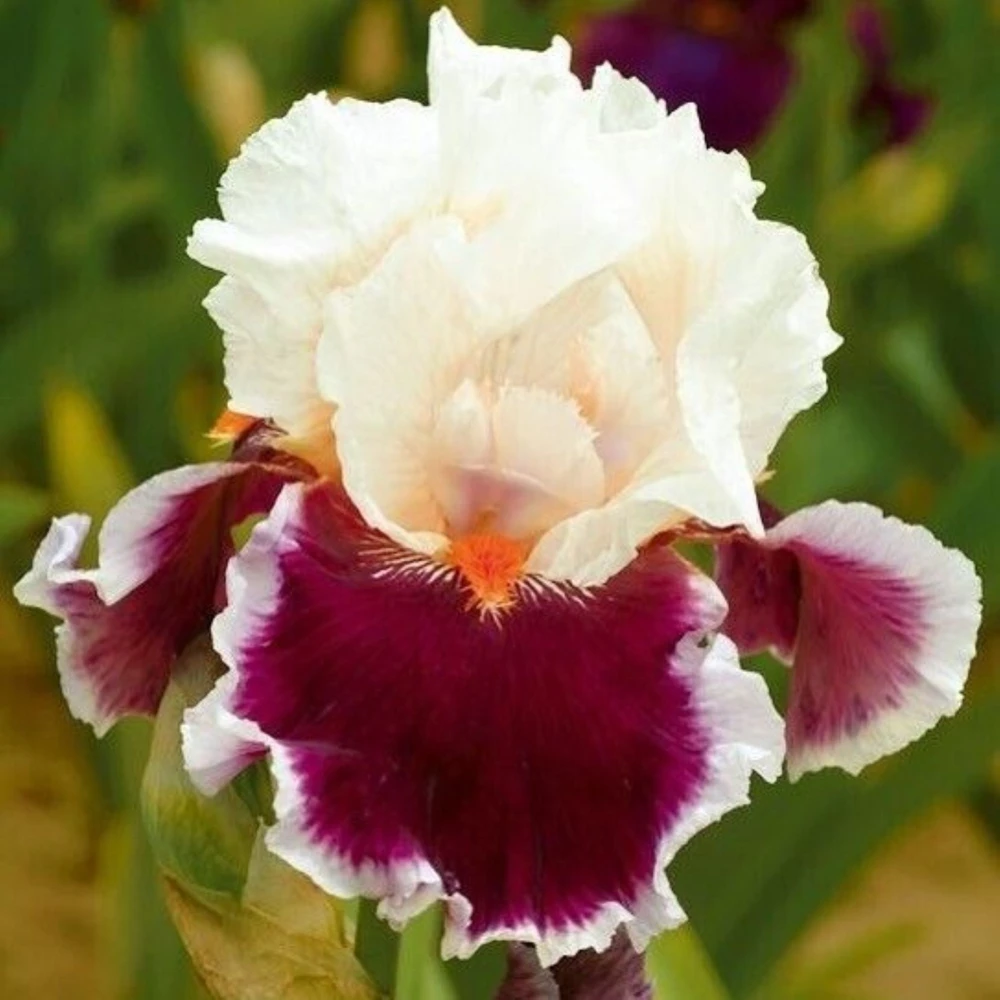
50 Iris Seeds – Flowering Iris Plant Seeds for Garden
Original price was: $49.99.$24.99Current price is: $24.99.
Cultivate beautiful iris flowers in your garden with this pack of 50 iris seeds. Ideal for creating colorful and elegant floral displays, these seeds offer a rewarding gardening experience. Perfect for both novice and experienced gardeners looking to grow iris from seed.
Estimated arrival
Oct 25
Oct 30 - Nov 01
Nov 04 - Nov 08
Shop With Confidence
30-Day Plant Health Guarantee
Arrives damaged? We’ll replace it free — see our return policy.
Responsive Support
Email us anytime, we reply within 1 business day.
Expert Packaging
Temperature-controlled shipping to protect your plants in transit.
Secure Checkout
Pay safely with Visa, Mastercard, PayPal.
Plant Specifications
-
USDA Hardiness Zone
USDA zones 3-9 (variety dependent) -
Soil Type
Well-draining loam -
Sunlight Exposure
Full sun to partial shade -
Expected Planting Period
Fall or early spring
Overview
Embark on a rewarding gardening journey with our premium pack of 50 iris seeds, designed to help you cultivate stunning iris flowers in your own backyard. These seeds offer an economical and satisfying way to expand your garden’s beauty, providing a vibrant array of colors and elegant forms that irises are renowned for. Growing iris from seed allows you to experience the full life cycle of these magnificent plants, from tiny seed to majestic bloom. Irises, known botanically as Iris spp., are celebrated for their distinctive, intricate flowers and strong, sword-like foliage, making them a captivating addition to any landscape.
Each pack contains 50 iris seeds, carefully selected for viability and freshness, ensuring you have a great start to your gardening project. Whether you’re a seasoned gardener or just beginning, these seeds provide an excellent opportunity to introduce the timeless elegance of irises into your outdoor spaces. Imagine a garden bursting with the unique beauty of these flowering plants, attracting pollinators and delighting onlookers. Our flowering iris seeds are perfect for creating borders, mass plantings, or adding focal points to your garden design.
Key Benefits
Growing irises from seed offers a multitude of benefits, enriching your garden and providing immense satisfaction. These adaptable plants are not only beautiful but also relatively easy to care for once established. Here are some of the key advantages:
- Economical Gardening: Starting with iris seeds is a cost-effective way to cultivate a large number of iris plants compared to purchasing mature bulbs or plants. This allows for extensive planting projects without a significant investment.
- Diverse Varieties: Seeds can often yield a wider genetic diversity, potentially leading to unique flower colors and patterns that might not be available through propagated plants. This adds an element of surprise and individuality to your garden.
- Enhanced Garden Aesthetics: Irises are celebrated for their striking beauty, characterized by their unique flower structure and a vast spectrum of colors. Planting these garden iris seeds will transform your landscape with elegant blooms that capture attention.
- Pollinator Attraction: The vibrant flowers of irises are a magnet for bees, butterflies, and other beneficial pollinators, contributing to a healthy and thriving garden ecosystem. By planting these iris plant seeds, you’re supporting local wildlife.
- Long-Lasting Blooms: Many iris varieties offer a long blooming season, providing continuous color and beauty from late spring through early summer. With proper care, your iris plants will grace your garden for many years.
- Drought Tolerance: Once established, many iris varieties are remarkably drought-tolerant, making them a sustainable choice for water-wise gardens. This resilience reduces the need for frequent watering, saving time and resources.
- Versatile Landscaping: Irises are incredibly versatile and can be used in various garden settings, including perennial borders, rock gardens, cottage gardens, and even as cut flowers for indoor arrangements.
Plant Care & Growing Tips
Successfully growing iris seeds requires attention to a few key factors, ensuring your plants thrive from germination to bloom. Start by preparing your seedbeds or propagation trays with a well-draining seed-starting mix. Iris seeds often benefit from a period of cold stratification to break dormancy and encourage germination. This can be achieved by placing the seeds in a moist medium (like peat or sand) in a refrigerator for several weeks before planting, mimicking winter conditions. Plant the seeds about 1/4 inch deep and keep the soil consistently moist but not waterlogged.
Once germinated, provide your iris seedlings with plenty of sunlight. Irises generally prefer full sun, meaning at least 6 hours of direct sunlight per day, though some varieties can tolerate partial shade. Ensure good air circulation to prevent fungal diseases. When transplanting seedlings into the garden, choose a location with well-draining soil. Irises do not like wet feet, so amending heavy clay soils with organic matter like compost or grit can significantly improve drainage. Space your iris plant seeds appropriately, usually 12-18 inches apart, to allow for mature growth and good air flow.
Watering should be consistent during the growing season, especially during dry spells, but allow the top inch or two of soil to dry out between waterings. Reduce watering frequency once the plants are established and during their dormant period. Fertilize sparingly with a balanced, low-nitrogen fertilizer in early spring, avoiding high-nitrogen formulas which can encourage leafy growth at the expense of flowers. Deadhead spent blooms to encourage more flowering and prevent seed formation, unless you wish to collect more flowering iris seeds. Most irises are hardy in USDA zones 3-9, depending on the specific variety, so research the hardiness of your chosen type to ensure it’s suitable for your climate. Protecting rhizomes in colder zones with mulch can help them overwinter successfully.
Size & Details
This product includes a pack of 50 iris seeds, providing ample opportunity to cultivate numerous iris plants. Each seed has the potential to grow into a mature iris plant, typically reaching heights of 18 to 36 inches, depending on the variety and growing conditions. The spread can range from 12 to 24 inches as the rhizomes multiply over time. These seeds are intended for planting directly into garden soil or seed-starting trays, allowing you to establish a robust collection of iris plants. The time to first bloom from seed can vary, often taking 2-3 years for plants to reach maturity and produce their first flowers, though some may bloom sooner under optimal conditions. You can expect a mix of beautiful garden iris seeds that will bring joy to your outdoor space.
The seeds are shipped in a protective packet to ensure their viability upon arrival. While specific measurements of individual seeds are small, the quantity provided ensures a high chance of successful germination and establishment. These iris seeds are an excellent choice for gardeners looking to undertake a long-term project and enjoy the process of nurturing plants from their earliest stage. Prepare to be delighted by the diverse forms and colors that can emerge from these humble seeds, transforming your garden into a vibrant showcase of iris beauty.
Frequently Asked Questions
- Q: How big do iris plants get from these seeds? A: Iris plants grown from these iris seeds typically reach a height of 18 to 36 inches, with a spread of 12 to 24 inches, depending on the specific variety and growing conditions. Some dwarf varieties may be smaller, while taller ones can exceed three feet.
- Q: Is this an indoor or outdoor plant? A: Irises are predominantly outdoor plants, thriving in garden beds, borders, and perennial landscapes. While some specific types might be grown in containers, they generally require outdoor conditions to flourish and bloom.
- Q: How much sunlight do these iris seeds need to grow? A: For optimal growth and prolific blooming, iris plants prefer full sun, meaning at least 6 hours of direct sunlight per day. Some varieties can tolerate partial shade, but ample sunlight is crucial for healthy development and abundant flowers.
- Q: Is growing iris from seed difficult for beginners? A: Growing iris seeds can be a rewarding project for beginners, though it requires patience as germination can be slow and plants may take a few years to bloom. Following proper stratification and care instructions will greatly increase success.
- Q: What condition will the seeds arrive in? A: The 50 iris seeds will arrive in a sealed, protective packet, ensuring their freshness and viability. They are ready for planting upon receipt, though cold stratification may be recommended depending on your climate and planting schedule.
- Q: When is the best time to plant these iris seeds? A: The best time to plant flowering iris seeds is typically in late summer or fall, allowing them to undergo natural cold stratification over winter. Alternatively, you can artificially stratify them in a refrigerator for several weeks before planting in early spring.
- Q: What type of soil is best for growing iris plants? A: Irises thrive in well-draining soil. A sandy loam with a neutral to slightly acidic pH (6.0-7.0) is ideal. Avoid heavy clay soils that retain too much moisture, as this can lead to rhizome rot. Amend with compost to improve drainage and fertility.
- Q: How long until iris plants bloom from seed? A: Iris plants grown from iris plant seeds typically take 2 to 3 years to reach maturity and produce their first blooms. This process requires patience, but the unique flowers that result are well worth the wait.
- Q: Are these garden iris seeds perennial? A: Yes, most iris varieties are herbaceous perennials, meaning they will return year after year, often increasing in size and bloom production over time. They go dormant in winter and re-emerge in spring.
- Q: Do these seeds require any special treatment before planting? A: Many iris seeds benefit from cold stratification to encourage germination. This involves exposing the seeds to cold, moist conditions for several weeks, which can be done naturally by planting in fall or artificially in a refrigerator.
Be the first to review “50 Iris Seeds – Flowering Iris Plant Seeds for Garden”
People Also Viewed
Reviews
There are no reviews yet.