
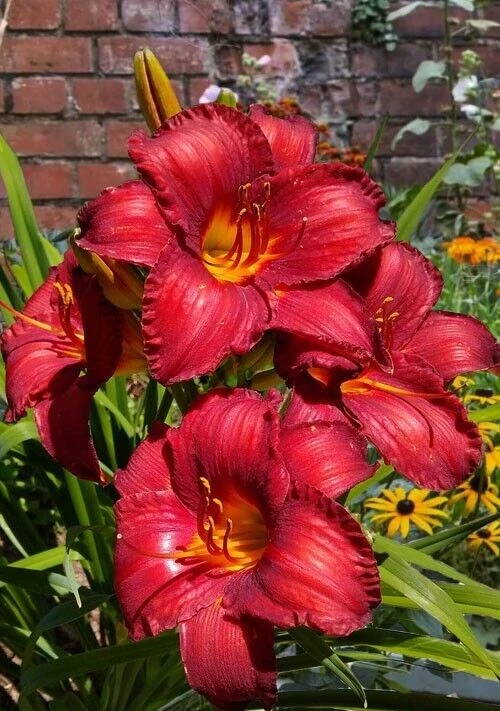
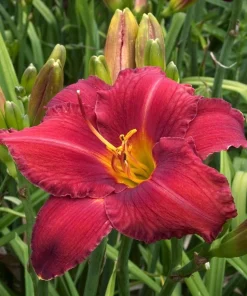
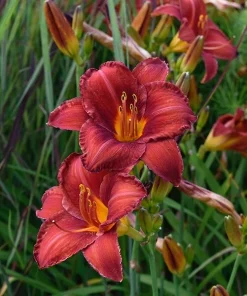
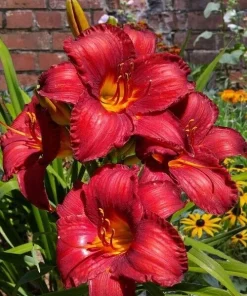
Chicago Apache Daylily Bare Root Plants – 2 Pack Perennial Outdoor Flower
Original price was: $82.99.$62.99Current price is: $62.99.
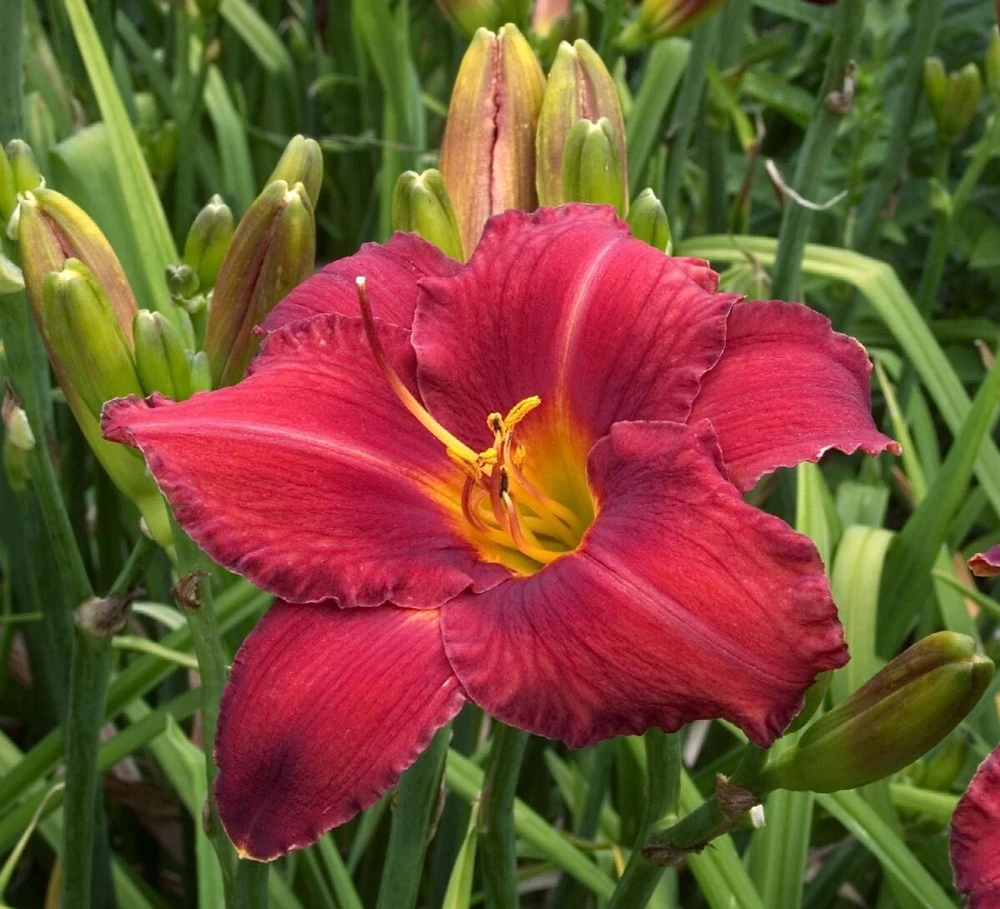
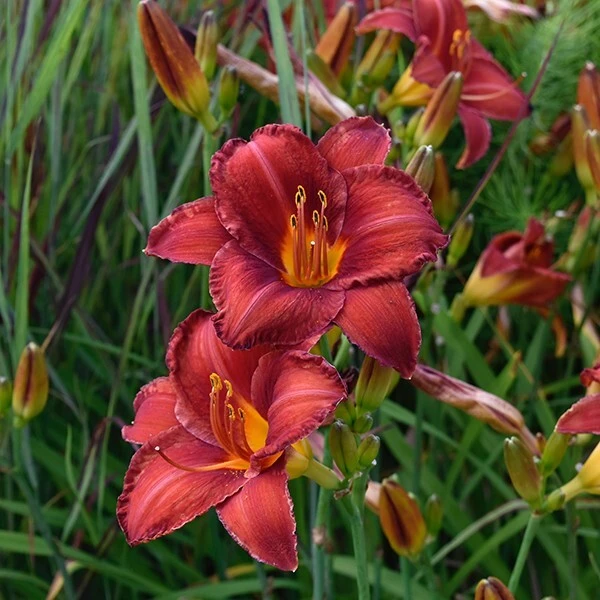
Introduce vibrant color to your garden with Chicago Apache Daylily bare root plants. This 2-pack of perennial daylily plants produces stunning red and yellow blooms, making them an excellent choice for outdoor landscapes. Known for their resilience and easy daylily care, these bare roots establish quickly and provide beautiful, long-lasting flowers.
Estimated arrival
Oct 25
Oct 30 - Nov 01
Nov 04 - Nov 08
Shop With Confidence
30-Day Plant Health Guarantee
Arrives damaged? We’ll replace it free — see our return policy.
Responsive Support
Email us anytime, we reply within 1 business day.
Expert Packaging
Temperature-controlled shipping to protect your plants in transit.
Secure Checkout
Pay safely with Visa, Mastercard, PayPal.
Plant Specifications
-
USDA Hardiness Zone
USDA Zones 3-9 -
Soil Type
Well-draining, fertile loam -
Sunlight Exposure
Full Sun -
Expected Planting Period
Early spring to early summer, or early fall
Overview
Transform your garden into a dazzling display of color with the Chicago Apache Daylily bare root plants. This offering includes two robust bare roots of the popular ‘Chicago Apache’ variety, renowned for its striking red petals with a contrasting yellow throat. These beautiful perennial daylily plants (Hemerocallis ‘Chicago Apache’) are a fantastic choice for gardeners seeking both beauty and durability. Daylilies are not true lilies but are members of the Hemerocallidaceae family, celebrated for their vibrant, trumpet-shaped flowers that bloom prolifically. The ‘Chicago Apache’ cultivar is particularly prized for its bold coloration and consistent performance, making it a standout in any landscape. Planting bare root daylilies is an economical and effective way to establish mature plants, ensuring a robust root system for future growth and abundant flowering.
The ‘Chicago Apache’ Daylily is a reliable and hardy addition to perennial borders, mass plantings, or as an accent plant. Its vibrant hues attract pollinators like butterflies, adding life and movement to your garden space. These perennial daylily plants are known for their vigorous growth and ability to thrive in a wide range of conditions, making them suitable for various garden styles and climates. Unlike some more delicate flowering plants, daylilies are famous for their resilience, requiring minimal intervention once established. This makes the Hemerocallis Chicago Apache an ideal choice for both seasoned gardeners and those just starting their horticultural journey, promising a rewarding display of blooms year after year.
Key Benefits
The ‘Chicago Apache’ Daylily offers numerous advantages, making it a highly desirable plant for any garden. Its ease of cultivation and spectacular blooms contribute to its widespread popularity. Here are some of the key benefits of incorporating these Chicago Apache Daylily bare root plants into your landscape:
- Stunning Visual Appeal: The ‘Chicago Apache’ Daylily features rich, deep red flowers with a bright yellow throat, creating a dramatic contrast that captures attention. These vibrant blooms add a splash of intense color to garden beds, borders, and containers, enhancing the overall aesthetic of your outdoor space. Each flower is a work of art, contributing to a lively and dynamic garden.
- Exceptional Hardiness: Daylilies are renowned for their robust nature and ability to withstand various environmental stresses. They are remarkably drought-tolerant once established and can endure a wide range of temperatures, making them a dependable choice for many different climates and USDA hardiness zones.
- Low Maintenance: These perennial daylily plants are incredibly easy to care for, requiring minimal attention to thrive. They are not prone to many pests or diseases, reducing the need for constant monitoring and treatment. This makes them perfect for busy gardeners or those new to planting perennials.
- Long Blooming Season: While individual daylily blooms last only one day, the ‘Chicago Apache’ variety produces a continuous succession of flowers throughout the summer, providing an extended period of color and interest in your garden. This prolonged display ensures your landscape remains vibrant for months.
- Versatile Landscaping Use: Whether you’re creating a cottage garden, a formal border, or a naturalized area, the ‘Chicago Apache’ Daylily fits seamlessly. They look fantastic when planted in groups, creating a sea of color, or as individual specimens to highlight specific areas of your garden.
- Attracts Pollinators: The bright, open blooms of the ‘Chicago Apache’ Daylily are attractive to beneficial insects such as butterflies and bees. By planting these daylilies, you can help support local pollinator populations, contributing to a healthier ecosystem in your garden.
- Resilience to Deer and Rabbits: Daylilies are generally considered deer and rabbit resistant, which is a significant advantage for gardeners in areas where these animals are a common nuisance. This helps ensure your beautiful blooms remain intact and undisturbed.
Plant Care & Growing Tips
Cultivating Chicago Apache Daylily bare root plants successfully is straightforward, thanks to their hardy nature. To ensure your perennial daylily plants establish well and produce abundant blooms, follow these simple care guidelines. Daylilies are incredibly adaptable, but providing optimal conditions will lead to the best performance. They thrive in locations where they can receive adequate sunlight and have well-draining soil, which is crucial for preventing root rot and promoting vigorous growth. Understanding their basic needs will contribute significantly to their long-term health and vibrant flowering.
For sunlight, ‘Chicago Apache’ Daylilies perform best in full sun, meaning at least six hours of direct sunlight per day. While they can tolerate partial shade, too little sun may result in fewer blooms and less vigorous growth. When it comes to watering, daylilies prefer consistent moisture, especially during dry spells and their blooming period. Water deeply once or twice a week, allowing the soil to dry out slightly between waterings. Avoid overwatering, as constantly soggy soil can lead to problems. The ideal soil for Hemerocallis Chicago Apache is a well-draining, fertile loam. Amend heavy clay soils with organic matter like compost to improve drainage and aeration. For sandy soils, compost will help retain moisture and nutrients. Daylilies are generally tolerant of various soil pH levels, but a slightly acidic to neutral pH (6.0-7.0) is preferred.
These perennial daylily plants are incredibly cold-hardy, typically thriving in USDA zones 3-9. In colder climates, a layer of mulch applied in late fall can help protect the crowns. Fertilize in early spring with a balanced slow-release granular fertilizer or a liquid feed once new growth appears. A second feeding after the main bloom period can encourage reblooming. Deadhead spent flowers regularly to encourage more blooms and maintain a tidy appearance. Division every 3-5 years can rejuvenate older clumps and prevent overcrowding, though it’s not always necessary for these easy daylily care plants. Watch out for common pests like aphids or thrips, which can be managed with insecticidal soap if necessary, though daylilies are generally quite resistant to serious pest issues.
Size & Details
The Chicago Apache Daylily bare root plants are shipped as dormant bare roots, which are essentially the plant’s root system without soil or foliage. This method ensures that the plant is ready to establish quickly in your garden, focusing its energy on developing a strong root system before producing top growth. Each bare root is a robust specimen, carefully selected to ensure high viability and growth potential. Once planted, these bare roots will rapidly sprout foliage and develop into mature perennial daylily plants.
Upon maturity, the ‘Chicago Apache’ Daylily typically reaches a height of about 24-30 inches (60-75 cm) with a similar spread. The foliage forms an attractive clump of grassy, arching leaves that remain green throughout the growing season. The large, showy flowers, measuring approximately 5-6 inches across, will begin to appear in early to mid-summer and continue producing blooms for several weeks. The growth rate is moderate, with plants establishing themselves well within the first year and reaching their full potential in 2-3 years. Expect the first blooms in the first or second season after planting, depending on planting time and growing conditions. These perennial daylily plants are designed for long-term enjoyment, providing beauty and resilience for many years with minimal effort.
Frequently Asked Questions
- Q: How big does this plant get? A: The Chicago Apache Daylily bare root plant typically matures to a height of 24-30 inches (60-75 cm) with a similar spread. Its foliage forms a dense clump, and the flower stalks rise above the leaves, showcasing the vibrant blooms.
- Q: Is this an indoor or outdoor plant? A: The ‘Chicago Apache’ Daylily is primarily an outdoor plant. It is a hardy perennial that thrives in garden beds, borders, and outdoor containers, designed to withstand various weather conditions.
- Q: How much sunlight does it need? A: These perennial daylily plants prefer full sun, meaning at least six hours of direct sunlight per day. They can tolerate some partial shade, but optimal blooming occurs in full sun conditions.
- Q: Is this plant easy to care for? A: Yes, the ‘Chicago Apache’ Daylily is known for its easy daylily care and resilience. It’s an excellent choice for both beginner and experienced gardeners due to its low maintenance requirements and adaptability.
- Q: What condition will it arrive in? A: Your order will arrive as Chicago Apache Daylily bare root plants. These are dormant root systems without soil or foliage, ready to be planted directly into your garden for optimal establishment.
- Q: When is the best time to plant these bare roots? A: The best time to plant daylily bare roots is in early spring after the last frost or in early fall, giving them time to establish a strong root system before extreme weather.
- Q: How long until it blooms? A: You can typically expect your perennial daylily plants to produce their first blooms in the first or second season after planting, depending on growing conditions and the time of year they are planted.
- Q: Will it survive winter in my zone? A: The ‘Chicago Apache’ Daylily is very cold-hardy and typically thrives in USDA Zones 3-9. In colder zones, a layer of mulch in late fall can provide extra protection.
- Q: What type of soil is best for these daylilies? A: These Hemerocallis Chicago Apache plants prefer well-draining, fertile soil. Amending heavy clay soils with compost or other organic matter will improve drainage and overall plant health.
- Q: Do I need to deadhead the spent flowers? A: While not strictly necessary for the plant’s health, deadheading spent flowers (removing faded blooms) will encourage the plant to produce more flowers and maintain a tidier appearance throughout the blooming season.
Be the first to review “Chicago Apache Daylily Bare Root Plants – 2 Pack Perennial Outdoor Flower”
People Also Viewed
Uncategorized
Reviews
There are no reviews yet.