


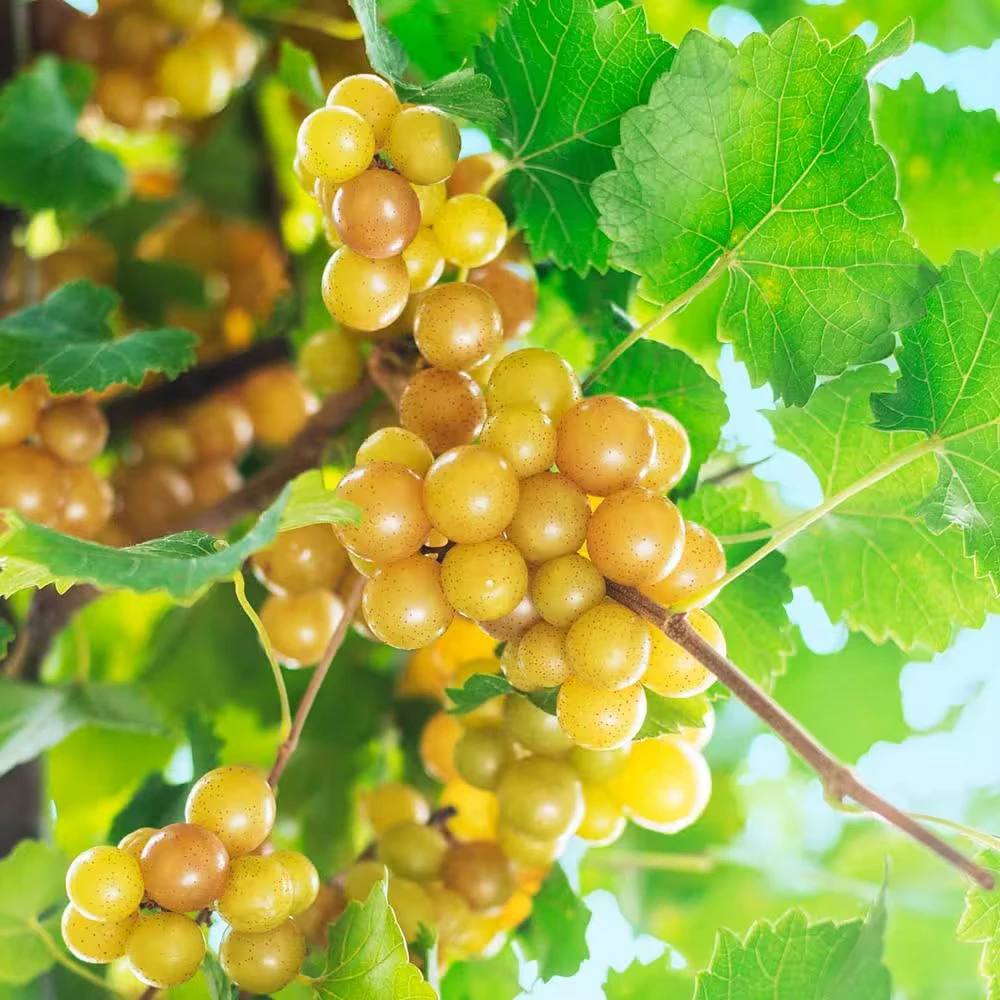
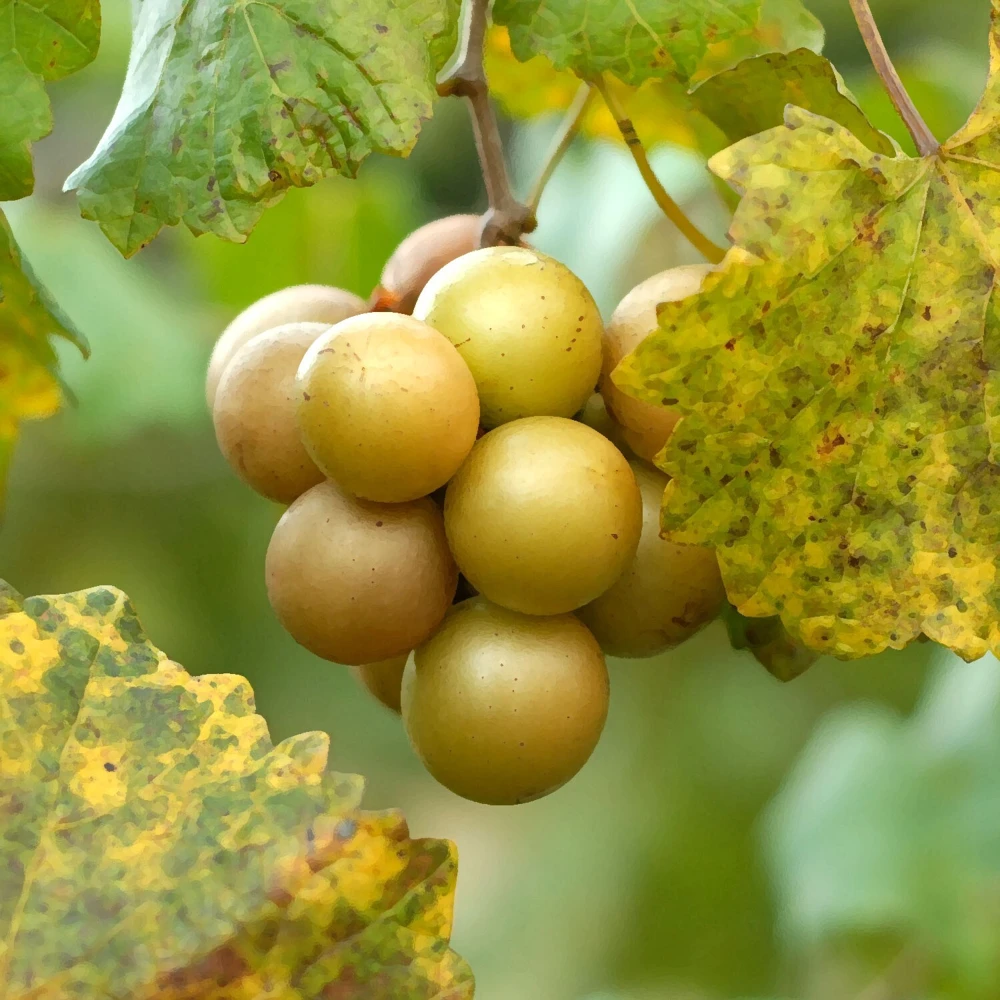
Carlos Muscadine Live Grape Vine Plant – 1-2 Year Old – Edible Bronze Fruit – Outdoor
Original price was: $84.99.$64.99Current price is: $64.99.
Cultivate your own vineyard with a Carlos Muscadine live plant. This robust 1-2 year old grape vine is ready to be planted outdoors, offering delicious bronze fruit. Enjoy fresh, edible grapes right from your garden with this easy-to-grow variety.
Estimated arrival
Oct 25
Oct 30 - Nov 01
Nov 04 - Nov 08
Shop With Confidence
30-Day Plant Health Guarantee
Arrives damaged? We’ll replace it free — see our return policy.
Responsive Support
Email us anytime, we reply within 1 business day.
Expert Packaging
Temperature-controlled shipping to protect your plants in transit.
Secure Checkout
Pay safely with Visa, Mastercard, PayPal.
Plant Specifications
-
USDA Hardiness Zone
USDA Zones 7-10 -
Soil Type
Well-draining, slightly acidic to neutral soil -
Sunlight Exposure
Full sun (6-8 hours daily) -
Expected Planting Period
Early spring or early fall
Overview
Bring the joy of homegrown fruit to your garden with this impressive Carlos Muscadine live plant. Known for its delicious bronze-colored grapes, the Carlos Muscadine is a popular and reliable variety, perfect for both novice and experienced gardeners. This 1-2 year old vine arrives ready for planting, offering a head start on establishing a productive grape arbor or trellis. Muscadine grapes (Vitis rotundifolia) are native to the southeastern United States, making them exceptionally well-suited to warmer climates and resistant to many common grape diseases. Whether you’re looking to make jams, jellies, wine, or simply enjoy fresh fruit, this Muscadine grape vine is an excellent choice for a bountiful harvest.
The Carlos Muscadine is a self-fertile variety, meaning you only need one plant to produce fruit, though planting multiple vines can increase yields. Its vigorous growth and disease resistance make it a low-maintenance addition to your edible landscape. Prepare to enjoy sweet, juicy grapes that are not only tasty but also packed with antioxidants. This resilient plant promises years of rewarding harvests, transforming your outdoor space into a productive and beautiful area.
Key Benefits
The Carlos Muscadine live plant offers numerous advantages for any gardener or fruit enthusiast.
- Delicious Edible Fruit: Enjoy a consistent harvest of sweet, juicy, bronze-colored Muscadine grapes. These grapes are excellent for fresh eating, making preserves, juices, or even homemade wine. The flavor is distinct and highly prized.
- High Yield Potential: Once established, these vigorous vines produce an abundance of fruit, ensuring a generous crop each season. This makes it a rewarding plant for those interested in growing Muscadine grapes for personal consumption or sharing.
- Disease Resistance: Muscadines are naturally resistant to many fungal diseases that plague European grape varieties, reducing the need for extensive chemical treatments and making them a more organic choice.
- Adaptable and Hardy: This vine is well-adapted to warm, humid climates, thriving in USDA Zones 7-10. It’s a robust plant that can withstand various environmental conditions once established.
- Self-Fertile Variety: The Carlos Muscadine is self-pollinating, meaning you only need one plant to get fruit. This simplifies planting and ensures a harvest even if you have limited space.
- Long-Lived Production: With proper care, a Muscadine grape vine can produce for many decades, becoming a long-term investment in your edible garden.
- Attractive Landscape Addition: Beyond its fruit, the vibrant green foliage and climbing habit of the vine add an attractive, natural element to arbors, pergolas, and fences, enhancing garden aesthetics.
Plant Care & Growing Tips
Caring for your Carlos Muscadine live plant is straightforward, ensuring a healthy vine and abundant harvests. Muscadines thrive in full sun, requiring at least 6-8 hours of direct sunlight daily for optimal growth and fruit production. Choose a location with good air circulation to prevent potential fungal issues. Dig a hole twice as wide as the root ball and just as deep, ensuring the crown of the plant is level with the soil surface. Muscadines prefer well-draining, slightly acidic to neutral soil (pH 5.5-7.0). Amend heavy clay soils with organic matter like compost to improve drainage and fertility. Avoid planting in areas where water tends to stand.
Watering is crucial during the establishment phase. Water deeply 2-3 times a week for the first year, especially during dry spells. Once established, Muscadines are relatively drought-tolerant but will benefit from consistent watering during fruit development. Fertilize your Carlos Muscadine live plant in early spring with a balanced fertilizer, and again after fruit set. Avoid high-nitrogen fertilizers as they can promote excessive vine growth at the expense of fruit production. Pruning is essential for maintaining vine health and maximizing yields. In late winter, prune back last year’s growth, leaving 2-4 buds on each spur. Remove any dead, damaged, or crossing branches.
Provide a sturdy support structure, such as an arbor, trellis, or fence, as Muscadine vines are vigorous climbers. Train young vines to grow along these supports. Monitor for common pests like Japanese beetles and diseases, though Muscadines are generally quite resistant. Regular observation allows for early intervention if any issues arise. With these simple care tips, your edible grape plant will flourish and provide you with delicious fruit for years to come. For specific advice on growing Muscadine grapes in your region, consult local horticultural resources.
Size & Details
This offering is for one Carlos Muscadine live plant, typically 1-2 years old, ensuring a well-rooted and established specimen ready for immediate planting. The plant will arrive in a dormant or semi-dormant state, depending on the season, and will be carefully packaged to protect its root system during transit. While exact dimensions vary, you can expect a vine with a healthy root ball and initial stem growth, ready to be trained. Muscadine vines are known for their vigorous growth, and with proper support, they can reach lengths of 15-20 feet or more, providing ample space for fruit production. Expect your plant to begin producing fruit within 2-3 years, with increasing yields as it matures.
The bronze Muscadine fruit typically ripens in late summer to early fall, offering a sweet and tangy flavor profile. Each vine is grown with care to ensure it is healthy and free from pests and diseases upon shipment. Planting this 1-2 year old vine gives you a significant advantage over starting from seed, allowing for quicker establishment and earlier fruit production. The plant is suitable for outdoor cultivation and will thrive when given adequate space and sunlight.
Frequently Asked Questions
- Q: How big does this Carlos Muscadine live plant get? A: This 1-2 year old vine will grow vigorously. With proper support like an arbor or trellis, it can reach lengths of 15-20 feet or more, providing extensive coverage and fruit-bearing capacity.
- Q: Is this an indoor or outdoor plant? A: The Carlos Muscadine live plant is an outdoor plant. It requires full sun exposure and is best suited for growing in a garden, vineyard, or on a sturdy outdoor support structure.
- Q: How much sunlight does the Muscadine grape vine need? A: For optimal growth and fruit production, your Muscadine grape vine needs at least 6-8 hours of direct full sun daily. Choose a sunny location for planting.
- Q: Is this plant easy to care for? Is it good for beginners? A: Yes, Muscadine grapes, including the Carlos variety, are generally considered easy to care for, especially due to their disease resistance. They are an excellent choice for beginner fruit growers.
- Q: What condition will the plant arrive in? A: Your Carlos Muscadine live plant will arrive well-packaged, with its root system protected. Depending on the season, it may be dormant or show early signs of growth, ready for planting.
- Q: How long until it blooms and produces fruit? A: You can typically expect your 1-2 year old Muscadine vine to begin producing fruit within 2-3 years after planting, with yields increasing significantly as the plant matures.
- Q: Will it survive winter in my zone? A: The Carlos Muscadine is hardy in USDA Zones 7-10. If you are in these zones, it should survive winter outdoors. In colder zones, winter protection may be necessary or it may not be suitable for outdoor cultivation.
- Q: Can I make wine from these grapes? A: Yes, Carlos Muscadine grapes are a popular choice for making homemade wine, as well as juices, jellies, and jams. The unique flavor is well-suited for various culinary applications.
- Q: What is the best time to plant this edible grape plant? A: The best time to plant your edible grape plant is typically in early spring after the last frost, or in early fall before the ground freezes, allowing the roots to establish before extreme temperatures.
- Q: What kind of soil does this bronze Muscadine prefer? A: This bronze Muscadine thrives in well-draining soil with a slightly acidic to neutral pH (5.5-7.0). Good drainage is key to preventing root rot.
Be the first to review “Carlos Muscadine Live Grape Vine Plant – 1-2 Year Old – Edible Bronze Fruit – Outdoor”
People Also Viewed



Flower Seeds

Reviews
There are no reviews yet.