
Culver’s Root Veronicastrum Virginicum Live Plant, Native Perennial, 4-8″ Tall Potted Starter
Original price was: $33.98.$24.99Current price is: $24.99.
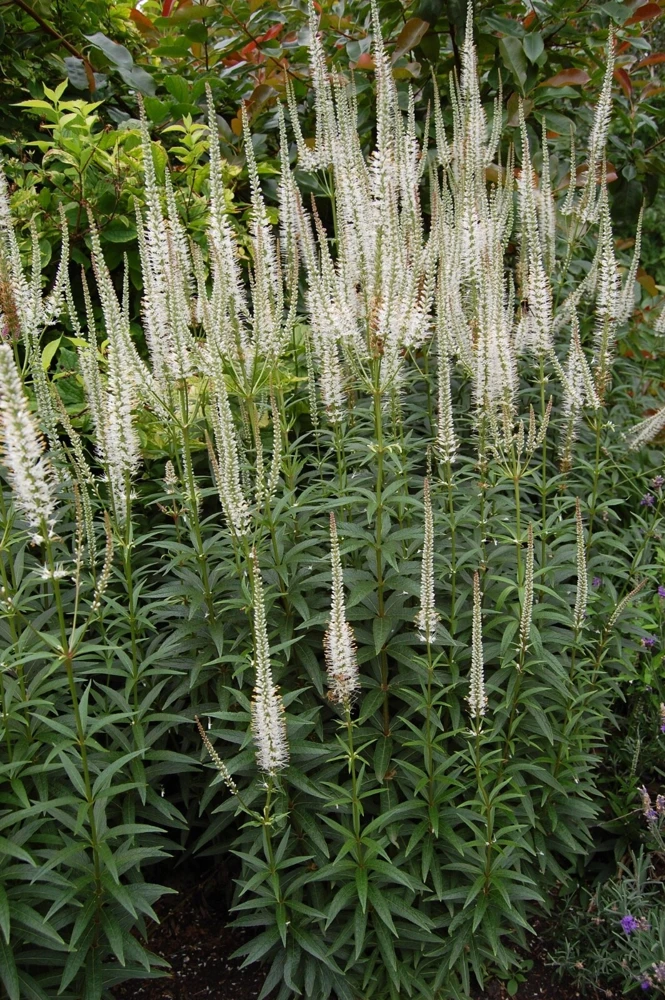
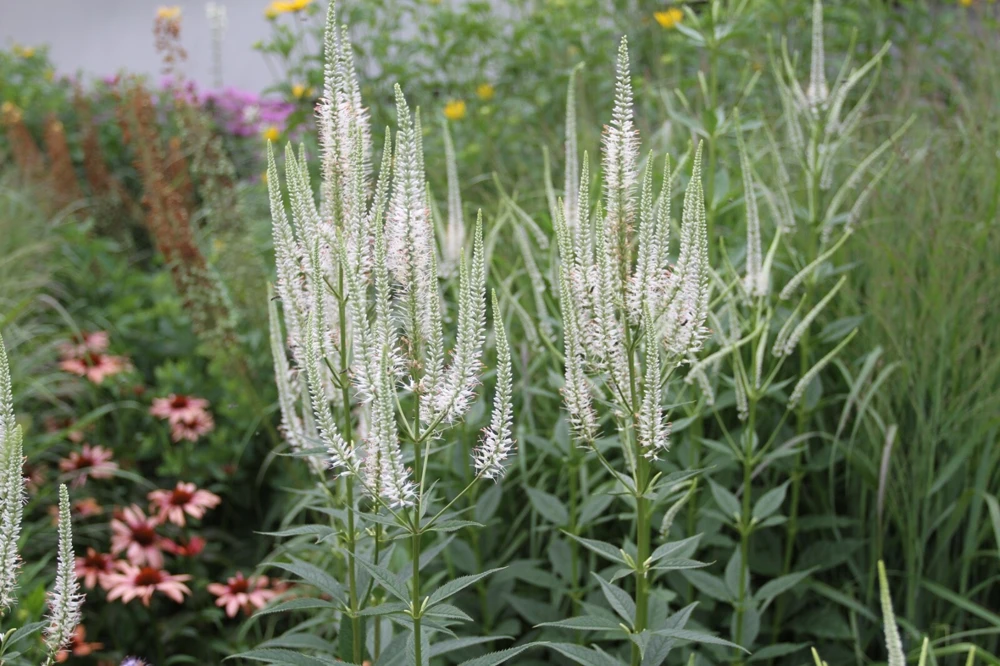
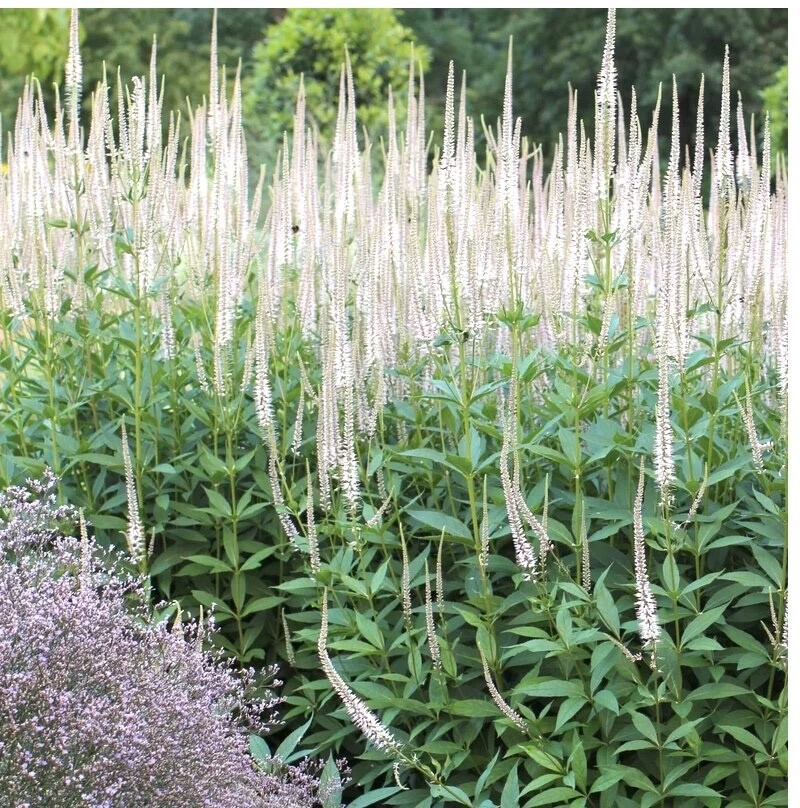
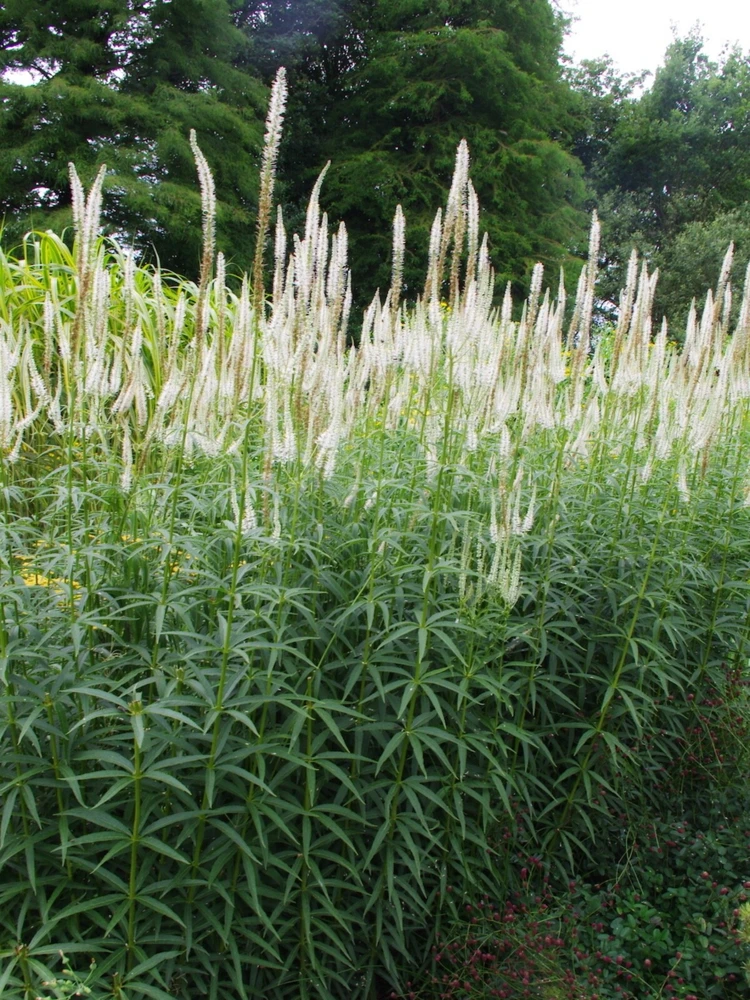
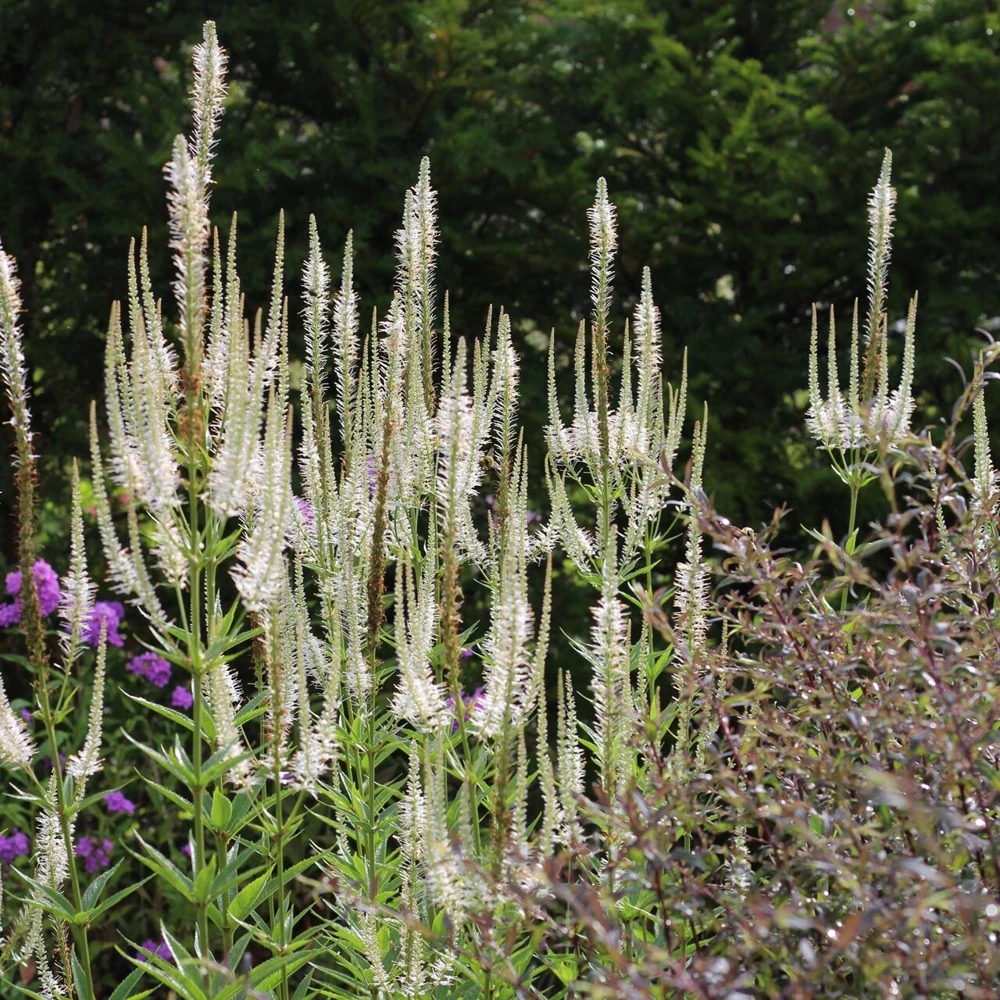
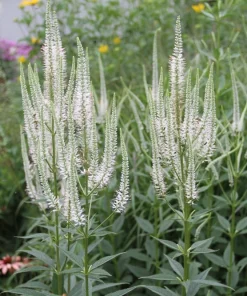
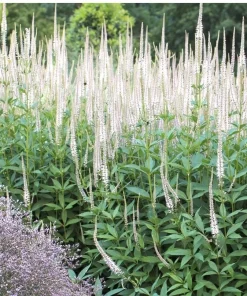
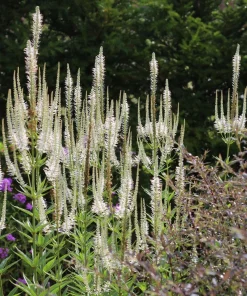
Add a stunning native perennial to your garden with this Culver’s Root live plant. Known for its elegant white to lavender flower spikes and attractive foliage, Veronicastrum virginicum is a low-maintenance, pollinator-friendly choice for outdoor landscapes.
Estimated arrival
Oct 15
Oct 20 - Oct 22
Oct 25 - Oct 29
Shop With Confidence
30-Day Plant Health Guarantee
Arrives damaged? We’ll replace it free — see our return policy.
Responsive Support
Email us anytime, we reply within 1 business day.
Expert Packaging
Temperature-controlled shipping to protect your plants in transit.
Secure Checkout
Pay safely with Visa, Mastercard, PayPal.
Plant Specifications
-
USDA Hardiness Zone
unknown -
Soil Type
Clay, Loam, Sand (Well-draining) -
Sunlight Exposure
Full Sun, Medium Sun -
Expected Planting Period
Spring to Fall
Overview
Transform your garden into a vibrant haven with the addition of a beautiful Culver’s Root live plant. This exquisite native perennial, scientifically known as Veronicastrum virginicum, offers a truly unique vertical accent to any landscape. Revered for its tall, stately spires adorned with delicate white to lavender flowers, Culver’s Root live plant is a favorite among gardeners seeking both aesthetic appeal and ecological benefits. As a robust and resilient plant, it thrives in a variety of conditions, making it an excellent choice for both experienced horticulturists and those just beginning their gardening journey. Its striking appearance and long blooming season ensure continuous interest in your outdoor space, attracting beneficial insects and adding a touch of wild elegance.
This starter plant is a healthy, well-rooted specimen, measuring approximately 4-8 inches tall and shipped in a 2.5″x3.5″ pot, ready for planting. The genus Veronicastrum is celebrated for its architectural form and ability to provide height and structure to garden beds. The common name, Culver’s Root, pays homage to Dr. Culver, who reportedly used the plant for medicinal purposes. Its natural beauty and ease of care make it an increasingly popular choice for native plant gardens, cottage gardens, and perennial borders across the United States. Experience the joy of cultivating this magnificent plant and watch your garden come alive with its charm.
Key Benefits
Choosing a Culver’s Root live plant for your garden brings a multitude of advantages, enhancing both the beauty and biodiversity of your outdoor environment. This native perennial is not only visually appealing but also contributes significantly to a healthy ecosystem.
- Attracts Pollinators: The tall flower spikes are a magnet for bees, butterflies, and other beneficial pollinators, supporting local ecosystems and encouraging biodiversity in your garden. This makes the Culver’s Root live plant an essential component of any pollinator garden.
- Low Maintenance: Once established, Veronicastrum virginicum is remarkably drought-resistant and requires minimal care, making it an ideal choice for busy gardeners or those seeking an effortless yet stunning landscape.
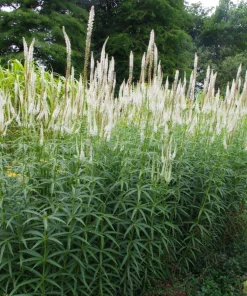
- Architectural Interest: Its upright, clumping growth habit and stately flower spires provide excellent vertical interest and structure to garden beds, creating a dynamic and layered look.
- Long Blooming Season: Enjoy beautiful white to lavender blooms from summer into fall, providing continuous color and texture when many other plants are fading.
- Native Resilience: Being a native plant, it is naturally adapted to regional climates and soil conditions, leading to greater vigor and resistance to local pests and diseases.
- Child and Pet Safe: This plant is considered non-toxic, offering peace of mind for households with children and pets who might explore the garden.
- Versatile Soil Tolerance: It can thrive in a range of soil types including clay, loam, and sand, provided there is adequate drainage.
Plant Care & Growing Tips
Caring for your Culver’s Root live plant is straightforward, ensuring a thriving and beautiful addition to your garden. This hardy perennial prefers full sun to medium sun exposure, meaning it should receive at least 6 hours of direct sunlight daily for optimal flowering and growth. While it can tolerate some partial shade, too much shade may result in leggy growth and fewer blooms. Ensure good air circulation around the plant to prevent fungal issues, especially in humid climates. The ideal climate for Veronicastrum virginicum includes humid temperature regions, where it can flourish with consistent moisture.
When it comes to watering, Culver’s Root live plant prefers medium moisture levels. It’s important to keep the soil consistently moist, especially during dry spells and in its first year of establishment. Once mature, it develops good drought resistance. For soil, this plant is adaptable, growing well in clay, loam, and sand, provided the soil is well-draining. A neutral soil pH is preferred. Fertilization is generally not heavily required; a light application of a balanced slow-release fertilizer in spring can encourage vigorous growth. To maintain a tidy appearance and encourage more blooms, deadhead spent flowers. The plant generally has a medium growth rate, forming attractive clumps over time.
Understanding Veronicastrum virginicum care will help ensure its long-term health and beauty. This plant is relatively pest and disease-free. Ensure adequate spacing to allow for its mature size and to promote air circulation. In colder regions, a layer of mulch around the base in late fall can help protect the roots through winter. The Culver’s Root growing tips mentioned here will help you cultivate a robust and beautiful specimen that will grace your garden for many years, providing a stunning display of native flora and attracting essential pollinators.
Size & Details
This offering is for one healthy, well-rooted Culver’s Root live plant, Veronicastrum virginicum, in a starter size. Each plant typically stands between 4-8 inches tall upon arrival and is shipped in a 2.5″x3.5″ pot, ensuring it has a strong root system ready for transplanting. This native perennial exhibits a clumping growth habit, gradually expanding to form an impressive presence in the garden. Its broadleaf foliage provides a lush green backdrop for the elegant flower spikes that emerge in summer and continue into fall, offering prolonged seasonal interest.
As a seedling, this plant is at an ideal stage for establishing in your garden, allowing it to acclimate to its new environment and grow into a mature specimen. With a medium growth rate, you can expect it to reach its full potential within a few seasons. Mature plants can grow quite tall, often reaching 3-6 feet in height, depending on growing conditions. The flowers typically range from white to lavender, providing a soft, appealing color palette to your outdoor space. This plant is designed for outdoor cultivation and is known for its low-maintenance and drought-resistant features once established.
Frequently Asked Questions
- Q: How big does this plant get? A: This Culver’s Root live plant is a starter, typically 4-8 inches tall. When mature, Veronicastrum virginicum can reach heights of 3 to 6 feet, forming an upright, clumping habit.
- Q: What size pot does it come in? A: Each starter plant is shipped in a 2.5″x3.5″ pot, providing a well-rooted foundation for successful transplanting into your garden.
- Q: Is this an indoor or outdoor plant? A: Culver’s Root live plant is an outdoor perennial. It thrives in garden beds and naturalized areas, not typically as an indoor houseplant.
- Q: How much sunlight does it need? A: This plant prefers full sun to medium sun, ideally receiving at least 6 hours of direct sunlight per day to ensure vigorous growth and abundant flowering.
- Q: Is this plant easy to care for? A: Yes, Culver’s Root live plant is considered low-maintenance once established. It is drought-resistant and relatively free from pests and diseases, making Veronicastrum virginicum care relatively simple.
- Q: What condition will it arrive in? A: Your plant will arrive as a healthy, well-rooted starter plant, carefully packaged to ensure its safe journey to your garden.
- Q: Is it shipped in soil? A: Yes, the plant is shipped in its 2.5″x3.5″ pot with soil, ensuring its roots remain undisturbed and moist during transit.
- Q: Can I use Culver’s Root growing tips for container planting? A: While primarily a garden plant, it can be grown in large containers, though it may not reach its full mature height. Ensure excellent drainage and consistent watering for container-grown plants.
- Q: Is it pet-safe? A: Yes, Veronicastrum virginicum is generally considered child-safe and pet-safe, offering peace of mind for families.
- Q: When is the best time to plant? A: The best time to plant your Culver’s Root live plant is in spring or early fall, allowing it ample time to establish before extreme temperatures.
- Q: Will it survive winter in my zone? A: This plant is a hardy perennial. Its hardiness generally spans a broad range, and it is well-suited for humid temperature regions.
Be the first to review “Culver’s Root Veronicastrum Virginicum Live Plant, Native Perennial, 4-8″ Tall Potted Starter”
People Also Viewed
Flower Seeds
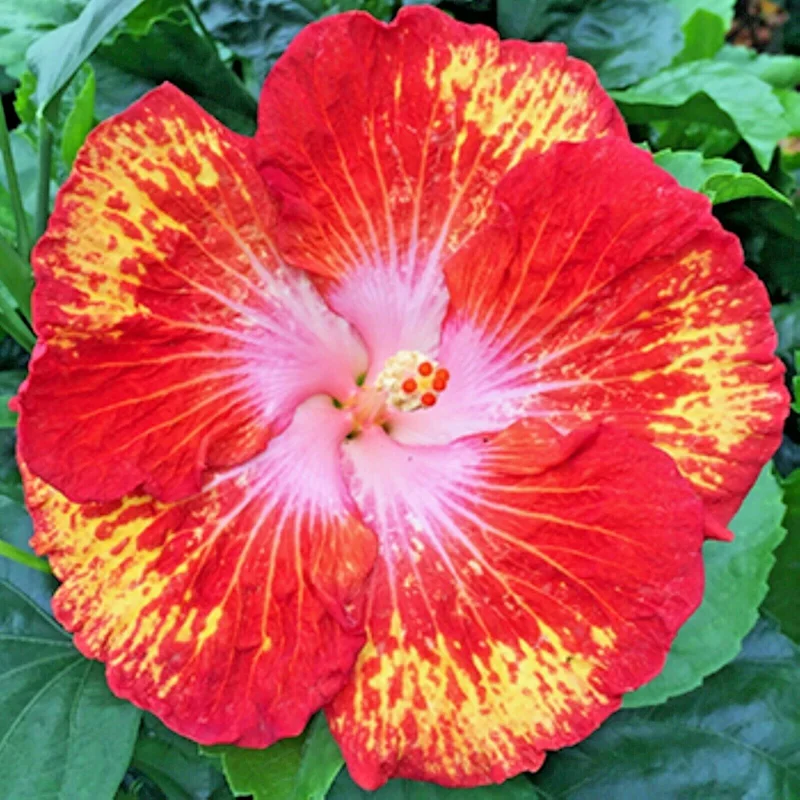
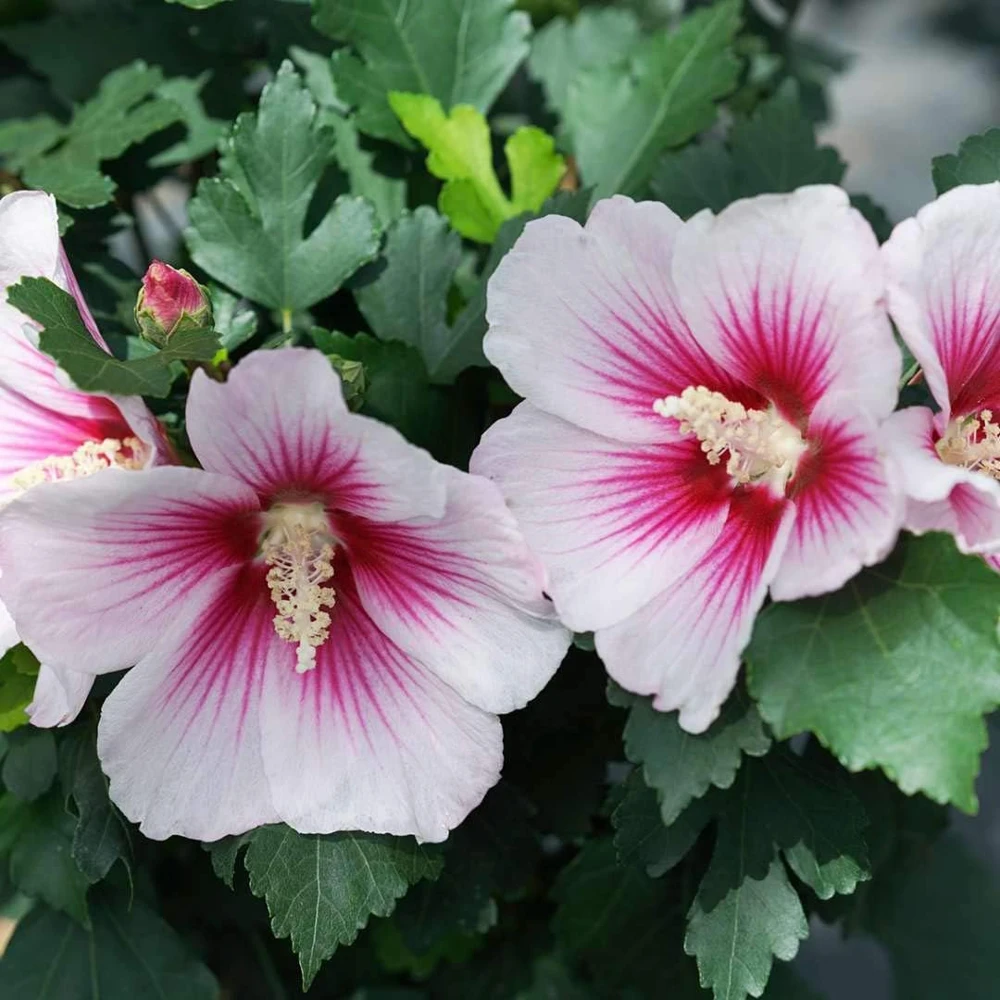
Rose of Sharon Hibiscus Moscheutos Seeds – Pink Flower Seed Pack for Indoor & Outdoor Planting
Reviews
There are no reviews yet.