
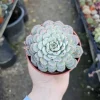
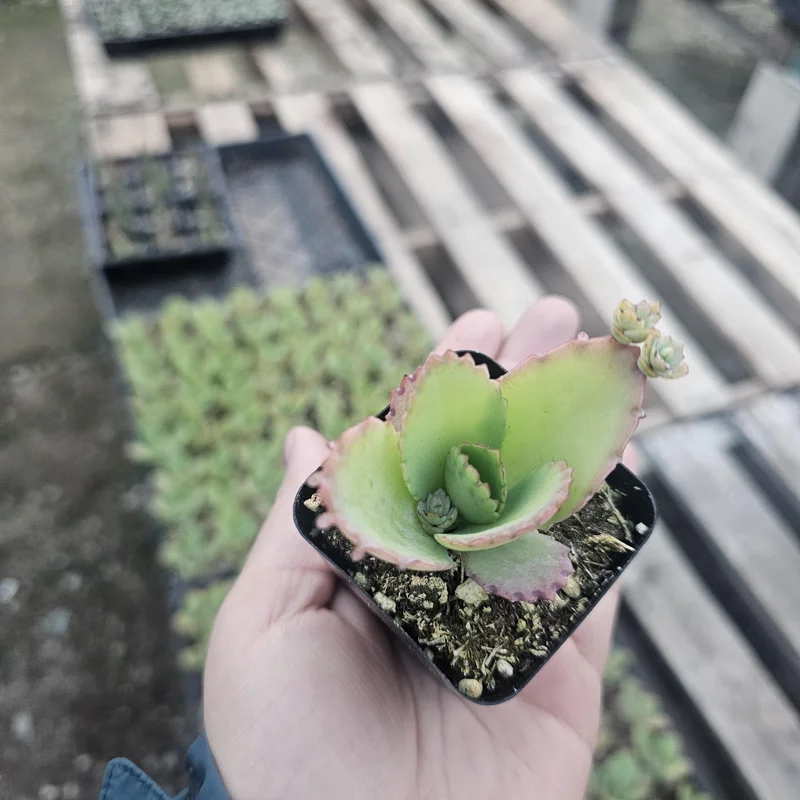
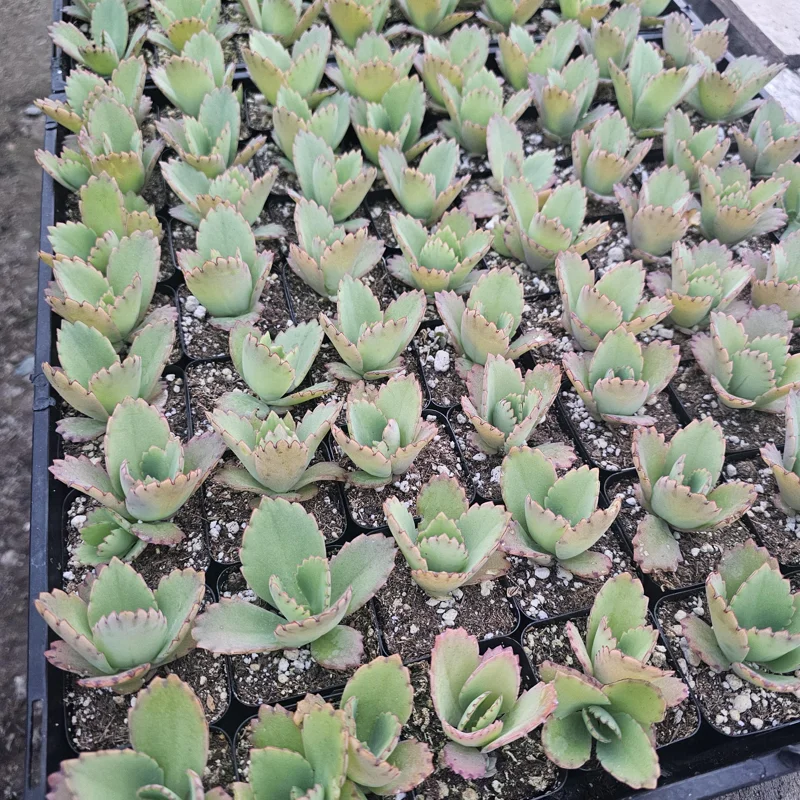
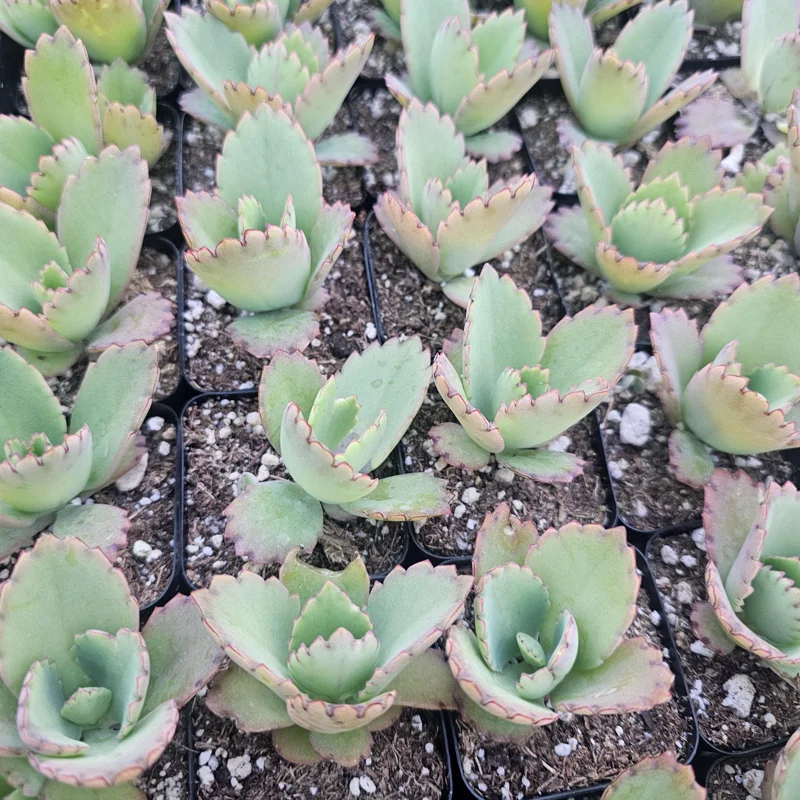
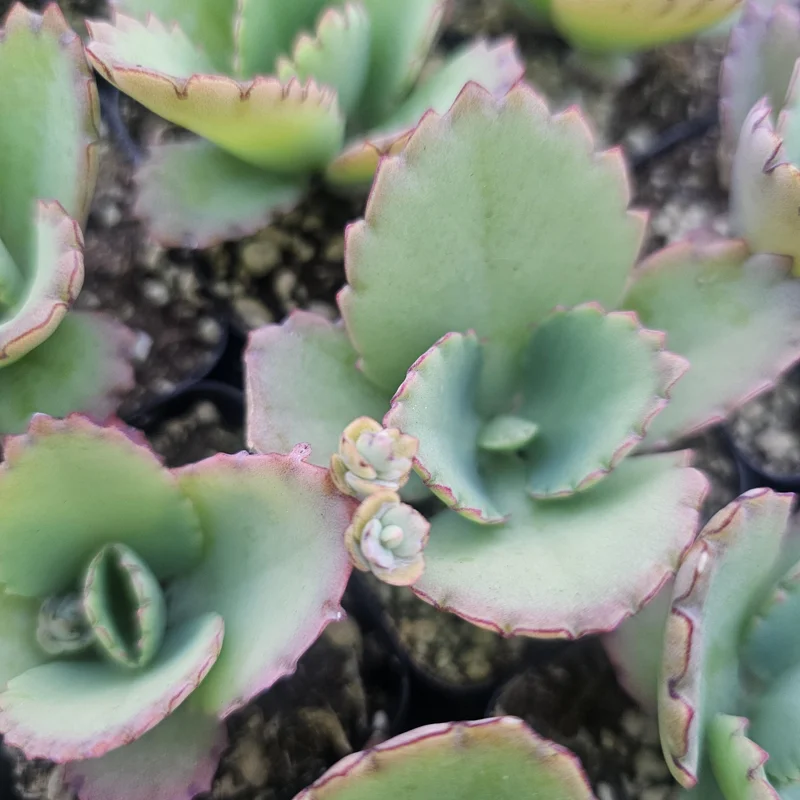
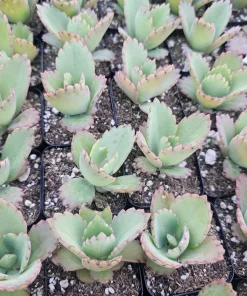
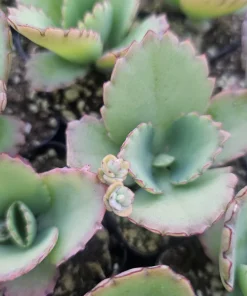
Mother of Thousands Kalanchoe daigremontiana Live Plant 2in or 4in Pot Succulent
Original price was: $54.99.$29.99Current price is: $29.99.
Bring home a unique Kalanchoe daigremontiana live plant, famously known as Mother of Thousands succulent. This fascinating succulent is perfect for bright indoor spaces, known for its prolific production of baby plantlets along its leaves. Ideal for collectors and those seeking an easy care Kalanchoe.
Estimated arrival
Oct 15
Oct 20 - Oct 22
Oct 25 - Oct 29
Shop With Confidence
30-Day Plant Health Guarantee
Arrives damaged? We’ll replace it free — see our return policy.
Responsive Support
Email us anytime, we reply within 1 business day.
Expert Packaging
Temperature-controlled shipping to protect your plants in transit.
Secure Checkout
Pay safely with Visa, Mastercard, PayPal.
Plant Specifications
-
USDA Hardiness Zone
USDA zones 9–11 (outdoors) / Year-round (indoors) -
Soil Type
Well-draining cactus/succulent mix -
Sunlight Exposure
Bright, indirect light to full sun -
Expected Planting Period
Year-round indoors
Overview
Welcome the captivating Kalanchoe daigremontiana live plant, affectionately known as the Mother of Thousands succulent, into your home or garden. This extraordinary succulent is celebrated for its unique reproductive strategy, where numerous tiny plantlets, or ‘babies,’ form along the edges of its leaves. These miniature replicas easily detach and root, quickly establishing new plants. This prolific growth habit makes the Mother of Thousands succulent a truly fascinating specimen for both seasoned plant enthusiasts and curious beginners alike. Its resilience and distinctive appearance add a touch of botanical intrigue to any collection, making it a conversation starter and a joy to watch grow.
The Kalanchoe daigremontiana is native to Madagascar and thrives in warm, dry environments, making it an excellent choice for indoor cultivation in most climates. Its upright growth habit and architectural form provide a striking visual element. Whether you’re looking to expand your succulent collection or seeking a low-maintenance, high-reward plant, this easy care Kalanchoe is an ideal selection. Each plant is carefully nurtured to ensure it arrives healthy and ready to flourish in its new home, promising years of enjoyment and fascinating propagation opportunities.
Key Benefits
The Kalanchoe daigremontiana live plant offers a multitude of benefits, making it a standout choice for plant lovers. Its unique characteristics contribute to its popularity and ease of care. This remarkable succulent is not only visually appealing but also incredibly rewarding to grow, especially for those new to plant care.
- Unique Propagation: Experience the wonder of nature with this plant’s distinctive method of producing Kalanchoe plantlets along its leaf margins. These ‘babies’ readily root, allowing for effortless propagation and sharing with friends and family. It’s a truly engaging process that highlights the plant’s unique biology.
- Low Maintenance: Perfect for busy individuals or beginners, the Mother of Thousands succulent requires minimal attention. Its drought-tolerant nature means it can withstand periods of neglect, making it an ideal choice for those still developing their green thumb.
- Eye-Catching Appearance: With its striking leaf shape and the charming rows of plantlets, this succulent adds a unique textural and visual element to any indoor space, desk, or windowsill. Its architectural form is sure to draw attention and admiration.
- Air Purification: Like many succulents, the Kalanchoe daigremontiana contributes to a healthier indoor environment by helping to filter airborne toxins, promoting better air quality in your home or office.
- Gift-Ready: Given its fascinating nature and ease of care, this succulent for beginners makes an excellent and thoughtful gift for birthdays, housewarmings, or any occasion. It’s a living gift that keeps on giving through its prolific plantlets.
- Drought Tolerant: Adapted to arid conditions, this plant stores water in its thick leaves, significantly reducing the frequency of watering required compared to many other houseplants. This feature makes it highly forgiving.
- Educational Value: Observing the formation and growth of the Kalanchoe plantlets provides an engaging educational experience, especially for children, teaching them about plant reproduction and life cycles.
Plant Care & Growing Tips
Caring for your Kalanchoe daigremontiana live plant is straightforward, making it an ideal choice for gardeners of all experience levels. Providing the right conditions will ensure a thriving plant that produces abundant Kalanchoe plantlets. This easy care Kalanchoe is quite resilient, but understanding its basic needs will help it reach its full potential.
For optimal growth, provide bright, indirect light to full sun. A south-facing window is often ideal, but ensure it’s not exposed to intense, scorching afternoon sun, especially if moved outdoors. If placed in lower light conditions, the plant may become leggy and produce fewer plantlets. In terms of watering, the Mother of Thousands succulent is drought-tolerant. Allow the soil to dry out completely between waterings to prevent root rot, which is the most common issue for succulents. When you do water, water thoroughly until it drains from the bottom of the pot, then wait until the soil is bone dry again before the next watering. Reduce watering significantly during the cooler, dormant months.
The right soil is crucial for this succulent for beginners. Use a well-draining cactus or succulent mix to ensure proper drainage and aeration. You can also amend regular potting soil with perlite or coarse sand to improve drainage. This plant prefers temperatures between 65-80°F (18-27°C) and can tolerate slightly cooler temperatures but should be protected from frost. Fertilize sparingly during the growing season (spring and summer) with a balanced liquid fertilizer diluted to half strength, typically once a month. Repotting is generally needed only when the plant outgrows its container, usually every 1-2 years. When repotting, choose a pot that is only slightly larger than the previous one and ensure it has drainage holes. Keep an eye out for common pests like mealybugs or aphids, though they are rare for this hardy plant; treat with insecticidal soap if necessary.
Size & Details
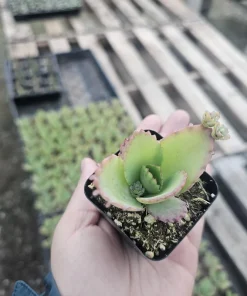
Each Kalanchoe daigremontiana live plant is offered in either a 2-inch or 4-inch nursery pot, providing options suitable for different spaces and stages of growth. The 2-inch potted plant is perfect for starting out or for smaller displays, while the 4-inch option provides a more established specimen. These plants typically exhibit an upright growth habit, reaching heights of 1 to 3 feet (30-90 cm) at maturity, though they can be kept smaller with pruning. The thick, fleshy leaves are often mottled with purplish-brown spots, adding to their visual appeal. Expect a moderate to fast growth rate, especially once established and given ample light, with the characteristic Kalanchoe plantlets forming continuously along the leaf edges.
Your Mother of Thousands succulent will arrive carefully packaged in its nursery pot, ensuring minimal stress during transit. The plant’s robust nature means it adapts well to new environments. While the initial size in the pot refers to the container diameter, the plant itself will vary in height and fullness, consistent with its natural growth patterns. Over time, as the plant matures, it will produce an abundance of plantlets, offering endless opportunities for propagation and sharing. This makes it a truly rewarding and dynamic addition to any plant collection, whether you are a seasoned collector or a succulent for beginners.
Frequently Asked Questions
- Q: How big does this plant get? A: The Kalanchoe daigremontiana live plant typically grows to an upright height of 1 to 3 feet (30-90 cm) at maturity. Its spread is generally narrower, focusing on vertical growth, though it can be pruned to maintain a desired size.
- Q: What size pot does it come in? A: This plant is available in either a 2-inch or 4-inch nursery pot. Both sizes are suitable for establishing the plant, with the 4-inch offering a more mature starting point for your Mother of Thousands succulent.
- Q: Is this an indoor or outdoor plant? A: While it can thrive outdoors in USDA Zones 9–11, the Kalanchoe daigremontiana is most commonly grown as an indoor houseplant due to its sensitivity to frost. It excels in bright indoor environments.
- Q: How much sunlight does it need? A: This easy care Kalanchoe prefers bright, indirect light to full sun. A south-facing window is ideal, but protect it from intense, direct afternoon sun that can scorch its leaves.
- Q: Is this plant easy to care for? A: Yes, the Kalanchoe daigremontiana live plant is considered very easy to care for, making it an excellent succulent for beginners. Its drought tolerance and minimal care requirements contribute to its beginner-friendly nature.
- Q: How often should I water my Mother of Thousands? A: Water only when the soil has completely dried out. Succulents are prone to root rot if overwatered, so it’s better to underwater than overwater. Reduce frequency during cooler months.
- Q: Can I propagate the Kalanchoe plantlets? A: Absolutely! The Kalanchoe plantlets that form along the leaf edges are designed for easy propagation. Simply pluck them off and place them on top of well-draining soil, and they will readily root.
- Q: Is the Mother of Thousands pet-safe? A: No, Kalanchoe species are generally considered toxic to pets if ingested. It’s best to keep this plant out of reach of curious animals.
- Q: What type of soil is best for this succulent? A: A well-draining cactus or succulent potting mix is ideal. You can also create your own by mixing regular potting soil with perlite or coarse sand to enhance drainage.
- Q: When is the best time to fertilize? A: Fertilize sparingly during the active growing season (spring and summer) with a diluted liquid succulent fertilizer, typically once a month. Avoid fertilizing in fall and winter.
| Size | 2In Pot, 4In Pot |
|---|---|
| Option | 1, Bundle Of 2 |
Be the first to review “Mother of Thousands Kalanchoe daigremontiana Live Plant 2in or 4in Pot Succulent”
People Also Viewed
Reviews
There are no reviews yet.