
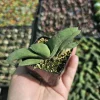
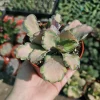
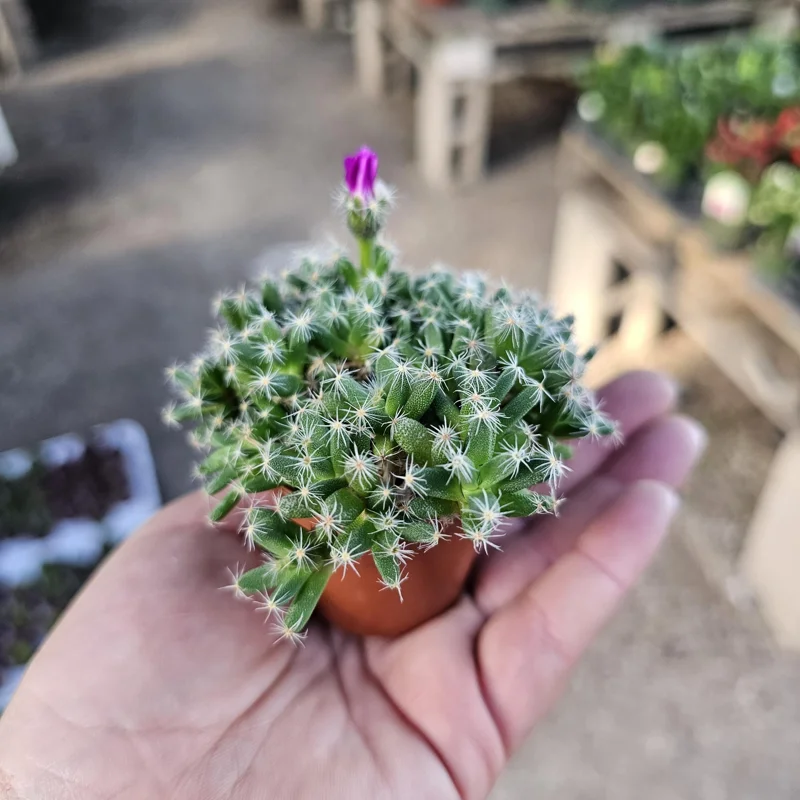
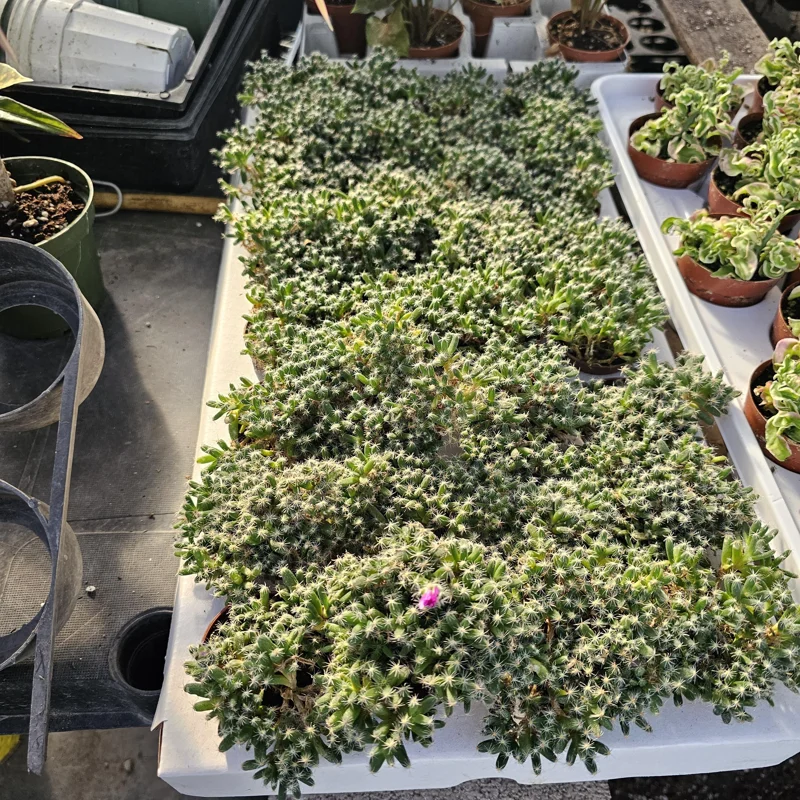
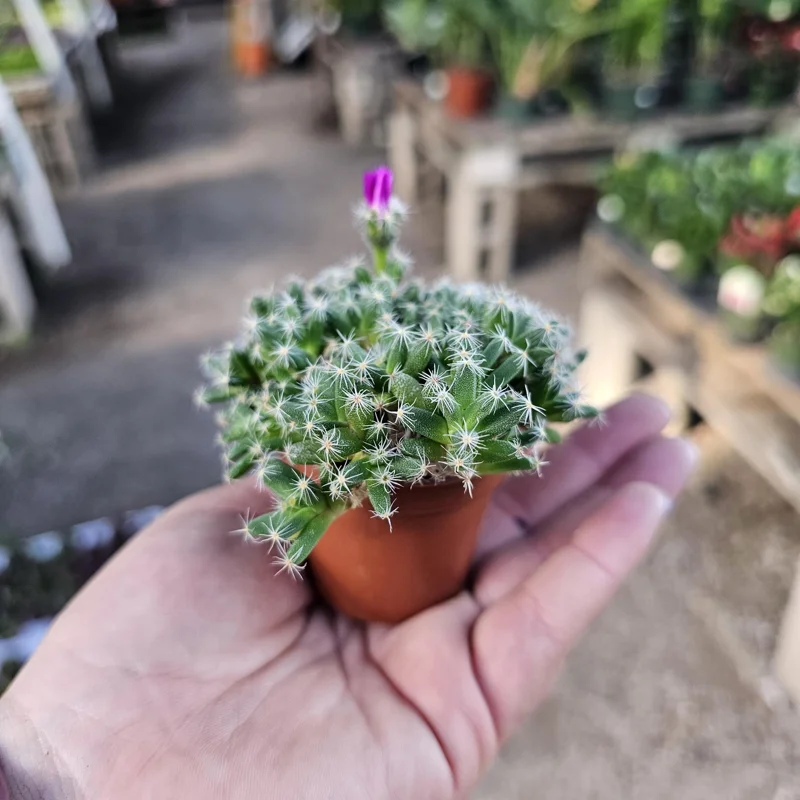
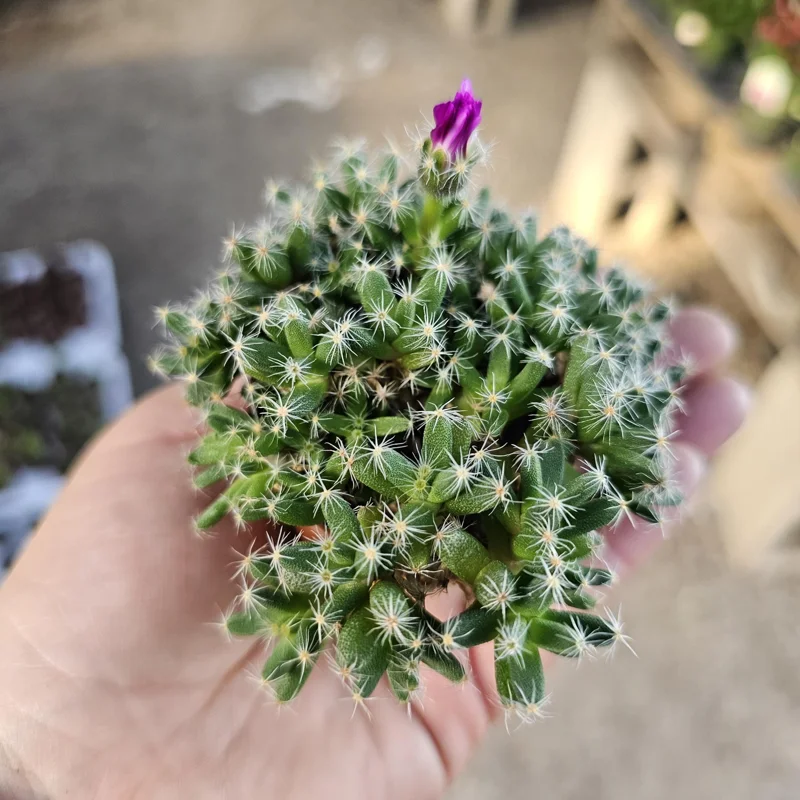
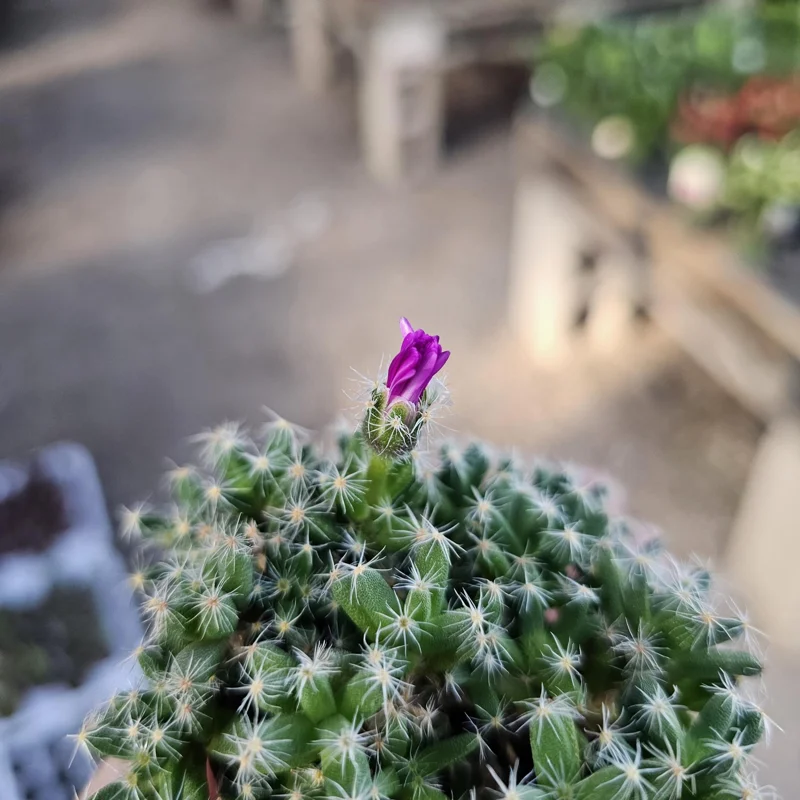
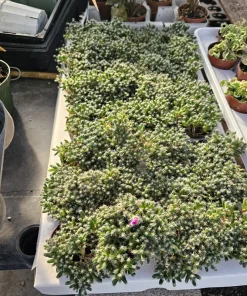
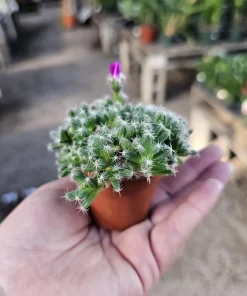
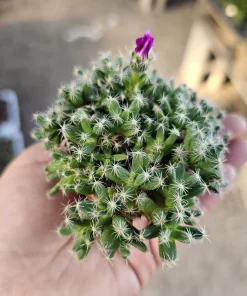
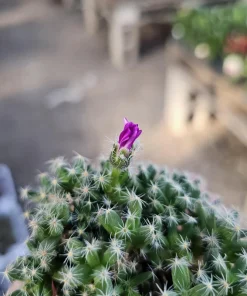
African Bonsai Live Plant – Trichodiadema densum Mini Succulent 2in Pot
Original price was: $60.99.$35.99Current price is: $35.99.
Bring home a unique African Bonsai live plant (Trichodiadema densum), a captivating mini succulent bonsai tree. This hardy, drought-tolerant plant is perfect for bonsai beginners and succulent collectors, developing a beautiful caudex-style trunk and potentially producing vibrant purple flowers. Ideal as a desk plant or thoughtful gift.
Estimated arrival
Oct 15
Oct 20 - Oct 22
Oct 25 - Oct 29
Shop With Confidence
30-Day Plant Health Guarantee
Arrives damaged? We’ll replace it free — see our return policy.
Responsive Support
Email us anytime, we reply within 1 business day.
Expert Packaging
Temperature-controlled shipping to protect your plants in transit.
Secure Checkout
Pay safely with Visa, Mastercard, PayPal.
Plant Specifications
-
USDA Hardiness Zone
USDA zones 9-11 (outdoors), otherwise grown indoors -
Soil Type
Well-draining cactus or succulent mix -
Sunlight Exposure
Bright light to full sun -
Expected Planting Period
Year-round indoors
Overview
Introduce a touch of exotic beauty to your home with the captivating African Bonsai live plant, scientifically known as Trichodiadema densum. This remarkable succulent, native to the arid landscapes of South Africa, is celebrated for its unique ability to form a thick, woody base and delicate branching stems, mimicking the appearance of a natural bonsai tree. It’s an ideal choice for both seasoned succulent enthusiasts and those looking for an intriguing bonsai starter plant. The Trichodiadema densum offers a fascinating growth habit, developing a distinctive caudex-style trunk over time that adds to its charm and appeal, making it a standout feature in any plant collection. Its resilience and unique aesthetics ensure it will be a conversation starter and a cherished addition to your indoor garden.
The African Bonsai live plant is not just a visual delight; it’s also a testament to nature’s artistry. Its common name, African Bonsai, perfectly captures its miniature tree-like form. This plant is a true gem for anyone seeking a low-maintenance yet striking botanical specimen. Its robust nature and ability to thrive in various indoor conditions make it an accessible entry point into the world of caudex plants and succulents. With proper care, this miniature wonder can reward you with delicate, daisy-like purple flowers during its growing season, further enhancing its appeal as a dynamic and evolving piece of living art.
Key Benefits
The African Bonsai live plant offers a multitude of benefits, making it an excellent choice for a wide range of plant lovers. Its unique characteristics contribute to both its aesthetic appeal and ease of care, ensuring a rewarding experience.
- Unique Aesthetic Appeal: This mini succulent bonsai forms a thick, woody base and fine branching stems, creating a natural bonsai look. It’s a living sculpture that adds an artistic touch to any space, perfect for unique desk plants or decorative accents.
- Caudex Development: Over time, the Trichodiadema densum develops a beautiful caudex-style trunk, which is highly sought after by succulent collectors. This feature adds character and interest, making each plant a unique specimen.
- Easy Care & Drought Tolerance: As a succulent, the African Bonsai live plant is incredibly hardy and drought-tolerant, requiring minimal watering. This makes it an excellent choice for busy individuals or those new to plant care, reducing the stress of constant maintenance.
- Beginner-Friendly Bonsai: Its forgiving nature and ease of shaping with pruning make it an ideal easy bonsai starter. You can enjoy the art of bonsai without the demanding requirements of traditional bonsai trees.
- Potential for Beautiful Flowers: In the right conditions, mature plants can produce bright, daisy-like magenta or purple flowers, adding an unexpected pop of color and charm to this already unusual plant.
- Compact Size: Perfect for small spaces, desks, windowsills, or shelves, its miniature size allows it to fit almost anywhere, bringing natural beauty into urban environments.
- Collector’s Item: Considered a rare caudex plant, it’s a valuable addition for serious succulent and bonsai collectors looking for distinctive and less common species.
Plant Care & Growing Tips
Caring for your African Bonsai live plant (Trichodiadema densum) is relatively straightforward, making it an enjoyable experience for both novice and experienced plant enthusiasts. Providing the right conditions will ensure your plant thrives and develops its unique caudex and potential blooms. This mini succulent bonsai prefers bright light to full sun. Place it in a location where it can receive at least 4-6 hours of direct sunlight per day, such as a south-facing window. If grown outdoors, ensure it is in a spot with morning sun and some afternoon shade in hotter climates to prevent scorching. Adequate light is crucial for compact growth and healthy caudex development, contributing to its appeal as an easy bonsai starter.
When it comes to watering, the key is moderation and allowing the soil to dry out completely between waterings. As a succulent, the Trichodiadema densum is highly drought-tolerant and susceptible to root rot if overwatered. During the active growing season (spring and summer), water thoroughly but infrequently. Reduce watering significantly in the cooler months, as the plant enters a period of dormancy. For soil, a well-draining cactus or succulent mix is essential. This type of soil prevents waterlogging and provides the aeration necessary for healthy root growth. You can create your own mix by combining potting soil with perlite, pumice, or coarse sand. The plant generally prefers temperatures between 60-80°F (15-27°C) and can tolerate slightly cooler temperatures but should be protected from frost. It is not cold-hardy, so bring it indoors if temperatures drop below 40°F (4°C). Fertilize sparingly, if at all, during the growing season with a diluted succulent fertilizer. Pruning can be done to shape the plant and encourage branching, making it an excellent candidate for bonsai training. The plant responds well to shaping, allowing you to cultivate its desired form, emphasizing its role as an African Bonsai live plant.
Size & Details
Each African Bonsai live plant (Trichodiadema densum) is a unique specimen, typically delivered in a 2-inch nursery pot. While individual plants may vary slightly in shape and size, they generally present as compact, miniature succulent bonsai trees, ideal for desk display or small collections. The plant’s growth habit is characterized by its ability to form a distinctive woody base, or caudex, which will continue to develop and become more pronounced over time, enhancing its aesthetic value as a rare caudex plant. The fine branching stems contribute to its natural bonsai appearance, offering an intriguing visual element.
These plants are shipped as live, rooted specimens, ready to be nurtured and grown. They are known for their relatively slow to moderate growth rate, allowing you to enjoy their evolving form without constant repotting. The mature size can vary depending on cultural conditions and pruning, but they generally remain small, making them perfect for indoor environments. Expect your mini succulent bonsai to develop its full caudex character and potentially produce its vibrant magenta flowers as it matures under optimal care, becoming a truly rewarding plant to observe and cultivate.
Frequently Asked Questions
- Q: How big does this plant get? A: The African Bonsai live plant typically remains compact, making it an ideal miniature plant for indoor spaces. Its size can be managed through pruning, and while the caudex will thicken, the overall plant usually stays desk-friendly.
- Q: Is this an indoor or outdoor plant? A: While it can tolerate outdoor conditions in warm, frost-free climates, the Trichodiadema densum is primarily grown as an indoor plant in most regions, especially where temperatures drop below 40°F (4°C).
- Q: How much sunlight does it need? A: This mini succulent bonsai thrives in bright light to full sun. Aim for at least 4-6 hours of direct sunlight daily, such as a south-facing window, for optimal growth and flowering.
- Q: Is this plant easy to care for? A: Yes, the African Bonsai live plant is considered easy to care for due to its drought tolerance and hardy nature, making it an excellent easy bonsai starter for beginners.
- Q: What condition will it arrive in? A: Your plant will arrive as a live, rooted specimen in a 2-inch nursery pot, carefully packaged to minimize stress during transit. Minor cosmetic imperfections are natural for live plants.
- Q: How long until it blooms? A: Mature Trichodiadema densum plants, when provided with optimal light and care conditions, may produce beautiful magenta/purple flowers during their growing season, typically in spring or summer.
- Q: What type of soil is best for this plant? A: A well-draining cactus or succulent mix is crucial for the health of your African Bonsai live plant to prevent root rot. You can use a commercial mix or create your own with perlite or pumice.
- Q: Can I shape this plant like a traditional bonsai? A: Absolutely! The Trichodiadema densum responds well to pruning and shaping, making it a fantastic and forgiving choice for learning or practicing bonsai techniques.
- Q: Is this a rare plant? A: The Trichodiadema densum is considered a rare caudex plant, especially when well-developed, making it a prized possession for collectors.
- Q: What is a caudex plant? A: A caudex plant is a type of plant that develops a swollen, woody base or stem used for water storage, giving it a unique, often bulbous, appearance, as seen in this African Bonsai live plant.
| Option | 1 Plant, Bundle Of 2, Bundle Of 3 |
|---|
Be the first to review “African Bonsai Live Plant – Trichodiadema densum Mini Succulent 2in Pot”
People Also Viewed
Houseplants
Reviews
There are no reviews yet.