

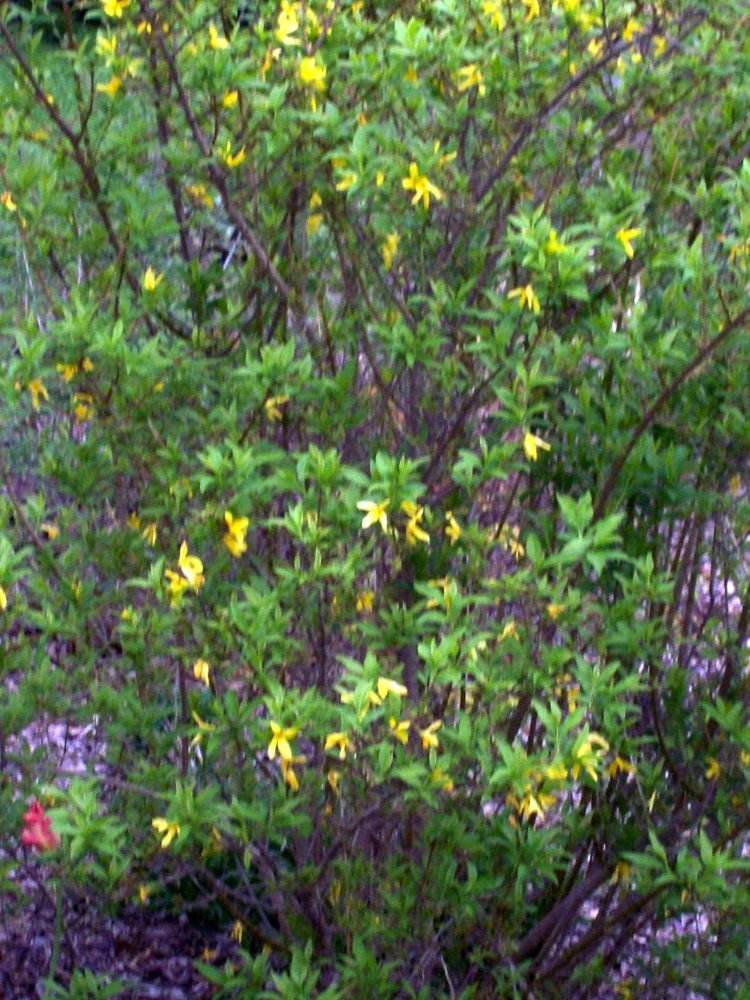
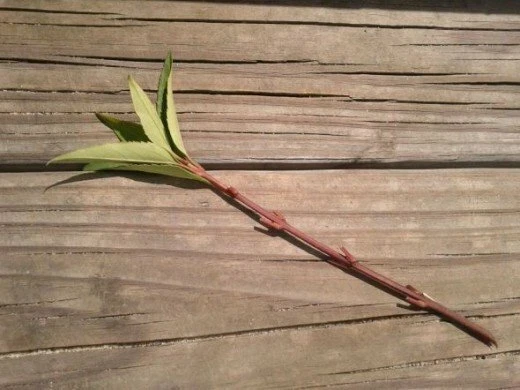
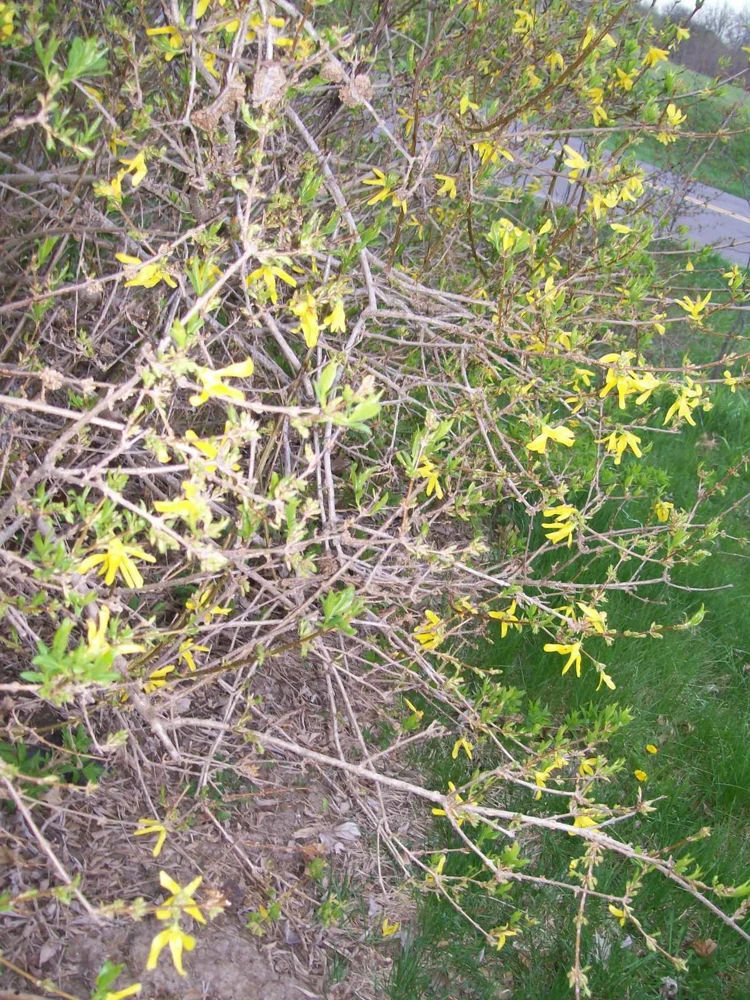
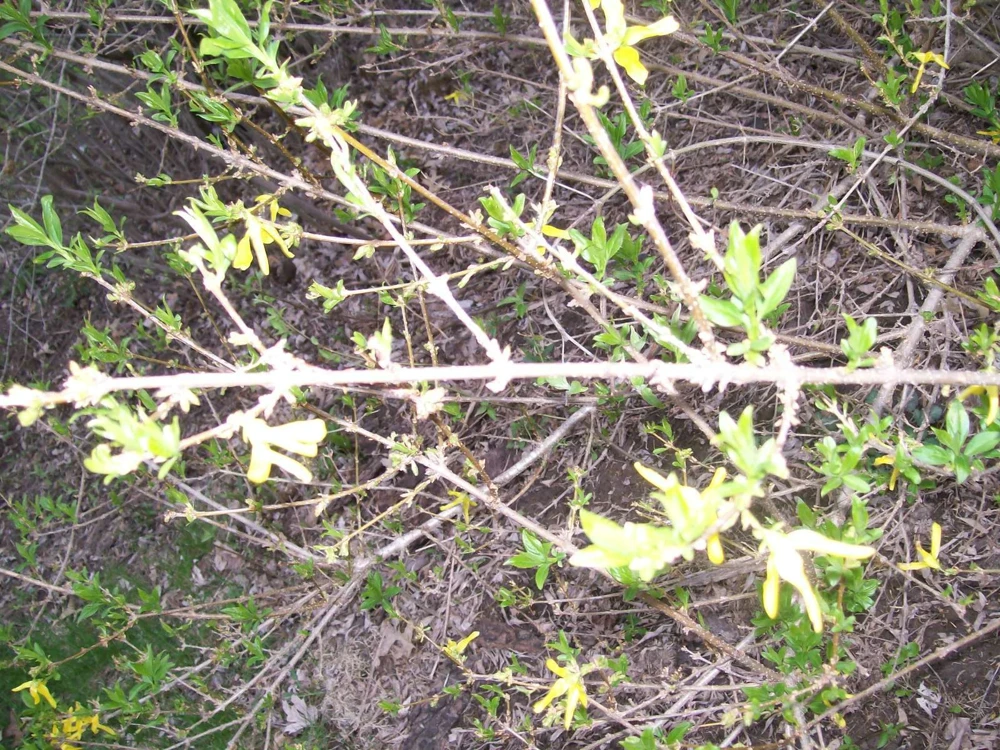
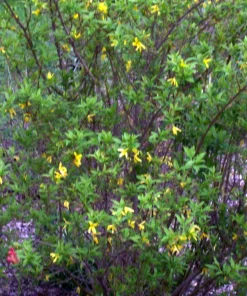
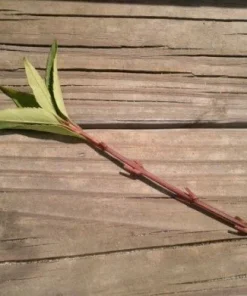
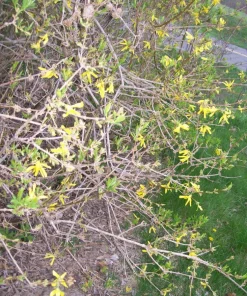
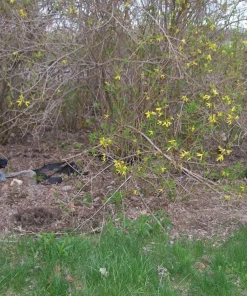
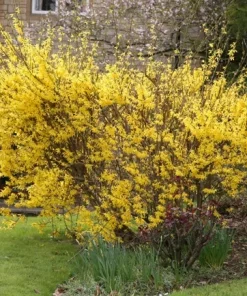
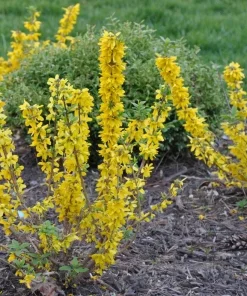
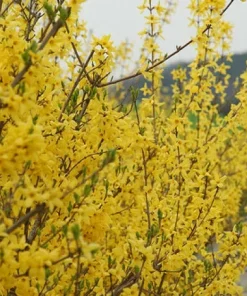
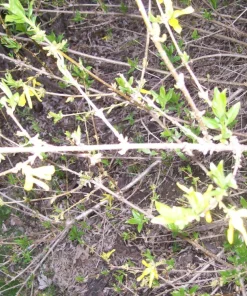
Forsythia Bush Cuttings – Set of 12 Unrooted Stems – 6-8 Inches Tall – Outdoor Shrub
Original price was: $33.39.$13.39Current price is: $13.39.
Start your own vibrant display of spring color with this set of forsythia bush cuttings. You will receive 12 unrooted stems, each measuring 6 to 8 inches, ready for propagation. These cuttings are ideal for creating new hedges, borders, or adding cheerful yellow blooms to your garden landscape.
Estimated arrival
Oct 15
Oct 20 - Oct 22
Oct 25 - Oct 29
Shop With Confidence
30-Day Plant Health Guarantee
Arrives damaged? We’ll replace it free — see our return policy.
Responsive Support
Email us anytime, we reply within 1 business day.
Expert Packaging
Temperature-controlled shipping to protect your plants in transit.
Secure Checkout
Pay safely with Visa, Mastercard, PayPal.
Plant Specifications
-
USDA Hardiness Zone
USDA Zones 5-8 -
Soil Type
Well-draining soil -
Sunlight Exposure
Full sun to partial shade -
Expected Planting Period
Year-round indoors for rooting, spring or fall for outdoor planting
Overview
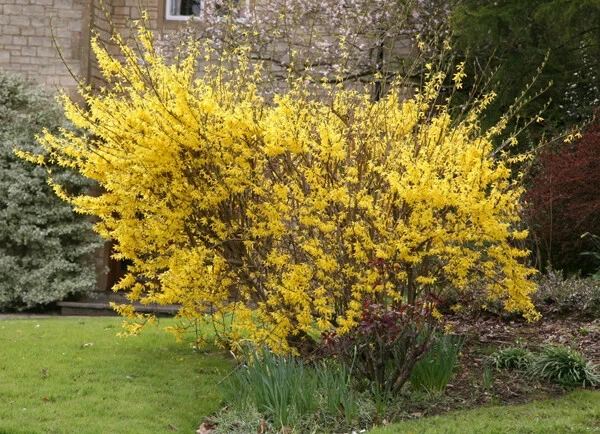
Transform your garden into a springtime spectacle with this generous set of forsythia bush cuttings. Each order includes 12 fresh, unrooted stems, perfectly sized at 6 to 8 inches, ready for you to propagate into thriving bushes. Forsythia, scientifically known as Forsythia intermedia, is renowned for its spectacular early spring bloom, showcasing a cascade of bright yellow flowers that herald the arrival of warmer weather. These cuttings offer an economical and rewarding way to expand your garden, create dense privacy hedges, or add cheerful splashes of color to any landscape design. Growing forsythia from cuttings is a straightforward process, making this an excellent project for both seasoned gardeners and enthusiastic beginners.
These deciduous shrubs are fast-growing and relatively low-maintenance, making them a popular choice for gardeners seeking impactful results with minimal effort. The unrooted nature means you will have the satisfaction of nurturing these stems from their initial stage into robust, flowering plants. Prepare to enjoy the brilliant display of golden-yellow flowers that emerge before the leaves, providing a stunning visual contrast against the late winter and early spring landscape. With proper care and attention, these forsythia bush cuttings will establish quickly, promising years of vibrant beauty.
Key Benefits
Choosing to propagate forsythia bush cuttings offers numerous advantages for your garden and gardening experience:
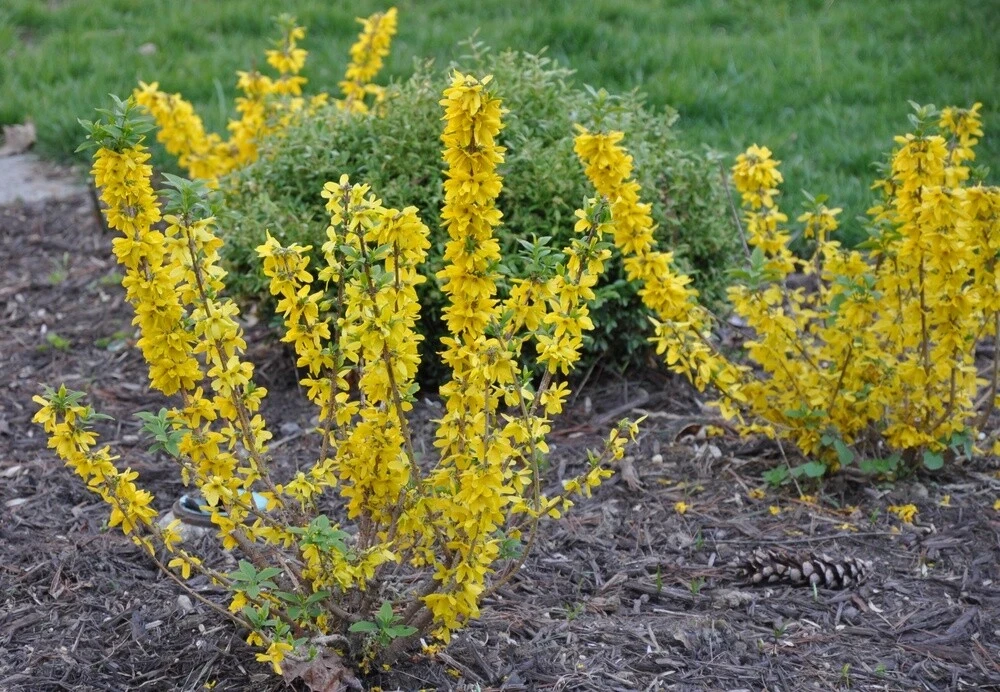
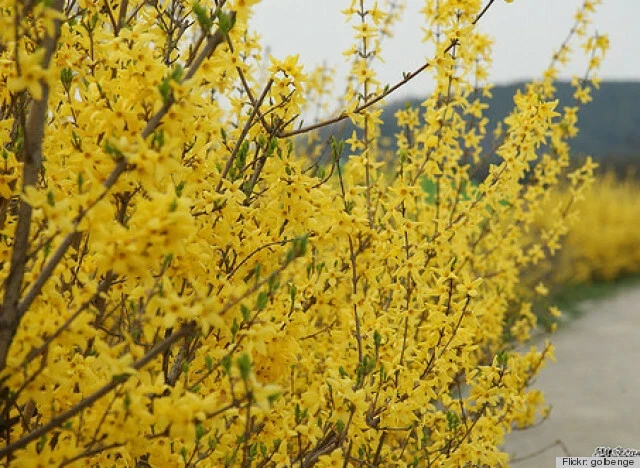
- Abundant Spring Blooms: Forsythia is one of the earliest shrubs to flower, providing a breathtaking display of bright yellow blossoms that signify the end of winter and the beginning of spring. These vibrant flowers create an immediate visual impact in any garden setting.
- Easy Propagation: These unrooted cuttings are specifically prepared for easy rooting, allowing even novice gardeners to successfully propagate new plants. The process is rewarding and provides a cost-effective way to acquire multiple plants.
- Fast Growth Rate: Forsythia is known for its vigorous growth, meaning your rooted cuttings will quickly develop into substantial shrubs, providing structure and color to your landscape in a relatively short period.
- Versatile Landscaping Use: Perfect for creating stunning hedges, establishing property borders, mass plantings, or as standalone specimen plants. The dense foliage later in the season provides excellent privacy and background greenery.
- Low Maintenance: Once established, forsythia bushes are incredibly hardy and require minimal care. They are tolerant of a wide range of soil conditions and are generally disease and pest-resistant, making them a gardener’s delight.
- Erosion Control: Due to their extensive root systems and dense growth, forsythia bushes are excellent for stabilizing soil on slopes and preventing erosion, adding a practical benefit to their aesthetic appeal.
- Wildlife Attraction: The early spring flowers can provide an important nectar source for early emerging pollinators, contributing to the biodiversity of your garden. You’ll love to watch your forsythia bush cuttings grow into a haven for beneficial insects.
Plant Care & Growing Tips
Successfully growing forsythia bush cuttings requires a few simple steps. Upon arrival, prepare your rooting medium. A mix of peat moss and perlite or sand is ideal for good drainage and aeration. Dip the cut end of each forsythia unrooted stem into rooting hormone (optional, but highly recommended for faster and more reliable results), then insert about 2-3 inches deep into the moist rooting medium. You can plant multiple cuttings in one container, ensuring they have enough space without touching.
For optimal growth, place your planted cuttings in a location that receives at least 6 hours of full sun per day. While forsythia can tolerate partial shade, abundant flowering is best achieved in sunny conditions. Keep the rooting medium consistently moist but not waterlogged. A humidity dome or plastic bag placed over the cuttings can help maintain high humidity, which is crucial for root development. Roots typically begin to form within 4-8 weeks. Once a strong root system has developed (you can gently tug on a cutting to check for resistance), they can be transplanted into larger pots or directly into your garden. Understanding how to grow forsythia from cuttings will empower you to create a stunning landscape.
Established forsythia plants are quite adaptable, thriving in most well-draining soils. They prefer a slightly acidic to neutral pH. Water regularly during dry spells, especially in their first year. Fertilize in early spring with a balanced slow-release fertilizer before new growth appears. Pruning is best done immediately after flowering to shape the bush and encourage more blooms the following year. Remove about one-third of the oldest stems down to the ground to promote vigorous new growth. This will ensure your forsythia plant care routine results in a healthy, floriferous shrub.
Size & Details
This product includes a set of 12 individual forsythia bush cuttings. Each cutting measures approximately 6 to 8 inches in length, providing ample material for successful propagation. These are unrooted stems, meaning they do not have an established root system upon arrival, allowing you to undertake the rewarding process of rooting them yourself. Forsythia is a fast-growing shrub, and once rooted, these cuttings can quickly develop into substantial plants. Expect a moderate to fast growth rate, with young plants reaching several feet in height within a few years. When mature, forsythia bushes typically grow to be 8-10 feet tall and wide, though they can be kept smaller with regular pruning. The mature size will depend on growing conditions and pruning practices. These cuttings are shipped fresh and ready for immediate planting and propagation.
Frequently Asked Questions
- Q: How big do these forsythia cuttings get when mature? A: Once rooted and established, these forsythia bush cuttings can grow into mature shrubs typically reaching 8-10 feet tall and wide. Their size can be managed with annual pruning after flowering.
- Q: What size pot should I use to root the cuttings? A: You can start multiple cuttings in a flat or a 6-inch pot. Once rooted, individual plants should be moved to 1-gallon pots before planting in the ground. This gives them space to develop a strong root system.
- Q: Is this an indoor or outdoor plant? A: Forsythia is primarily an outdoor shrub. While you will root the cuttings indoors or in a sheltered spot, the mature plants are meant for outdoor landscapes. They are hardy and thrive in garden settings.
- Q: How much sunlight does a forsythia bush need? A: For the best flowering performance and strong growth, forsythia requires at least 6 hours of direct sunlight per day. It can tolerate partial shade, but blooming may be less prolific.
- Q: Is this plant easy to care for? A: Yes, forsythia is considered a very easy-to-care-for shrub, especially once established. The initial rooting phase requires consistent moisture and warmth, but mature plants are quite resilient, making forsythia plant care straightforward.
- Q: What condition will the unrooted forsythia cuttings arrive in? A: Your forsythia unrooted stems will arrive fresh and ready for planting. They will be carefully packaged to ensure they remain viable during transit, though they will not have roots or leaves.
- Q: When is the best time to plant these forsythia cuttings outdoors? A: Once your cuttings have successfully rooted and have developed a strong enough root ball, they can be transplanted outdoors in spring or early fall. This allows them sufficient time to establish before extreme weather.
- Q: Will forsythia survive winter in my zone? A: Forsythia is very cold hardy and typically thrives in USDA Hardiness Zones 5-8, and sometimes even 4. They are well-adapted to surviving cold winters and will reliably return each spring.
- Q: What is the best way to ensure successful forsythia propagation? A: The best way to ensure success is to use a good rooting hormone, provide consistent moisture to the rooting medium, maintain high humidity, and place the cuttings in a warm location with bright, indirect light until roots form.
- Q: Can I grow forsythia from cuttings if I am a beginner gardener? A: Absolutely! Growing forsythia from cuttings is one of the easier propagation methods for shrubs. With a little patience and adherence to basic care instructions, beginners can achieve great success.
Be the first to review “Forsythia Bush Cuttings – Set of 12 Unrooted Stems – 6-8 Inches Tall – Outdoor Shrub”
People Also Viewed
Flower Seeds
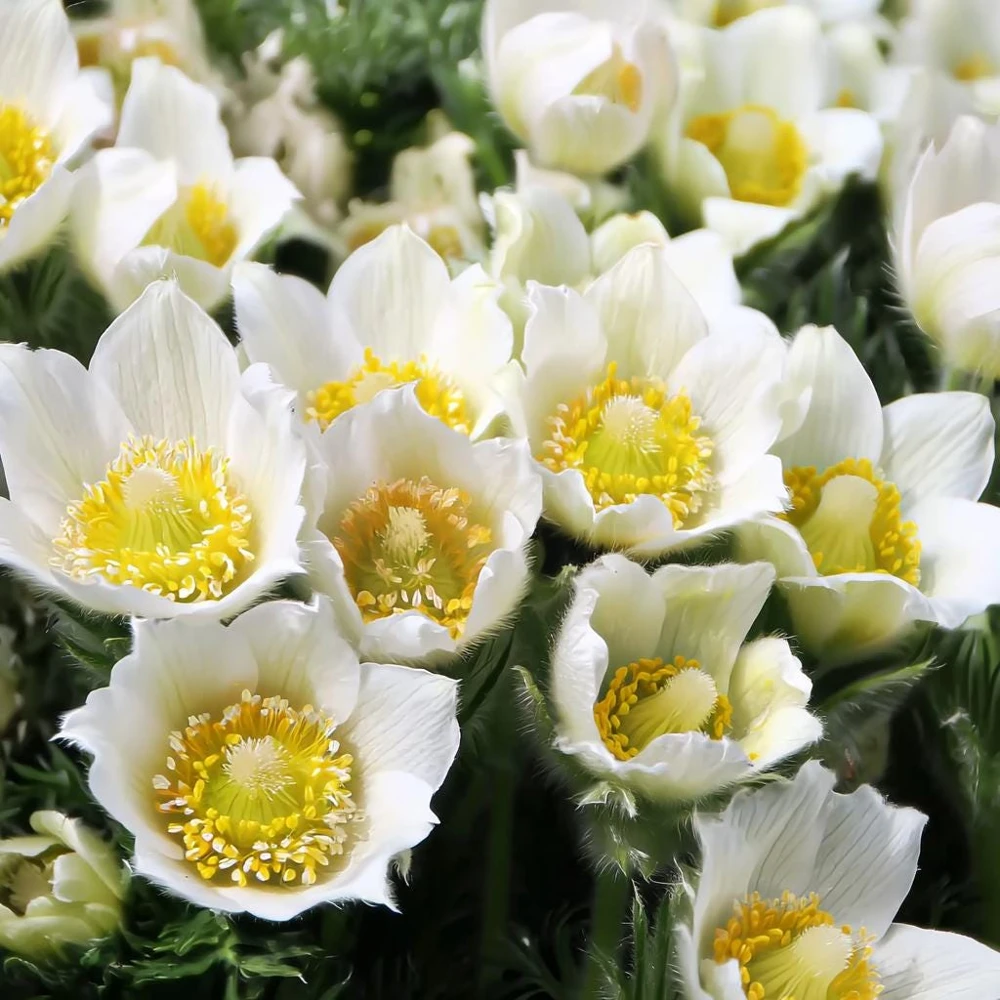
Pasque Flower Seeds – 20 Count Heirloom Anemone patens wolfgangiana for Gardens & Pollinators
Houseplants
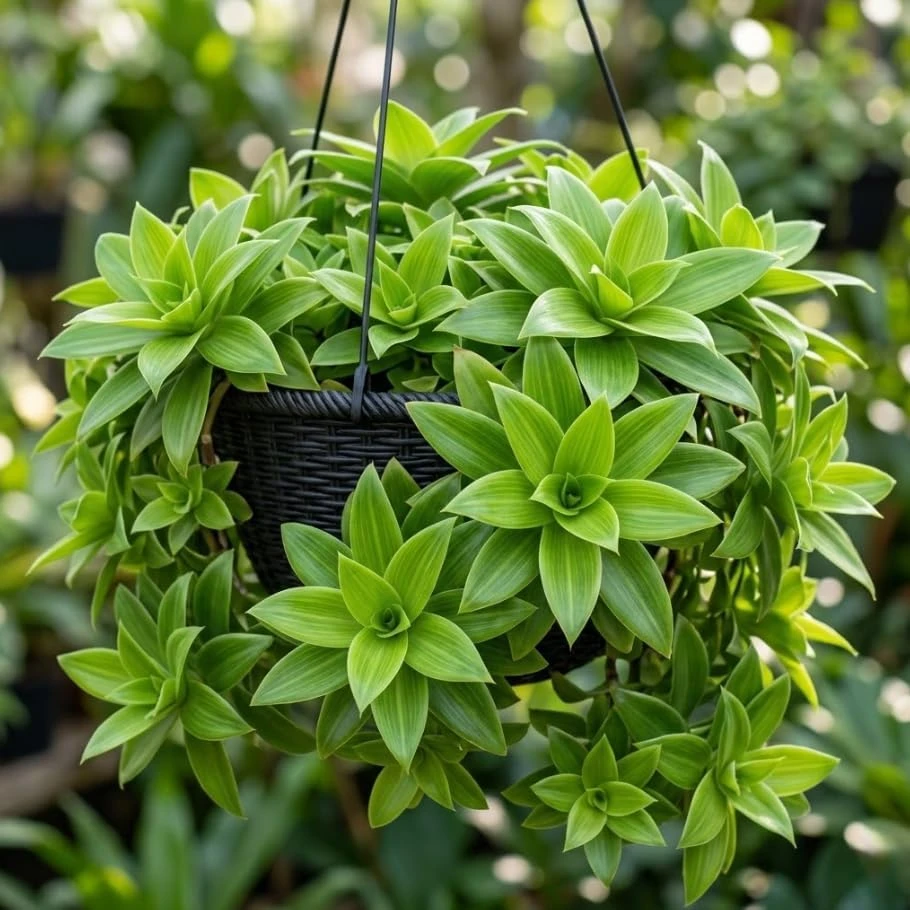
Callisia Fragrans Live Plant – Basket Chain Plant 4-7 inch Tall – Perennial Indoor/Outdoor

Reviews
There are no reviews yet.