
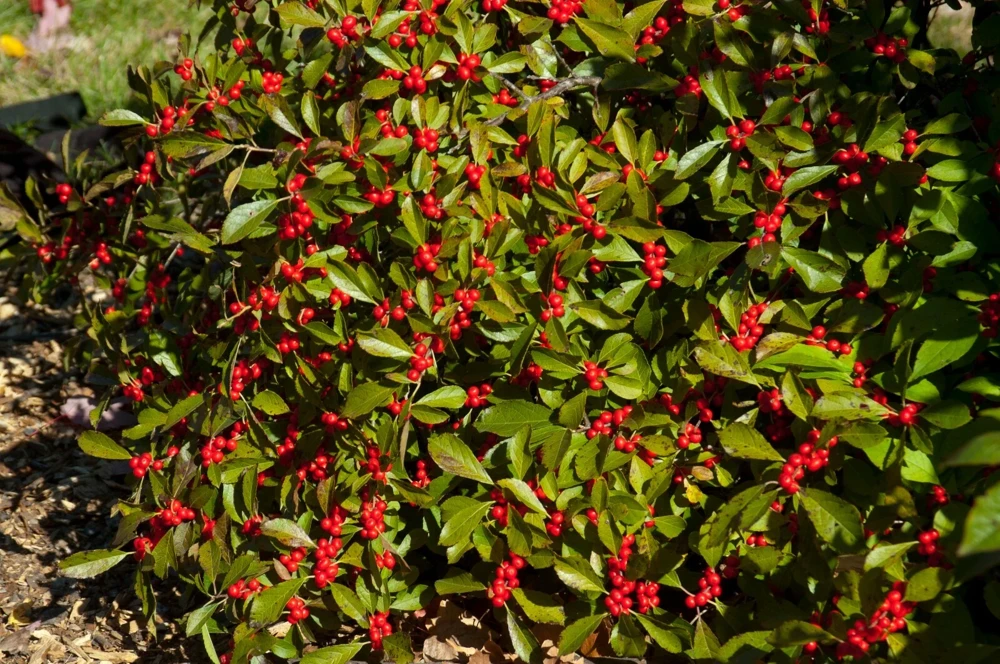
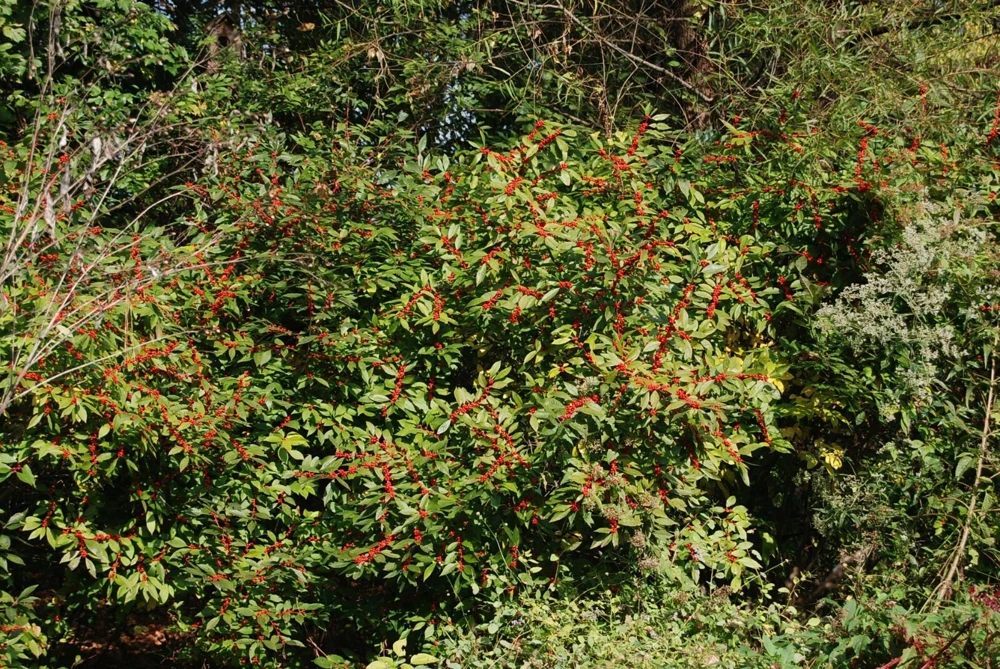
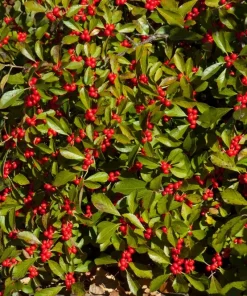
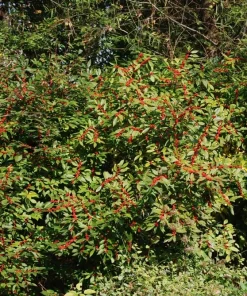
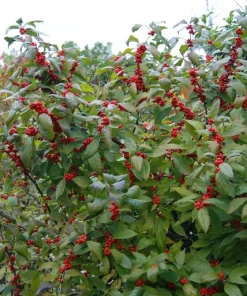
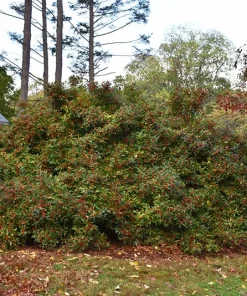
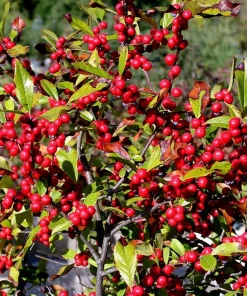
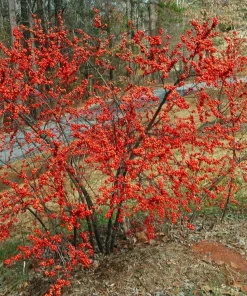
Dwarf Winterberry Holly Nana Red Sprite Live Plant 12-16+ Inches Tall
Original price was: $83.79.$63.79Current price is: $63.79.
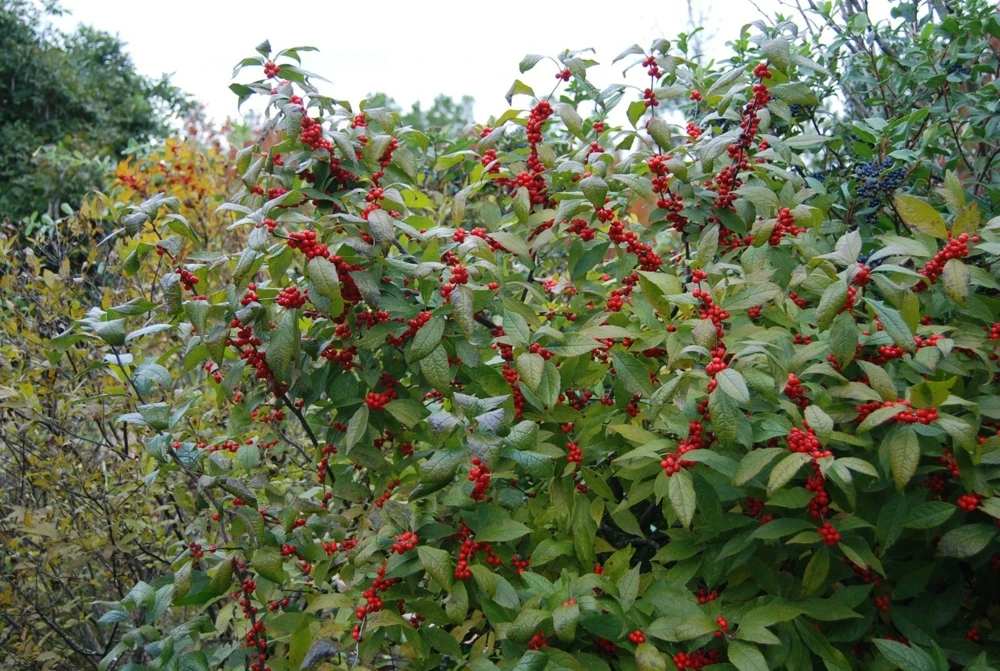
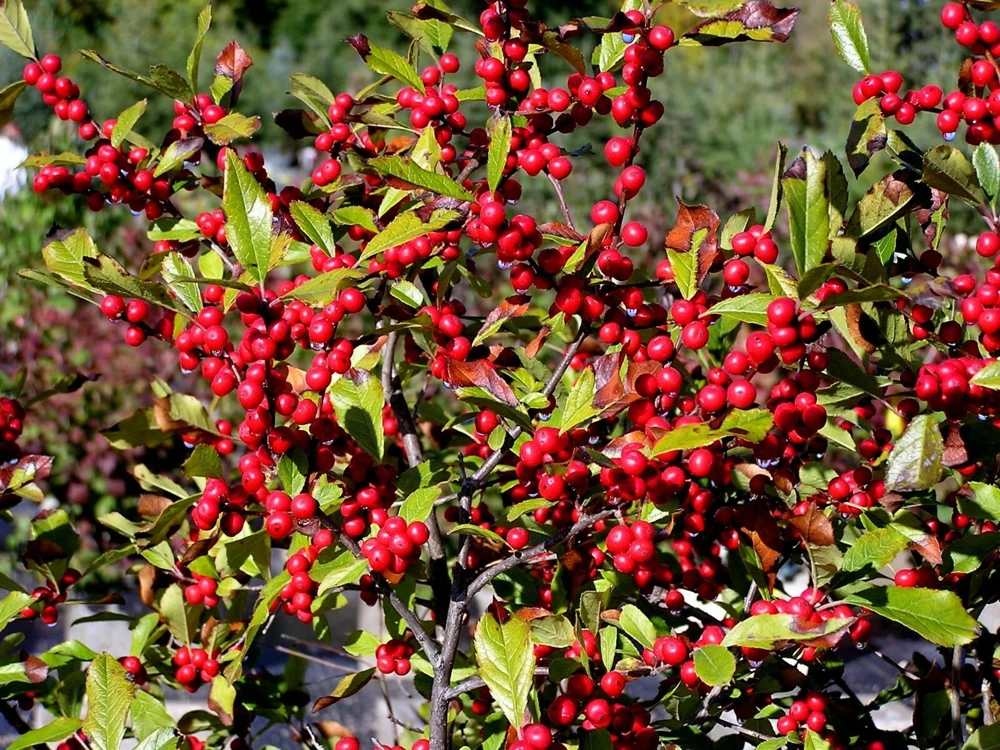
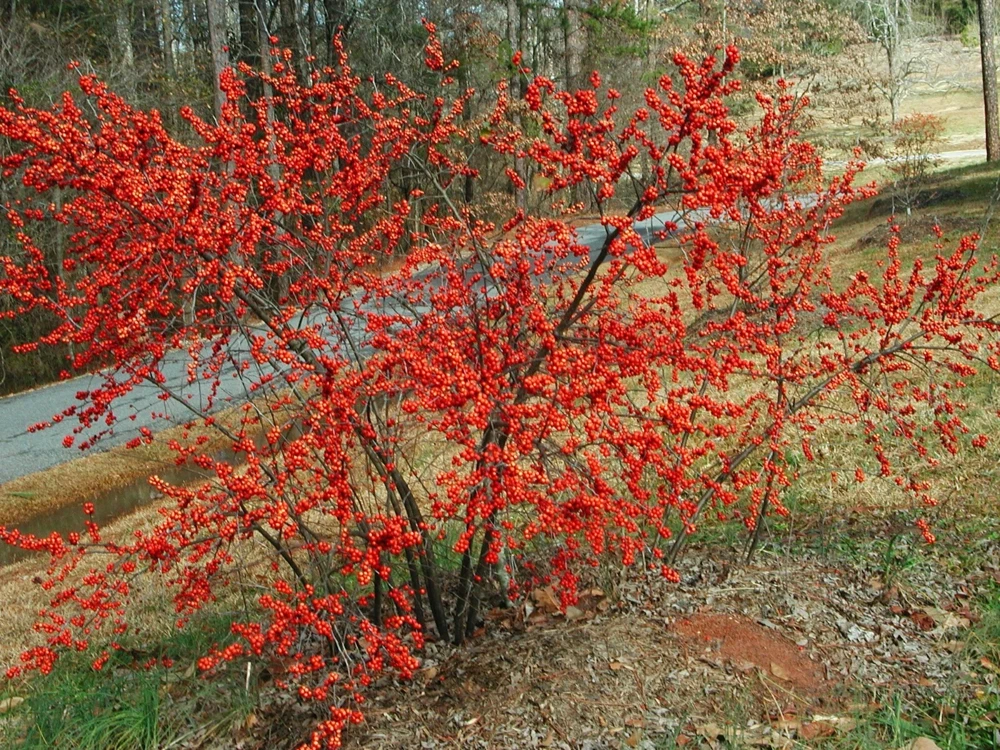
Add vibrant winter color to your garden with the dwarf winterberry holly Nana Red Sprite. This compact deciduous shrub produces abundant bright red berries that persist long after the leaves fall, offering stunning visual interest. Perfect for smaller landscapes or as a focal point.
Estimated arrival
Oct 15
Oct 20 - Oct 22
Oct 25 - Oct 29
Shop With Confidence
30-Day Plant Health Guarantee
Arrives damaged? We’ll replace it free — see our return policy.
Responsive Support
Email us anytime, we reply within 1 business day.
Expert Packaging
Temperature-controlled shipping to protect your plants in transit.
Secure Checkout
Pay safely with Visa, Mastercard, PayPal.
Plant Specifications
-
USDA Hardiness Zone
USDA Zones 3-9 -
Soil Type
Moist, acidic, well-draining soil -
Sunlight Exposure
Full sun to partial shade -
Expected Planting Period
Spring to Fall
Overview
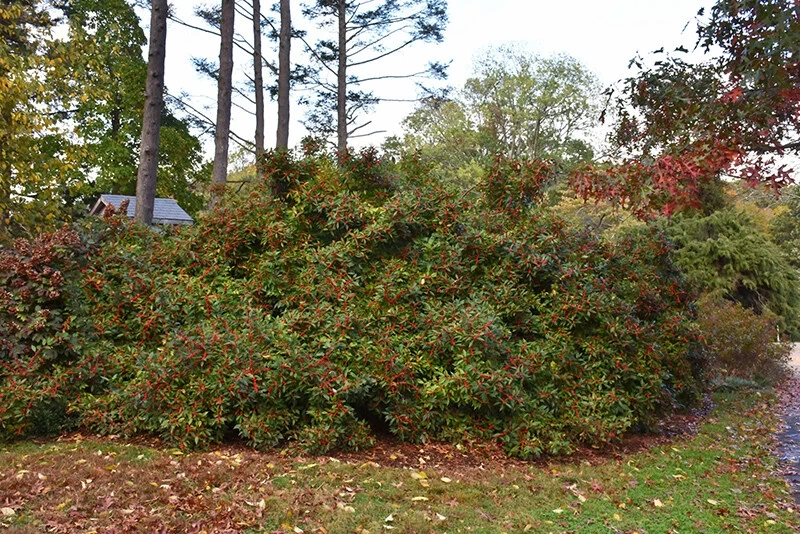
The dwarf winterberry holly, specifically the ‘Nana Red Sprite’ cultivar, is a truly remarkable deciduous shrub renowned for its spectacular winter display. Unlike evergreen hollies, this variety sheds its leaves in autumn, revealing a profusion of brilliant red berries that cling to its bare branches throughout the colder months. This makes it an invaluable addition to any landscape seeking vibrant color when most other plants are dormant. The ‘Nana Red Sprite’ is a compact grower, typically reaching a mature height and spread of 3-5 feet, making it an excellent choice for smaller gardens, foundation plantings, or mass plantings. Its scientific name is Ilex verticillata ‘Nana Red Sprite’. For successful berry production, a male pollinator such as ‘Jim Dandy’ or ‘Southern Gentleman’ is required, usually within 50 feet. This winterberry holly plant arrives as a live plant, ready for planting.
This particular offering provides a robust nana red sprite holly live plant, measuring 12-16+ inches in height. It’s a fantastic way to introduce a splash of festive color and provide sustenance for birds in your winter garden. The compact nature of this ilex verticillata red sprite makes it versatile, fitting into various garden designs from formal to naturalized settings. Its cold hardiness ensures it thrives in many regions, bringing joy year after year.
Key Benefits
The dwarf winterberry holly ‘Nana Red Sprite’ offers numerous advantages for the home gardener, transforming winter landscapes with its unique charm and ecological benefits. This compact shrub delivers an exceptional visual impact with minimal effort, making it a highly desirable plant.
- Stunning Winter Interest: After its leaves drop in fall, the ‘Nana Red Sprite’ reveals a breathtaking display of bright red berries that persist through winter, providing crucial color when the garden is otherwise barren. These berries are a true highlight of the colder months.
- Wildlife Attraction: The abundant red berries serve as a vital food source for various bird species throughout the winter, helping to support local ecosystems and bringing lively activity to your garden. It’s a beautiful way to connect with nature.
- Compact Growth Habit: Growing to a manageable size of 3-5 feet tall and wide, this nana red sprite holly is ideal for smaller gardens, urban landscapes, foundation plantings, or even container gardening, where space is a consideration.
- Low Maintenance: Once established, winterberry holly is relatively easy to care for, requiring minimal pruning and being tolerant of a range of soil conditions, as long as they are consistently moist.
- Versatile Landscape Use: Its compact size and vibrant winter berries make it suitable for a variety of landscape applications, including hedges, mixed borders, mass plantings, or as a specimen plant in a prominent location.
- Excellent Cut Stems: The berry-laden branches of the ilex verticillata red sprite are highly prized for floral arrangements and holiday decorations, bringing the beauty of your garden indoors.
- Disease and Pest Resistant: Generally, winterberry holly is quite resilient to most common plant diseases and pests, ensuring a healthier and more robust plant with less intervention.
Plant Care & Growing Tips
Caring for your dwarf winterberry holly ‘Nana Red Sprite’ is straightforward, ensuring a rewarding display of winter berries. This deciduous shrub thrives with specific conditions that mimic its natural habitat. For optimal berry production, remember that a male pollinator (such as ‘Jim Dandy’ or ‘Southern Gentleman’) is essential and should be planted within 50 feet.
When it comes to sunlight, the ‘Nana Red Sprite’ performs best in full sun to partial shade. Full sun (at least 6 hours of direct sunlight per day) will generally result in the most prolific berry set. While it can tolerate some shade, too much will reduce flowering and subsequent fruiting. This red berry shrub prefers consistently moist, acidic soil. It is adaptable to a variety of soil types, including clay, as long as drainage is adequate. However, it will not tolerate dry conditions. Regular watering, especially during dry spells, is crucial for young plants to establish a strong root system. Mature plants also benefit from consistent moisture, particularly in warmer climates.
This winterberry holly plant is cold-hardy, typically thriving in USDA Zones 3-9. It is quite tolerant of cold temperatures once established. Fertilize in early spring with a balanced, slow-release granular fertilizer formulated for acid-loving plants. Avoid over-fertilizing, which can promote excessive foliage growth at the expense of berry production. Pruning is best done in late winter or early spring before new growth emerges. Remove any dead, damaged, or crossing branches. You can also prune to maintain its compact shape or to rejuvenate older plants by cutting back a third of the oldest stems to the ground. Watch for common pests like scale insects or leaf miners, though they are rarely a serious problem. Good air circulation and proper watering can help prevent fungal issues.
Size & Details
This offering is for a vibrant dwarf winterberry holly ‘Nana Red Sprite’ live plant, measuring an impressive 12-16+ inches in height. This size provides a well-established plant ready to thrive in your garden. The ‘Nana Red Sprite’ is known for its compact nature, typically reaching a mature height and spread of 3 to 5 feet, making it an excellent choice for various landscape applications where a smaller, yet impactful, plant is desired. Its moderate growth rate means it will fill out nicely within a few years, providing beautiful winter interest.
The plant will arrive as a live specimen, carefully packaged to ensure its health during transit. While it may not be in bloom or berry when shipped, it is a healthy plant with an established root system. Expect berries to form in the fall following successful pollination, and a stunning winter display in subsequent years. This particular nana red sprite holly is selected for its robust growth and potential for abundant fruiting, provided it has a suitable male pollinator nearby. Its deciduous nature means leaves will drop in autumn, highlighting the vibrant red berries.
Frequently Asked Questions
- Q: How tall will the dwarf winterberry holly ‘Nana Red Sprite’ grow? A: The dwarf winterberry holly ‘Nana Red Sprite’ typically reaches a mature height of 3 to 5 feet and a similar spread, making it a compact and manageable shrub for most gardens. Its controlled size is one of its most appealing features.
- Q: Does this winterberry holly need a male pollinator to produce berries? A: Yes, for the ‘Nana Red Sprite’ to produce its characteristic bright red berries, a male winterberry holly pollinator, such as ‘Jim Dandy’ or ‘Southern Gentleman’, must be planted nearby, ideally within 50 feet. Without a male plant, it will not fruit.
- Q: What kind of soil does the ilex verticillata red sprite prefer? A: This ilex verticillata red sprite thrives in consistently moist, acidic soil. It can tolerate a range of soil types, including clay, as long as they are well-draining. Avoid dry conditions for best performance and berry production.
- Q: Is the red berry shrub suitable for container planting? A: Due to its compact size, the red berry shrub ‘Nana Red Sprite’ can be successfully grown in large containers, provided it receives adequate moisture and a suitable pollinator is close by. Ensure the container has good drainage.
- Q: When is the best time to plant this winterberry holly plant? A: The best time to plant your winterberry holly plant is in spring or fall when temperatures are moderate. This allows the plant to establish its root system before extreme heat or cold.
- Q: What USDA Hardiness Zones is this dwarf winterberry holly suitable for? A: The dwarf winterberry holly ‘Nana Red Sprite’ is cold-hardy and well-suited for USDA Zones 3 through 9, making it adaptable to a wide range of climates across the United States.
- Q: How much sun does the nana red sprite holly require? A: For the most abundant berry production, the nana red sprite holly prefers full sun, meaning at least 6 hours of direct sunlight daily. It can tolerate partial shade, but fruiting may be less prolific.
- Q: Are the berries on the winterberry holly edible for humans? A: No, the berries of the winterberry holly are generally considered toxic to humans if ingested. They are, however, an important food source for birds and provide beautiful ornamental value.
- Q: How often should I water my newly planted winterberry holly? A: Newly planted winterberry hollies require consistent moisture. Water deeply 2-3 times a week during the first growing season, especially during dry periods, to help establish a strong root system.
- Q: When do the berries appear on the dwarf winterberry holly? A: The berries form in late summer and early fall, turning bright red after the leaves drop in autumn. They typically persist throughout the winter, often until early spring, providing long-lasting color.
Be the first to review “Dwarf Winterberry Holly Nana Red Sprite Live Plant 12-16+ Inches Tall”
People Also Viewed
Uncategorized
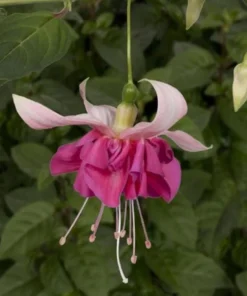
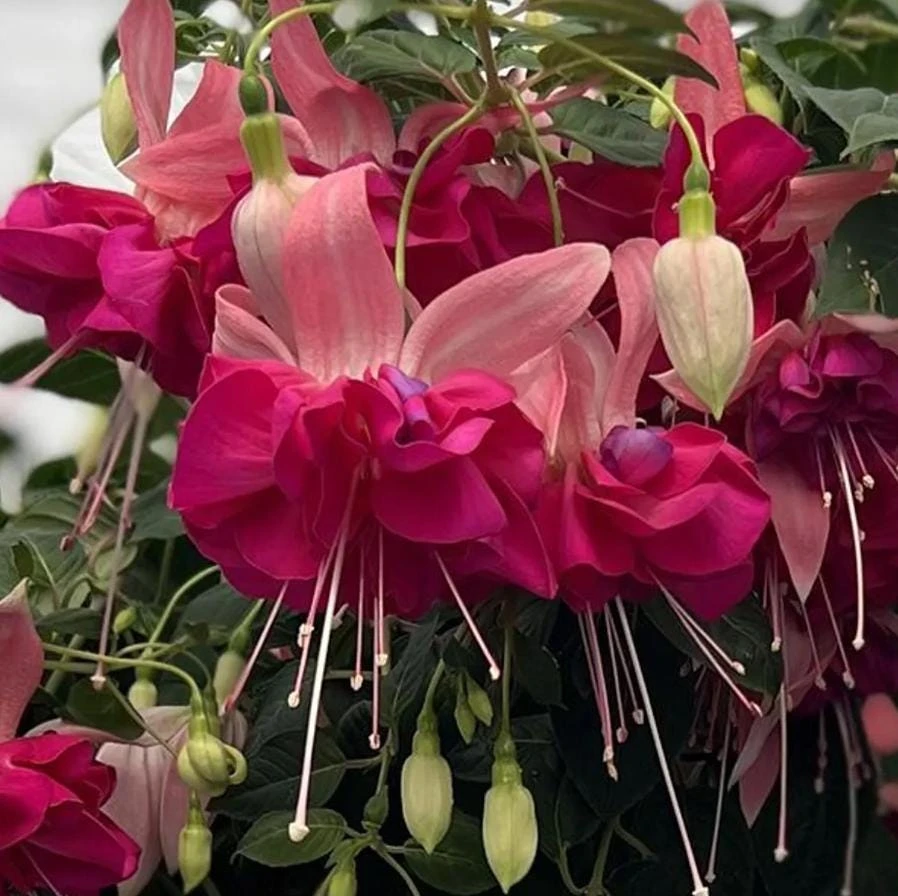
Live Bella Rosella Fuchsia Plant – Medium – 5″ Pot – Shade-Loving Pink Flowering Ornamental Plant

Shrubs
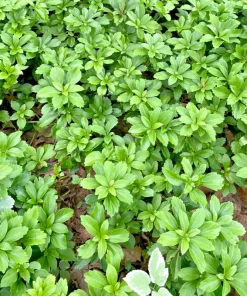
Japanese Spurge – Pachysandra Terminalis Live Plant – Bare Root Groundcover – Outdoor – 0-1ft

Fruits
Set of 2 Apricot Trees Live Plant, 1-2 Ft Tall Bare Root Gold-Red Fruit Trees for Outdoor Gardens
Reviews
There are no reviews yet.