
Serviceberry ‘Amelanchier arborea’ Live Plant – 16 to 24 Inches Tall – Outdoor Tree
Original price was: $64.89.$44.89Current price is: $44.89.
Bring natural beauty to your landscape with this Serviceberry ‘Amelanchier arborea’ live plant. Standing 16 to 24 inches tall, this deciduous tree offers attractive white blooms in spring, edible berries in summer, and vibrant fall foliage, making it a versatile and charming addition to any garden.
Estimated arrival
Oct 15
Oct 20 - Oct 22
Oct 25 - Oct 29
Shop With Confidence
30-Day Plant Health Guarantee
Arrives damaged? We’ll replace it free — see our return policy.
Responsive Support
Email us anytime, we reply within 1 business day.
Expert Packaging
Temperature-controlled shipping to protect your plants in transit.
Secure Checkout
Pay safely with Visa, Mastercard, PayPal.
Plant Specifications
-
USDA Hardiness Zone
USDA Zones 4-9 -
Soil Type
Well-draining, moist soil -
Sunlight Exposure
Full sun to partial shade -
Expected Planting Period
Spring or Fall
Overview
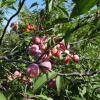
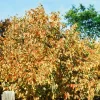
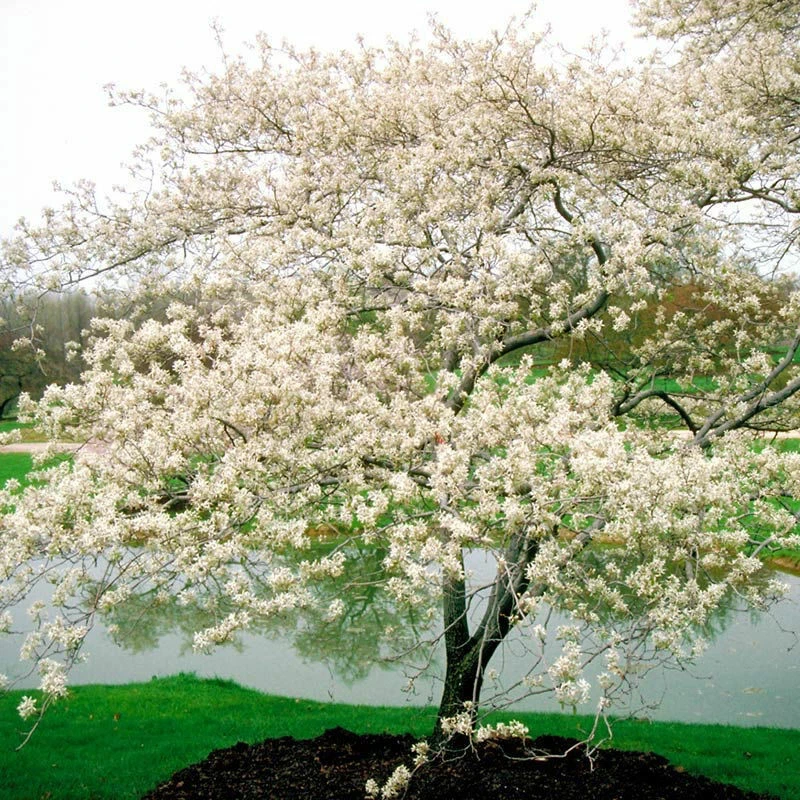
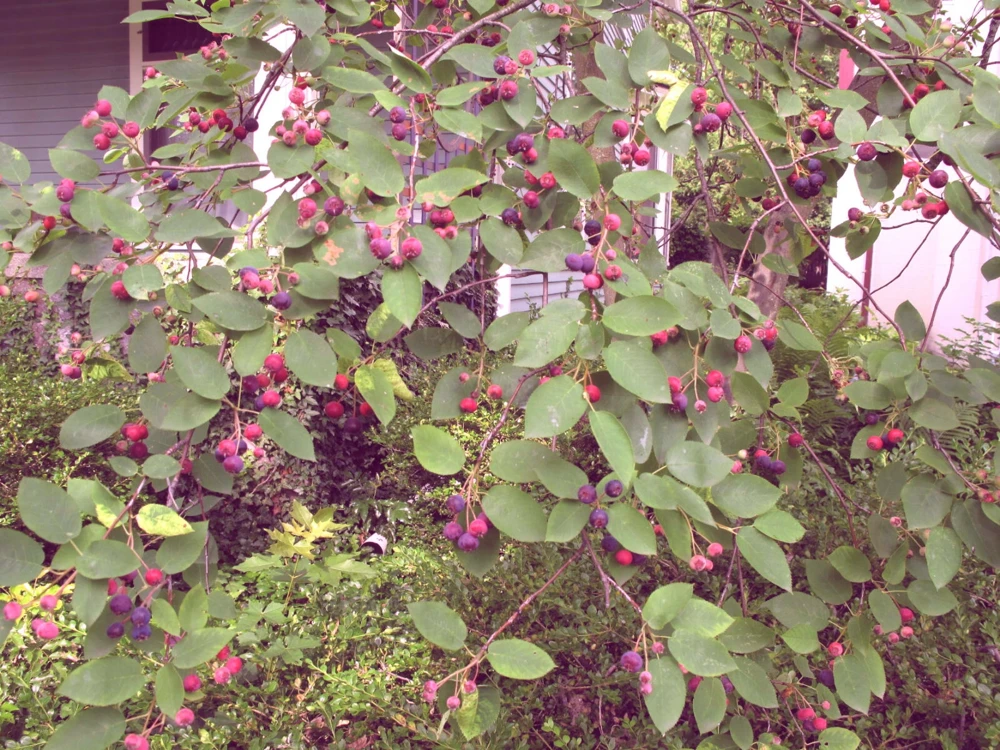
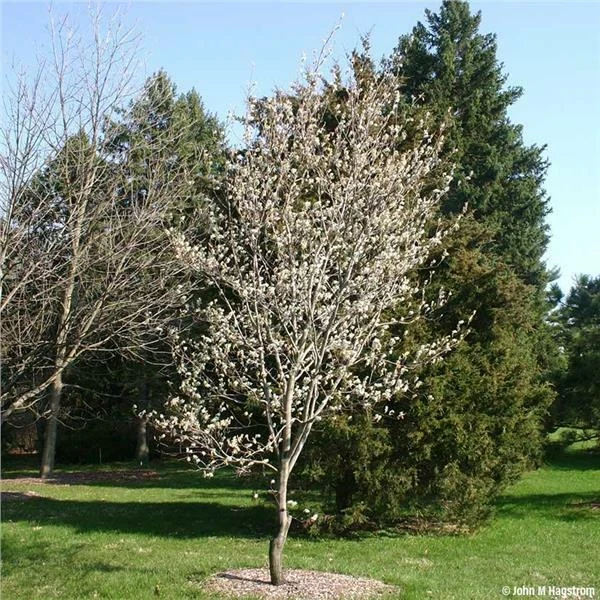
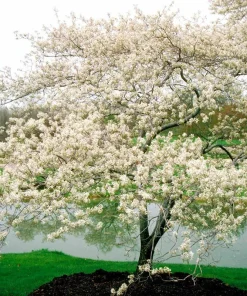
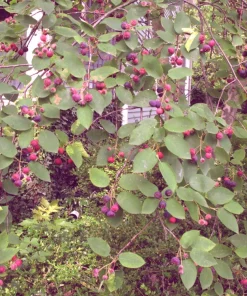
Introduce a touch of natural elegance to your outdoor space with the Serviceberry ‘Amelanchier arborea’ live plant. Also known as Downy Serviceberry or Juneberry, this delightful deciduous tree is celebrated for its multi-seasonal appeal. In early spring, before its leaves fully emerge, it bursts forth with delicate clusters of white, star-shaped flowers, creating a soft, ethereal display. These beautiful blooms are quickly followed by small, edible, purplish-red berries in early summer, which are a favorite food source for birds and can also be enjoyed by humans fresh or in pies and jams. As autumn arrives, the foliage transforms into a breathtaking spectrum of orange, red, and gold, providing a stunning visual anchor in any garden. This Amelanchier arborea tree is a fantastic choice for those seeking a plant that offers continuous interest throughout the year.
The Serviceberry ‘Amelanchier arborea’ live plant typically reaches a height of 16 to 24 inches when shipped, making it an ideal starter plant for establishing a new tree in your landscape. It is known for its graceful, upright habit and relatively fast growth rate, eventually maturing into a beautiful specimen tree. Its adaptability to various soil types and light conditions, combined with its resistance to many common pests and diseases, makes it a resilient and rewarding choice for gardeners of all experience levels. Whether you’re looking to attract wildlife, add ornamental value, or enjoy its sweet fruits, this Serviceberry tree for sale is an excellent investment for your garden.
Key Benefits
The Serviceberry ‘Amelanchier arborea’ live plant offers a multitude of benefits, making it a highly desirable addition to any landscape. Its year-round appeal and ecological value are just a few reasons why gardeners choose this remarkable tree.
- Multi-Seasonal Interest: Enjoy a dynamic display throughout the year. The tree showcases delicate white flowers in spring, sweet edible berries in early summer, and brilliant red-orange fall foliage, providing continuous visual appeal.
- Wildlife Attraction: The sweet, purplish-red berries are a significant food source for various bird species and other wildlife, helping to create a vibrant and biodiverse garden ecosystem.
- Edible Fruits: The berries, often called Juneberries, are delicious and can be eaten fresh, baked into pies, made into jams, or used in other culinary creations, offering a homegrown treat.
- Adaptable and Hardy: This Amelanchier arborea tree is known for its robust nature, tolerating a range of soil types and environmental conditions, making it suitable for many different climates and garden settings.
- Low Maintenance: Once established, the Downy Serviceberry requires minimal care, making it an excellent choice for busy gardeners or those new to tree planting. It’s relatively disease and pest resistant.
- Attractive Form: With its graceful, often multi-stemmed habit, the Serviceberry ‘Amelanchier arborea’ live plant provides an elegant and naturalistic structure in the landscape, whether as a specimen tree or part of a mixed border.
- Native Charm: As a native North American species, it blends seamlessly into local ecosystems and supports regional wildlife, contributing to sustainable gardening practices.
Plant Care & Growing Tips
To ensure your Serviceberry ‘Amelanchier arborea’ live plant thrives, understanding its basic care requirements is essential. This resilient tree is relatively easy to care for, making it a rewarding choice for both novice and experienced gardeners. Proper planting and ongoing maintenance will help it establish strong roots and flourish in your landscape.
Sunlight Requirements: The Downy Serviceberry prefers full sun to partial shade. For optimal flowering and berry production, aim for at least 6 hours of direct sunlight per day. While it can tolerate some shade, too much shade may result in fewer flowers and fruits, and less vibrant fall color. When planting Serviceberry, consider a location that receives morning sun and some afternoon shade in hotter climates to prevent leaf scorch.
Watering and Soil: This tree thrives in well-draining, moist soil. It can adapt to a variety of soil types, including sandy, loamy, and clay soils, as long as drainage is adequate. Avoid overly soggy conditions, as this can lead to root rot. Water regularly during the first growing season to help establish a strong root system. Once established, it is fairly drought-tolerant but will benefit from supplemental watering during prolonged dry spells. A layer of mulch around the base of the tree can help retain soil moisture and regulate soil temperature.
Temperature and Hardiness: The Amelanchier arborea tree is remarkably hardy, typically thriving in USDA zones 4 through 9. It is tolerant of both cold winters and warm summers. Fertilization is generally not necessary if your soil is reasonably fertile. If growth appears slow or leaves are pale, a balanced, slow-release fertilizer can be applied in early spring. Pruning is best done in late winter or early spring while the tree is dormant. Remove any dead, damaged, or crossing branches to maintain its shape and promote healthy growth. When growing Serviceberry, watch out for common issues like rust or powdery mildew, though it’s generally quite resistant.
Size & Details
This offering is for a Serviceberry ‘Amelanchier arborea’ live plant, typically measuring between 16 to 24 inches in height upon arrival. These young trees are 2 to 3 years old, ensuring they have a well-developed root system ready for transplanting into your garden. The plant is shipped as a live specimen, carefully packaged to ensure its health and vitality during transit. With proper care, this tree has a moderate to fast growth rate, adding significant height each year.
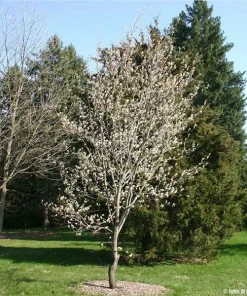
At maturity, the Downy Serviceberry can reach heights of 15 to 25 feet with a spread of 10 to 15 feet, forming an attractive, vase-shaped or rounded canopy. Its mature size makes it suitable for various landscape uses, including as a specimen tree, part of a mixed border, or even as a small shade tree. Expect to see its first blooms and berries within a few years of planting, providing a delightful progression of seasonal beauty.
Frequently Asked Questions
- Q: How big does this plant get? A: This Serviceberry ‘Amelanchier arborea’ live plant typically arrives 16 to 24 inches tall. At maturity, it can reach a height of 15 to 25 feet with a spread of 10 to 15 feet, forming a lovely small tree.
- Q: Is this an indoor or outdoor plant? A: The Amelanchier arborea tree is an outdoor deciduous tree, best suited for planting directly in the ground in your garden or landscape. It requires outdoor conditions to thrive.
- Q: How much sunlight does it need? A: It prefers full sun to partial shade, meaning it needs at least 6 hours of direct sunlight per day for the best flowering and fruiting.
- Q: Is this plant easy to care for? A: Yes, the Serviceberry tree for sale is considered low-maintenance once established. It’s adaptable to various conditions and relatively resistant to pests and diseases, making it suitable for beginners.
- Q: What condition will it arrive in? A: Your Serviceberry ‘Amelanchier arborea’ live plant will arrive as a healthy, live plant, carefully packaged to protect it during shipping. It will be ready for immediate planting.
- Q: When is the best time to plant? A: The best time for planting Serviceberry is in early spring or fall when temperatures are moderate. This allows the tree to establish its root system before extreme weather.
- Q: Can I eat the berries from this tree? A: Yes, the berries (often called Juneberries) are edible and quite delicious! They can be enjoyed fresh or used in various recipes like pies, jams, and jellies.
- Q: Will it survive winter in my zone? A: This tree is very hardy and typically thrives in USDA Zones 4-9, making it suitable for a wide range of climates across the United States.
- Q: What’s the minimum temperature this tree can tolerate? A: The Amelanchier arborea tree is cold-hardy and can withstand winter temperatures down to approximately -20 to -30 degrees Fahrenheit, depending on the specific zone.
- Q: How long until it blooms and produces fruit? A: While this plant is 2-3 years old, it typically takes a few more years after planting for it to become well-established and begin producing a significant number of blooms and berries.
Be the first to review “Serviceberry ‘Amelanchier arborea’ Live Plant – 16 to 24 Inches Tall – Outdoor Tree”
People Also Viewed
Succulents
Pickle Plant Live Succulent – Delosperma echinatum – 2in & 4in Pot Sizes – Indoor/Outdoor
Reviews
There are no reviews yet.